
























Study finds chemical pollution and climate warming harming Arctic ringed seals at molecular level
By
Tanya Brown
Summary
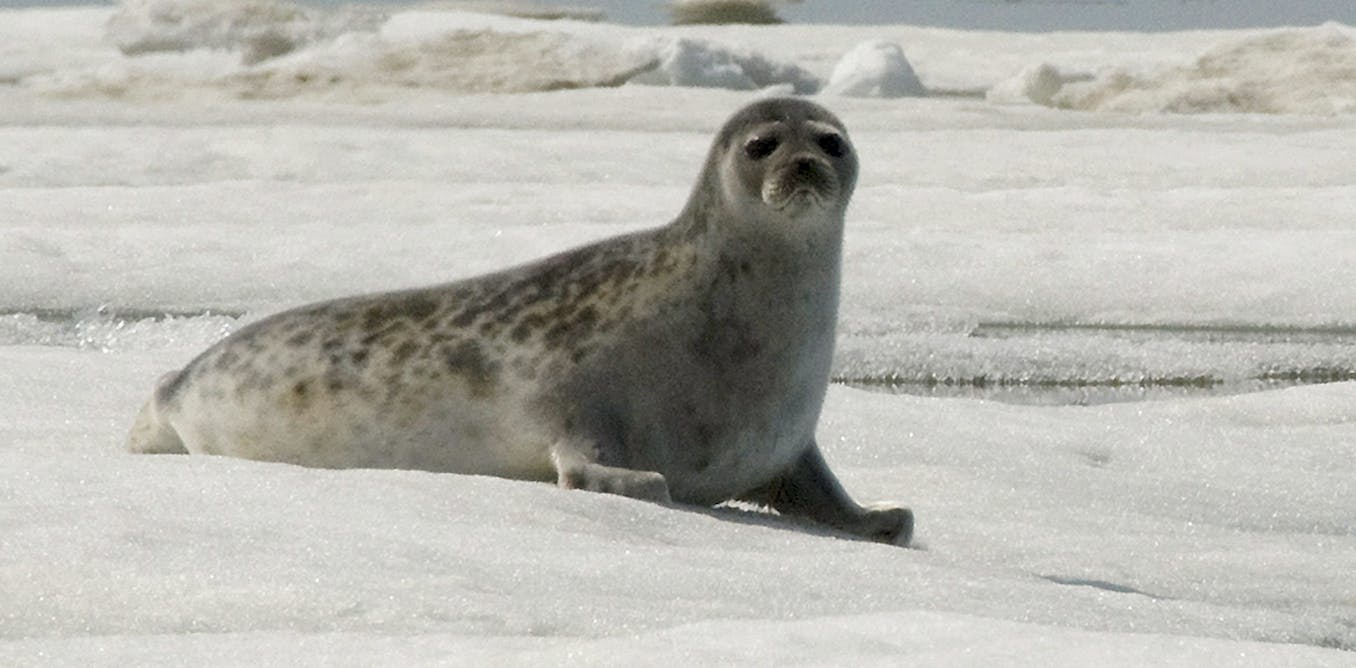
New research reveals that ringed seals in the Canadian Arctic are being harmed by chemical pollution accumulating in the Arctic food web, compounded by rapid climate-driven warming that is transforming their sea ice habitat. The study highlights how these pollutants affect seals at the molecular level, with implications for the broader Arctic ecosystem, including polar bears that prey on seals and Inuit communities that rely on them for nutrition and cultural continuity.
Source
 bskyStudy finds chemical pollution and climate warming harming Arctic ringed seals at molecular leveltheconversation.com
Key quotes
· 4 pulledRinged seals are among the most common marine mammals in the Canadian Arctic.
They strongly rely on sea ice as a habitat, breathing through holes they maintain in the frozen surface, giving birth in snow lairs and diving beneath the ice to hunt Arctic cod and small crustaceans.
They are also a key prey for polar bears and an integral part of Inuit culture, providing nutrition, cultural continuity and a generations-long connection to land and sea.
Our new study shows these seals are being affected by chemical pollution in the Arctic food web and rapid climate-driven warming that is transforming their sea ice habitat.
You might also wanna read
Rusting Rivers: Alarm Grows Over Uptick in Acidic Arctic Waters


Volcanic Eruptions Triggered Hydrogen Sulfide Buildup and Permian Mass Extinction
Research suggests that volcanic eruptions in Siberia 251 million years ago triggered a cascade of events that led to the Permian mass extinc
 psu.edu·7mo ago
Climate Change Threatens Great White Sharks with Overheating Due to Ocean Warming
The article discusses how climate change and ocean warming are threatening great white sharks by causing them to overheat. These apex predat
 e360.yale.edu·2mo ago
Climate Change Threatens Great White Sharks with Overheating Due to Ocean Warming
The article discusses how climate change and ocean warming are threatening great white sharks by causing them to overheat. These apex predat
e360.yale.edu·2mo ago
Study quantifies extreme weather impacts on marine predator breeding in Tasmanian climate hotspot
This scientific study examines how extreme weather events (EWEs) impact the breeding success of marine predators in Tasmania, Australia—a gl
 scim.ag·9d ago
Study quantifies extreme weather impacts on marine predator breeding in Tasmanian climate hotspot
This scientific study examines how extreme weather events (EWEs) impact the breeding success of marine predators in Tasmania, Australia—a gl
scim.ag·9d ago
Otters as Bioindicators of Estuarine Health: Research Gaps and Future Framework
This scientific synthesis article examines otters as bioindicators for estuarine health monitoring. It highlights how otters serve as integr
 emt.pensoft.net·4mo ago
Global Study Reveals Widespread Distribution of Plastic-Degrading Bacteria in World's Oceans
This scientific research article investigates the global distribution of bacteria containing PET-degrading enzymes (PETases) in ocean enviro
 academic.oup.com·7mo ago
Comments
Sign in to join the conversation.
No comments yet. Be the first.