
























Human Fingerprint on the Ozone Layer Emerged Decades Earlier Than Previously Known
From the article
You might also wanna read


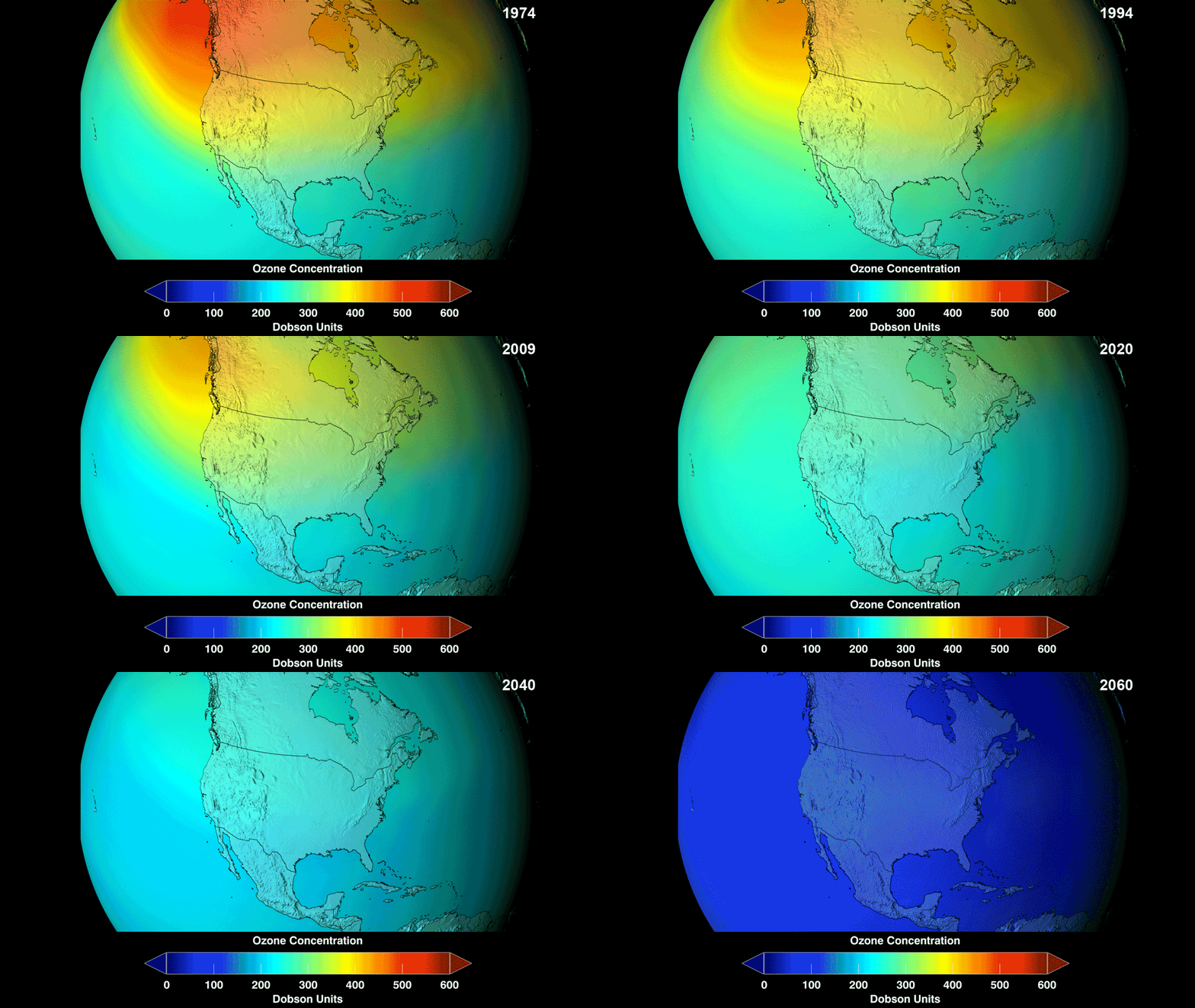
Ozone erosion started decades before the ozone hole’s discovery
Study: Rising Use of Ozone-Depleting Feedstock Chemicals Could Delay Ozone Layer Recovery by 7 Years
A new study reveals that unaccounted-for emissions of ozone-depleting substances used as chemical feedstocks have increased since the 1987 M
 eos.org·1mo ago
Anthropocene epoch proposal rejected by stratigraphy commission despite scientific support for formal recognition of human impacts
The article discusses the proposal to formally define the "Anthropocene" as a new geological epoch recognizing humanity's impact on the Eart
Human Activity Is Disrupting Natural Smellscapes, Threatening Wildlife Communication and Pollination
Human activities are altering environmental "smellscapes" — the chemical signals that plants and animals use to communicate. Air pollution,
 e360.yale.edu·1mo ago
Human Activity Is Disrupting Natural Smellscapes, Threatening Wildlife Communication and Pollination
Human activities are altering environmental "smellscapes" — the chemical signals that plants and animals use to communicate. Air pollution,
physics.yale.edu·1mo ago
Hair Analysis Shows 100-Fold Decrease in Lead Exposure Since 1916, Proving Effectiveness of Environmental Regulations
University of Utah researchers analyzed hair samples dating back to 1916 and found a 100-fold decrease in lead concentrations over the past
 attheu.utah.edu·5mo ago
Study Shows Decline in Human Lead Exposure Following EPA Establishment Using Archived Hair Analysis
This scientific study analyzes archived human hair samples from Utah residents over the past century to document changes in lead exposure. T
 pnas.org·5mo ago
Comments
Sign in to join the conversation.
No comments yet. Be the first.