





















Study Shows Decline in Human Lead Exposure Following EPA Establishment Using Archived Hair Analysis
By
robtherobber

Front-window bakery material. Catches the eye, delivers the goods.
Summary
This scientific study analyzes archived human hair samples from Utah residents over the past century to document changes in lead exposure. The research shows a significant decline in lead exposure in humans since the establishment of the US Environmental Protection Agency (EPA) in 1970, coinciding with regulatory efforts to reduce lead in gasoline, paint, and other sources. The study demonstrates that hair analysis provides a reliable historical record of environmental lead exposure and validates the effectiveness of EPA regulations in protecting public health from this toxic metal.
Key quotes
· 4 pulledCongress created the US Environmental Protection Agency (EPA) in 1970 to address national air and water pollution problems, including lead exposure.
Lead (Pb) exposure is detrimental to human health and there is no safe level of Pb exposure.
Because of the concern over environmental Pb exposures, efforts worldwide have been made in the past 50 y to reduce human exposure to Pb.
We use archived hair from individuals living along the Wasatch Front in Utah to evaluate changes in exposure to lead over the last 100 y.
You might also wanna read

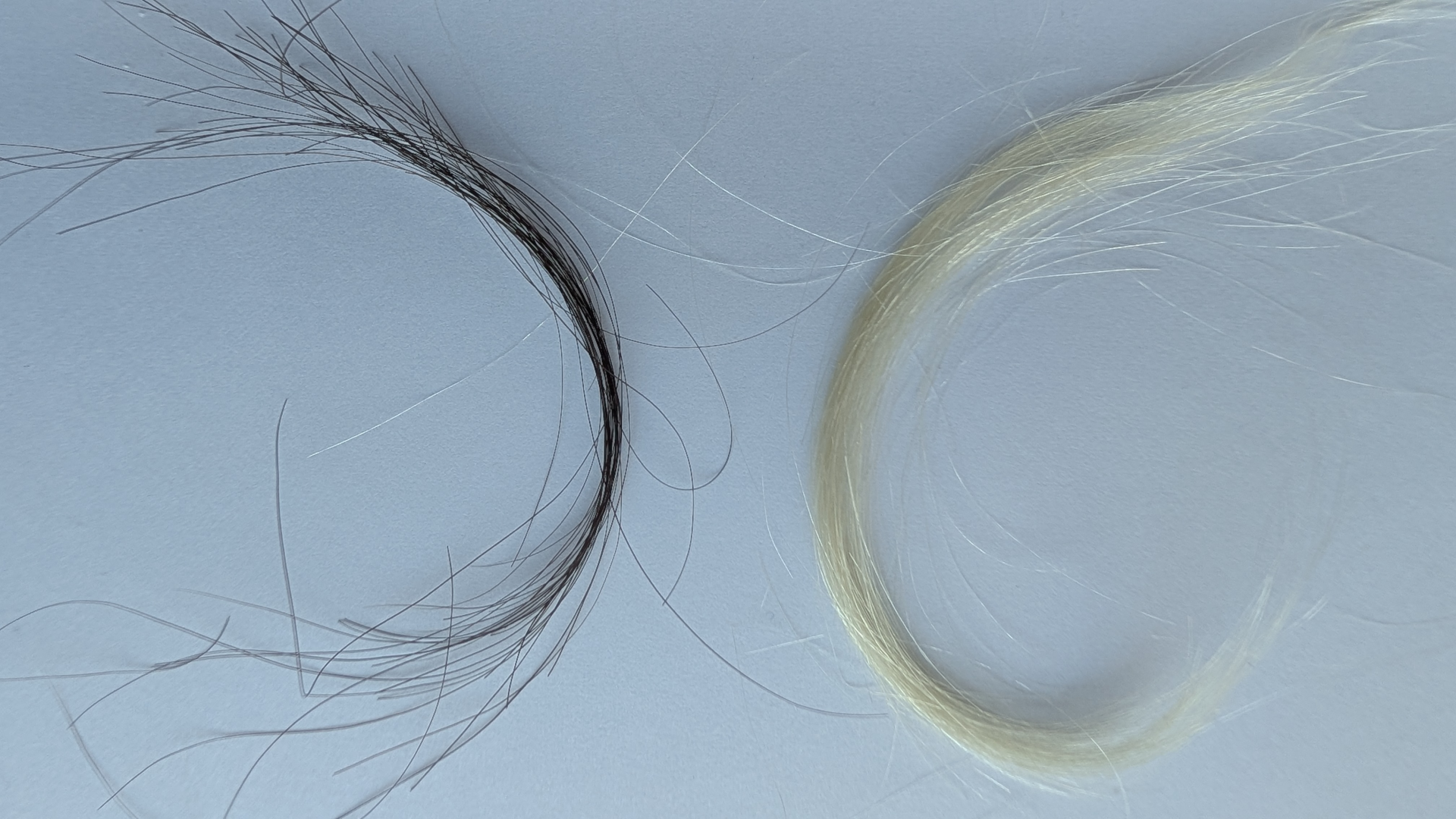
Historical Hair Analysis Shows Dramatic Reduction in Lead Exposure Following EPA Regulations
A new scientific study analyzed historical hair samples spanning 100 years to measure lead exposure in the U.S. population. The research sho
 livescience.com·3mo ago
UC Irvine Study: Indoor Surfaces Absorb Harmful Chemicals for Up to a Year
A UC Irvine-led study published in PNAS reveals that indoor surfaces act as powerful absorbers of volatile organic compounds (VOCs), retaini
 news.uci.edu·8mo ago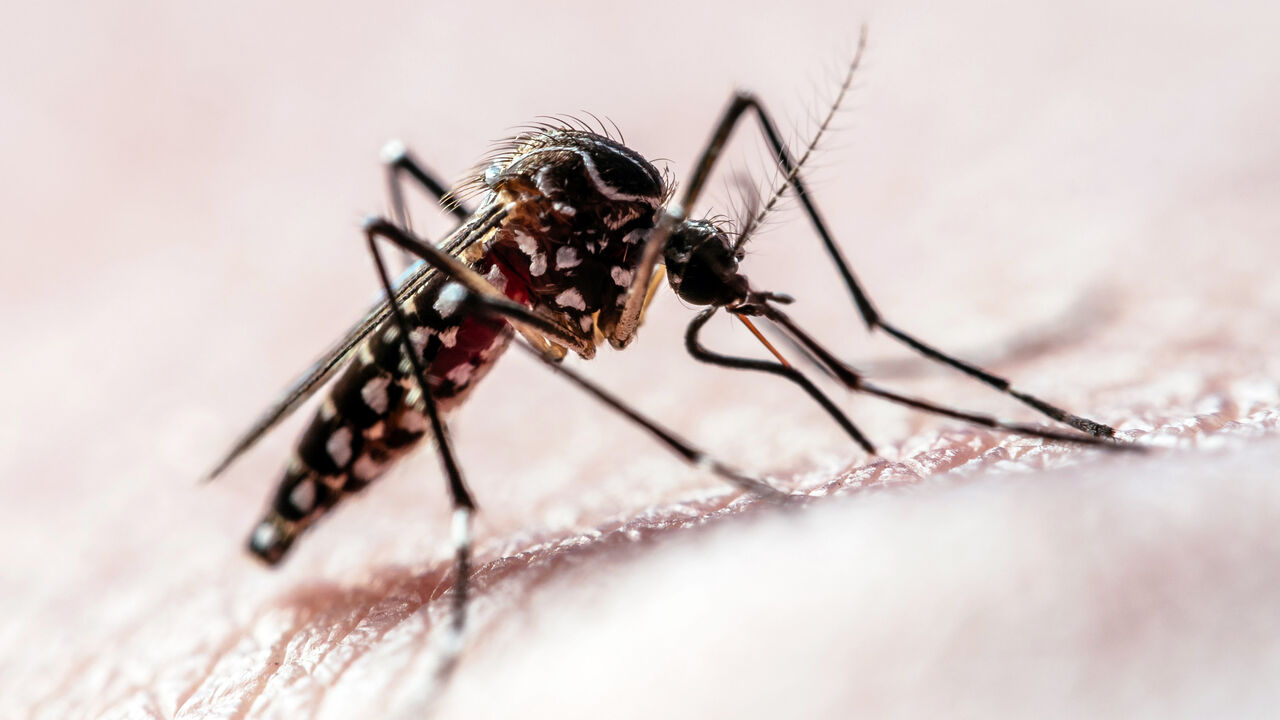
Some mosquitoes may be overcoming their aversion to DEET repellent
DEET, the gold standard mosquito repellent, works largely because mosquitoes find it unpleasant. However, new research suggests some mosquit
 economist.com·3d ago
Review of hepatitis B and C care models in Europe: 2015–2025 progress assessment
This paper reviews models of care (MoC) for chronic hepatitis B virus (HBV) and hepatitis C virus (HCV) implemented in the WHO European regi
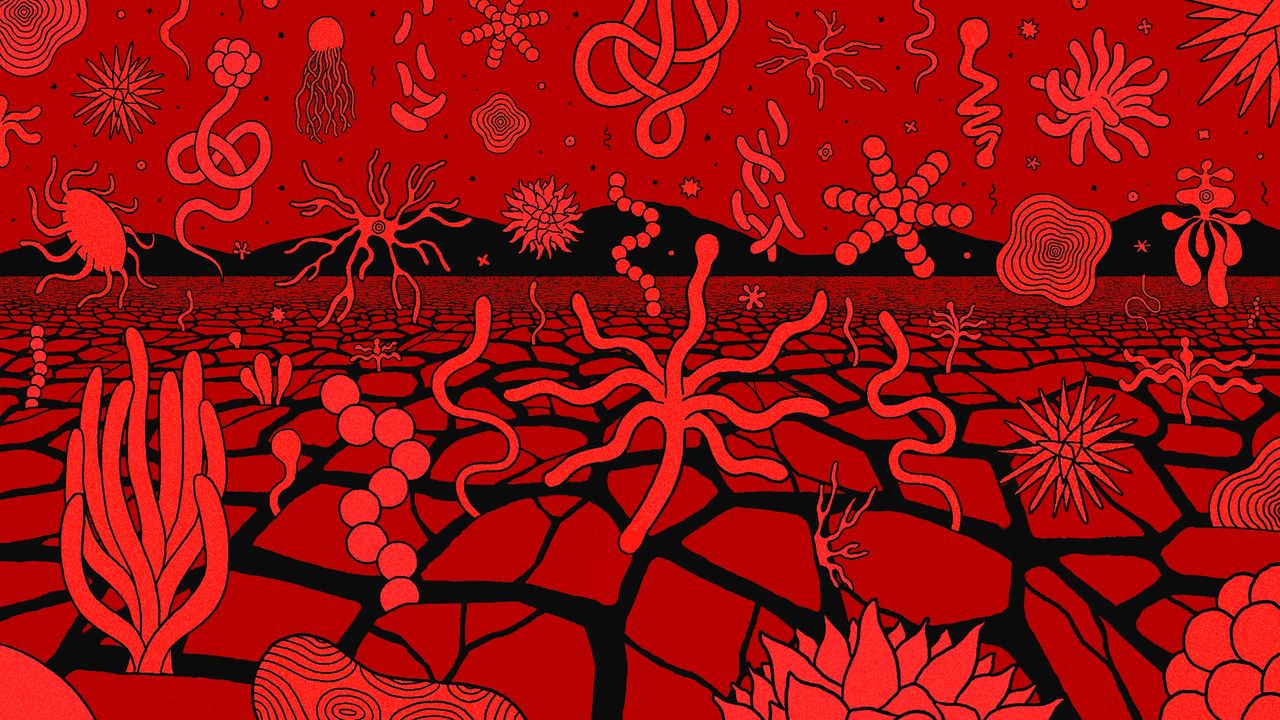
How Climate Change Is Spreading Dangerous Microbes and Pathogens
This article examines how climate change is accelerating the spread of dangerous pathogens, including "flesh-eating" bacteria and emerging i
 newyorker.com·6d ago
How the shift to P2P methamphetamine may be driving increased psychosis and homelessness
Sam Quinones discusses the shift from ephedrine-based methamphetamine to P2P-based methamphetamine around 2009, and its potential link to in
 dynomight.net·16d ago