





















Historical Hair Analysis Shows Dramatic Reduction in Lead Exposure Following EPA Regulations
By
Brajeshwar

Slow-proofed and worth the wait. Worth its weight in flour.
Summary
A new scientific study analyzed historical hair samples spanning 100 years to measure lead exposure in the U.S. population. The research shows that regulations targeting heavy-metal pollution, particularly those implemented after the establishment of the Environmental Protection Agency 55 years ago, were extremely effective at reducing public exposure to lead. The study demonstrates how preserved hair can serve as a historical record of environmental contamination and public health interventions.
Key quotes
· 4 pulledHumans have found lead useful for thousands of years, but the metal's toxic effects didn't become well known until the 20th century.
Now, using historical hair samples, researchers have shown that regulations targeting heavy-metal pollution were extremely effective at reducing the public's exposure to lead once its dangers were known.
We have hair samples spanning about 100 years, study co-author Ken Smith, a demo
A new study reveals the dramatic decrease in lead exposure in the U.S. following the establishment of the Environmental Protection Agency 55 years ago.
You might also wanna read


Study Shows Decline in Human Lead Exposure Following EPA Establishment Using Archived Hair Analysis
This scientific study analyzes archived human hair samples from Utah residents over the past century to document changes in lead exposure. T
 pnas.org·3mo ago
UC Irvine Study: Indoor Surfaces Absorb Harmful Chemicals for Up to a Year
A UC Irvine-led study published in PNAS reveals that indoor surfaces act as powerful absorbers of volatile organic compounds (VOCs), retaini
 news.uci.edu·8mo ago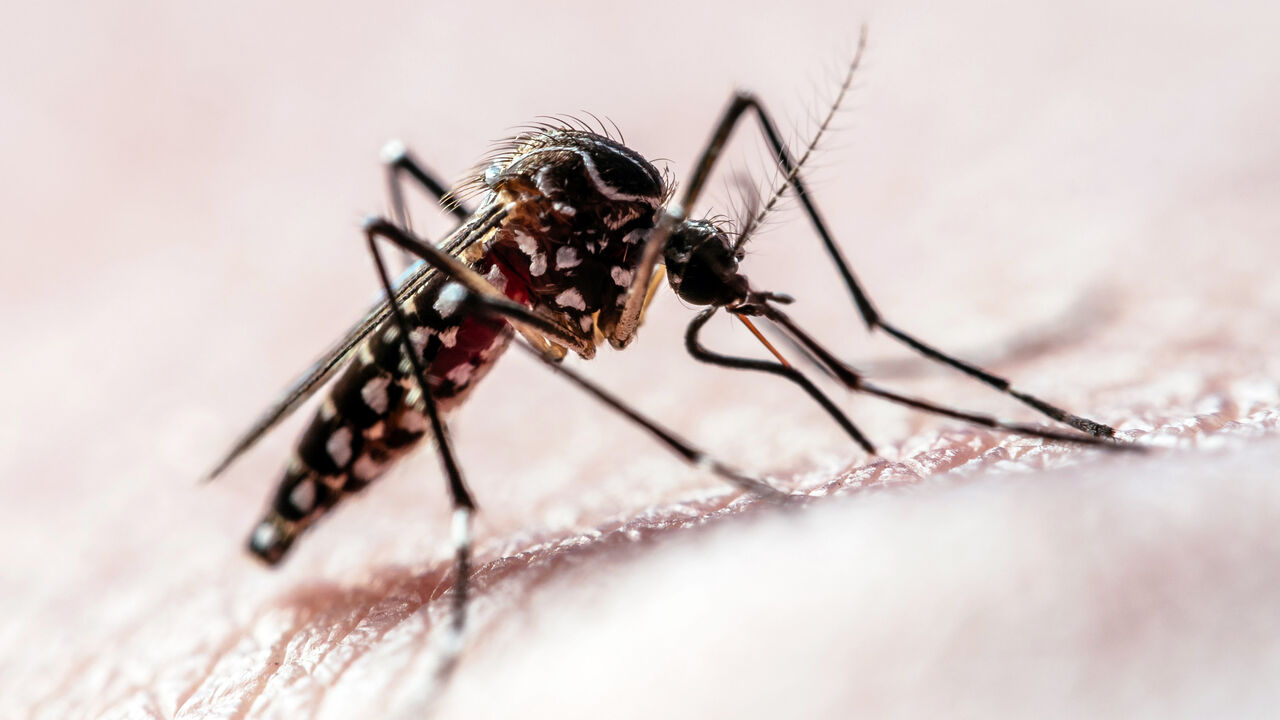
Some mosquitoes may be overcoming their aversion to DEET repellent
DEET, the gold standard mosquito repellent, works largely because mosquitoes find it unpleasant. However, new research suggests some mosquit
 economist.com·2d ago
Review of hepatitis B and C care models in Europe: 2015–2025 progress assessment
This paper reviews models of care (MoC) for chronic hepatitis B virus (HBV) and hepatitis C virus (HCV) implemented in the WHO European regi

How Climate Change Is Spreading Dangerous Microbes and Pathogens
This article examines how climate change is accelerating the spread of dangerous pathogens, including "flesh-eating" bacteria and emerging i
 newyorker.com·5d ago
How the shift to P2P methamphetamine may be driving increased psychosis and homelessness
Sam Quinones discusses the shift from ephedrine-based methamphetamine to P2P-based methamphetamine around 2009, and its potential link to in
 dynomight.net·15d ago