





















Hair Analysis Shows 100-Fold Decrease in Lead Exposure Since 1916, Proving Effectiveness of Environmental Regulations
By
geox

Kettled twice. Extra chewy, extra trustworthy.
Summary
University of Utah researchers analyzed hair samples dating back to 1916 and found a 100-fold decrease in lead concentrations over the past century, demonstrating the effectiveness of environmental regulations like the EPA's lead phase-out in gasoline. The study provides direct evidence that lead exposure has dramatically declined since the establishment of environmental protections, showing how human biomonitoring through hair analysis can track environmental toxin reductions over time.
Key quotes
· 4 pulledPrior to the establishment of the Environmental Protection Agency in 1970, Americans lived in communities awash with lead from industrial sources, paint, water supply pipes and, most significantly, tailpipe emissions.
A dangerous neurotoxin that accumulates in human tissues and is linked to developmental deficits in children, environmental lead levels have come way down in the years since, and so have human exposures.
An analysis of hair samples conducted by University of Utah scientists shows precipitous reductions in lead levels since 1916.
Researchers analyzed samples of Utahns' hair going back a century to document a 100-fold decrease in lead concentrations.
You might also wanna read

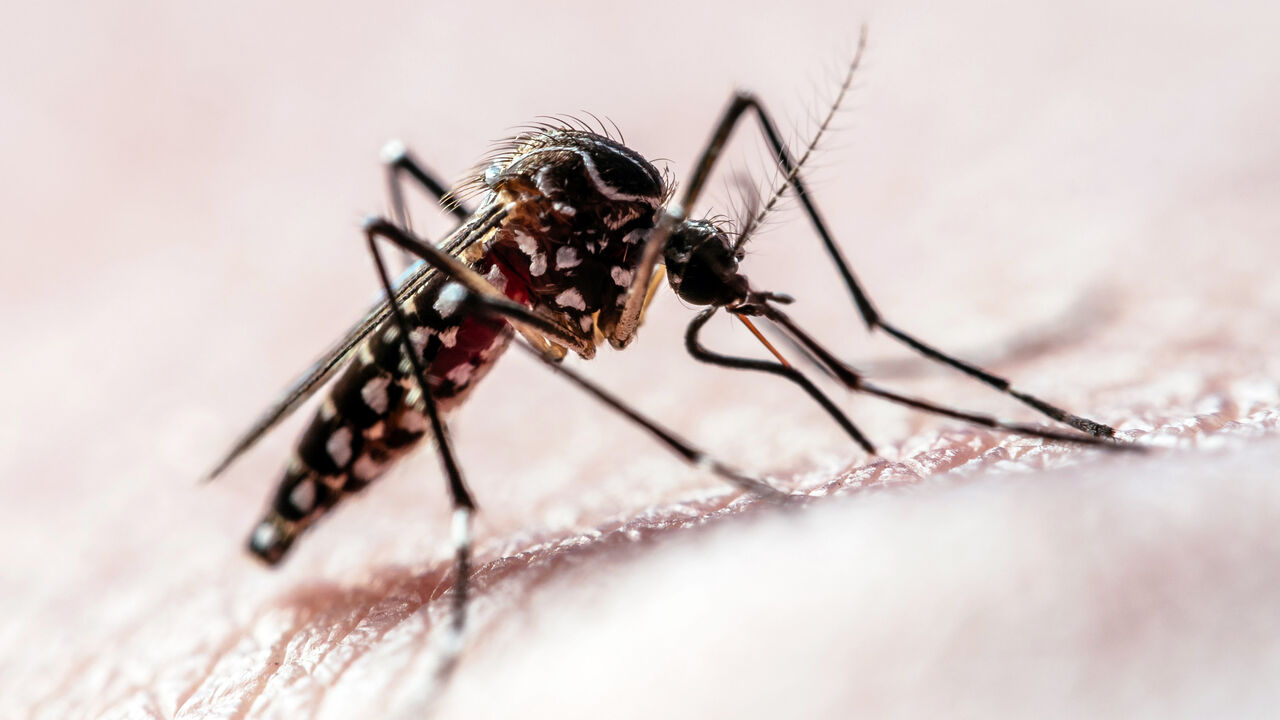
Some mosquitoes may be overcoming their aversion to DEET repellent
DEET, the gold standard mosquito repellent, works largely because mosquitoes find it unpleasant. However, new research suggests some mosquit
 economist.com·3d ago
Review of hepatitis B and C care models in Europe: 2015–2025 progress assessment
This paper reviews models of care (MoC) for chronic hepatitis B virus (HBV) and hepatitis C virus (HCV) implemented in the WHO European regi

How Climate Change Is Spreading Dangerous Microbes and Pathogens
This article examines how climate change is accelerating the spread of dangerous pathogens, including "flesh-eating" bacteria and emerging i
 newyorker.com·6d ago
How the shift to P2P methamphetamine may be driving increased psychosis and homelessness
Sam Quinones discusses the shift from ephedrine-based methamphetamine to P2P-based methamphetamine around 2009, and its potential link to in
 dynomight.net·16d ago
Aspartame and the Scientific Consensus: Addressing Public Skepticism
The article discusses aspartame, a synthetic sweetener 200 times sweeter than sucrose, produced largely by Ajinomoto. It acknowledges the na
dynomight.net·1mo ago
Study Shows Youth Suicide Rates Declined After 988 National Hotline Implementation
A new study found that youth suicide rates in the United States dropped 11% below projections in the two and a half years following the 2022
 nytimes.com·1mo ago