
























Study identifies mu-opioid receptors in prefrontal interneurons as key to ketamine's rapid antidepressant effects
By
Joshua Levitz1,2 Send email to [email protected]
Summary
This study investigates the molecular mechanisms behind ketamine's rapid antidepressant effects, identifying that its behavioral effects depend on mu-opioid receptors (MORs) enriched in somatostatin-expressing interneurons (Sst+ INs) in the medial prefrontal cortex (mPFC). The research aims to guide the development of GPCR-based antidepressant drug targets that could offer rapid relief with fewer side effects than current treatments.
Source
 bskyStudy identifies mu-opioid receptors in prefrontal interneurons as key to ketamine's rapid antidepressant effectscell.com
Key quotes
· 3 pulledDepression is driven by dysfunction in discrete neural circuits, but a deeper understanding of the underlying molecular and synaptic mechanisms is needed to guide the development of therapeutics.
We decipher the mechanisms of action of the fast-acting antidepressant ketamine to enable the identification of G protein-coupled receptor (GPCR) antidepressant targets.
We find that the behavioral effects of ketamine rely on mu-opioid receptors (MORs), which are enriched in somatostatin-expressing interneurons (Sst+ INs) in the medial prefrontal cortex (mPFC).
You might also wanna read

Exploring the Role of NMDA Receptor Antagonists in Anesthesia, Alzheimer's, and Depression
The article delves into the functions and effects of NMDA Receptor Antagonists, highlighting their potential uses in anesthesia, Alzheimer's
 grillbert.substack.com·11mo ago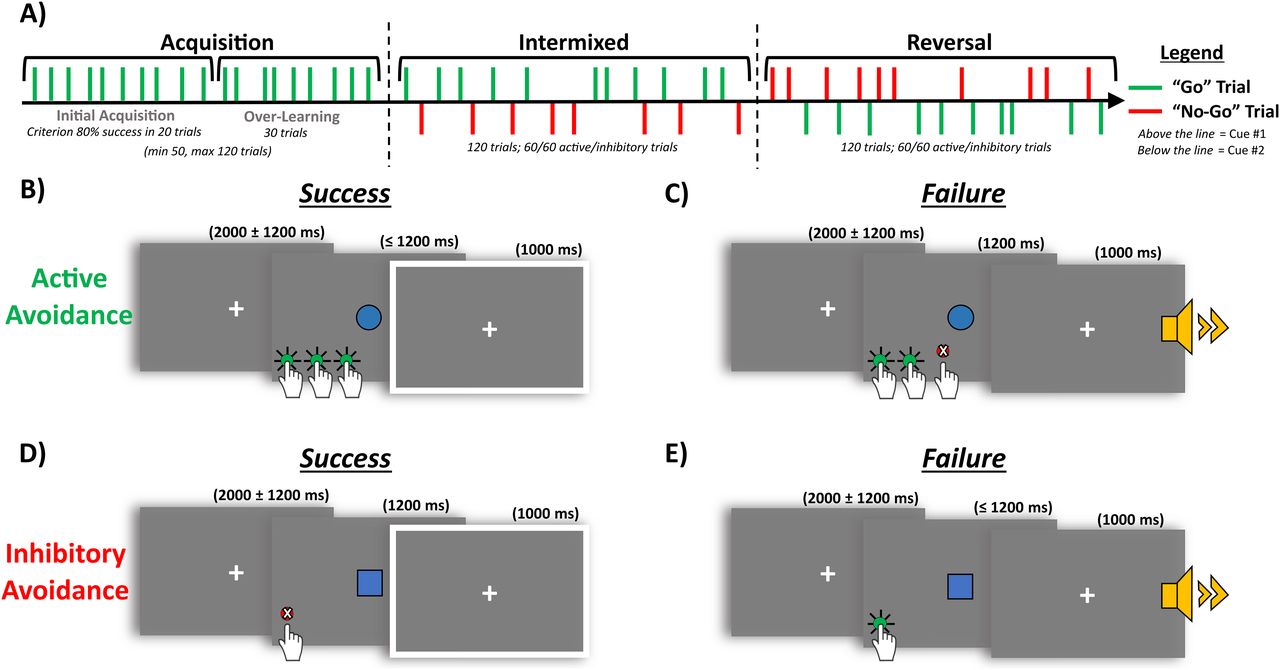
Research Links Depression to Reduced Ability to Learn Active Avoidance Behaviors in Young Adults
This research article presents findings from two studies examining the relationship between depressive symptoms and avoidance behaviors in y
 eneuro.org·9mo ago
Pharmaceutical LSD (MM120) Shows Promise in Treating Generalized Anxiety Disorder in UCSF Clinical Trials
Researchers at UCSF are testing MM120, a pharmaceutical form of LSD, as a treatment for generalized anxiety disorder (GAD). The treatment ha

Extended-release oral ketamine tablet KET01 enters late-stage trials for at-home depression treatment
An extended-release oral ketamine tablet (KET01) is in late-stage development as a potential at-home treatment for treatment-resistant depre
 mdsc.pe·10d ago
GLP-1 Medications Show Promise for Treating Addiction Through Brain Reward Pathways
The article explores the emerging potential of GLP-1 medications like Ozempic to treat various addictions beyond their original diabetes and
 newyorker.com·4mo ago
Major Lancet Review Finds Medicinal Cannabis Ineffective for Anxiety, Depression, and PTSD
A major systematic review published in The Lancet finds that medicinal cannabis does not effectively treat anxiety, depression, or PTSD, des
Comments
Sign in to join the conversation.
No comments yet. Be the first.