GLP-1 Medications Show Promise for Treating Addiction Through Brain Reward Pathways
By
adrianhon
3mo ago· 29 min readenInsight

100/100
Golden Brown
Bagelometer↗
Hot, fresh, and worth queueing round the block for.
Score100TypeanalysisSentimentpositive
Summary
The article explores the emerging potential of GLP-1 medications like Ozempic to treat various addictions beyond their original diabetes and obesity indications. It follows the story of Mary, who struggled with alcohol addiction for decades before finding success with semaglutide. The piece examines the scientific basis for how these drugs affect dopamine pathways and reward systems in the brain, potentially reducing cravings for substances like alcohol, tobacco, opioids, and even behavioral addictions like gambling. The article presents both promising early evidence and the need for more rigorous clinical trials to establish efficacy for addiction treatment.
Key quotes
· 4 pulledMary started drinking regularly in the early nineties, when she was thirteen. Her father had recently married a Danish woman and moved the family to Denmark, which has one of the highest teen-drinking rates in Europe.
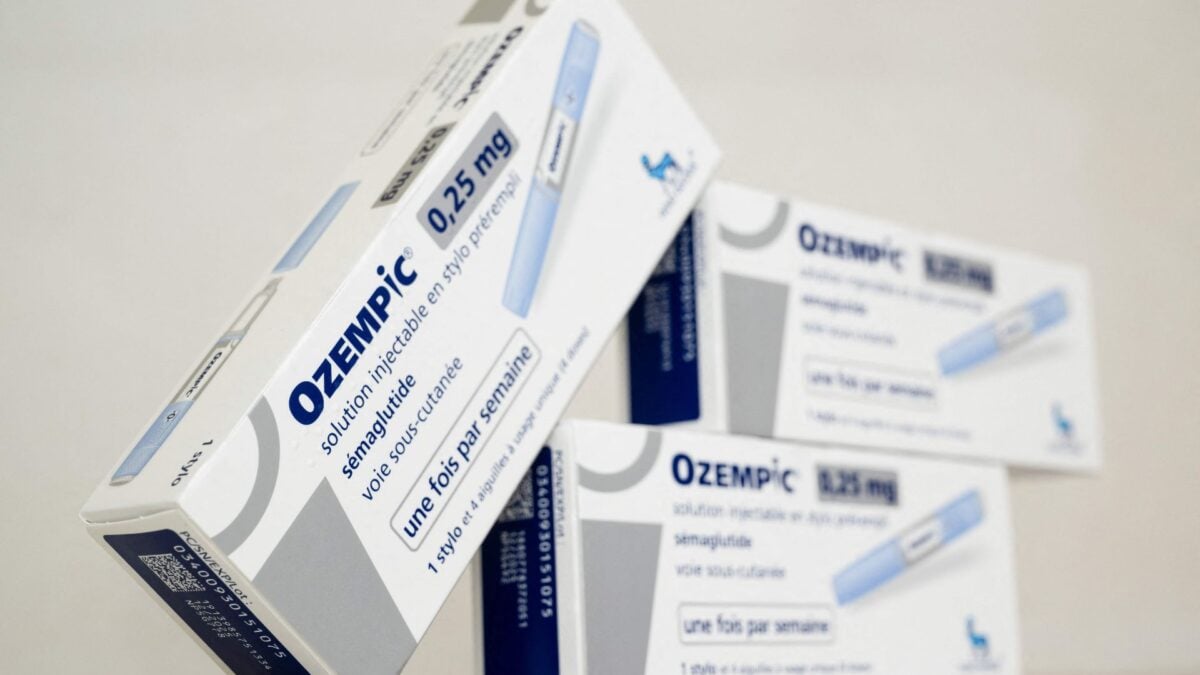
GLP-1 medications for diabetes and obesity have shown promise for addictions to tobacco, alcohol, opioids, and even gambling.
Dhruv Khullar writes about how these drugs affect dopamine, pleasure, and cravings in the brain's reward pathway.
She tried rehab, Alcoholics Anonymous, and a medication called Antabuse, which provokes nausea in combination with alcohol. None of them worked for her.
GLP-1 medications for diabetes and obesity have shown promise for addictions to tobacco, alcohol, opioids, and even gambling. Dhruv Khullar writes about how these drugs affect dopamine, pleasure, and cravings in the brain’s reward pathway.