





















Exploring the Role of NMDA Receptor Antagonists in Anesthesia, Alzheimer's, and Depression
By
surprisetalk

Hot, fresh, and worth queueing round the block for.
Summary
The article delves into the functions and effects of NMDA Receptor Antagonists, highlighting their potential uses in anesthesia, Alzheimer's treatment, and depression. It draws insights from the divergent effects of Memantine and Ketamine on the brain, offering a detailed exploration of the NMDA Receptor's role in these processes.
Key quotes
· 3 pulledUsing drugs with the NMDA Receptor protein complex seems to inherently lead to bizarre phenomena on both the level of the neuron.
The process of teasing out functions of the NMDA Receptor feels a lot like progressing through a flowchart.
Insights from Memantine and Ketamine's divergent effects on the Brain.
You might also wanna read

Karolinska Institutet study finds SSRIs affect developing nerve cell metabolism differently
A new study from Karolinska Institutet reveals that different SSRI medications affect metabolic processes in developing nerve cells in disti
 news.ki.se·3d ago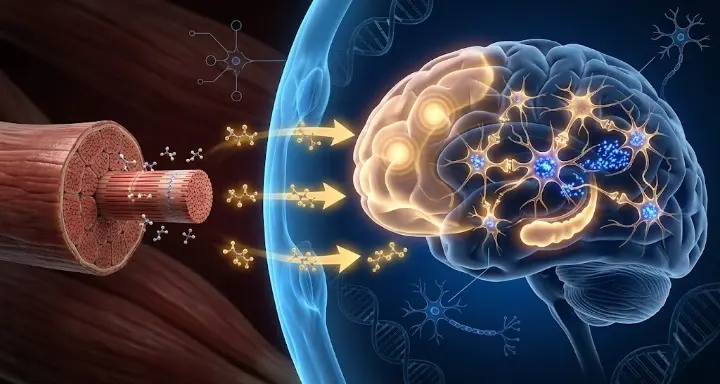
Creatine supplement shows cognitive benefits: slows early Alzheimer's decline by 30% and improves mental performance, studies find
A comprehensive review (2025) and clinical trial (2026) reveal that creatine, widely used as a muscle-building supplement, also crosses the
 thesciverse.org·10h ago
Japanese researchers develop vitamin K-like compounds that may help convert brain cells into neurons
Japanese researchers have developed a new family of vitamin K-like molecules that may help immature brain cells transition into neurons. Whi
 zmescience.com·1d ago
Gladstone Scientists Develop New Tool to Map Brain Waste Clearance Mechanisms
Gladstone scientists have developed a new tool to trace how the brain clears waste, revealing surprising new biology about the brain's self-
 gladstone.org·2d ago
Large longitudinal study examines delayed cortical thinning as biomarker for attention problems, highlighting sex differences in youth
This study examines whether delayed age-related cortical thinning is a reliable biomarker for attention problems and ADHD in youth. Using a
 pnas.org·4d ago
Study Shows Unconscious Brain Can Process Language Under Anesthesia
A new study from Baylor College of Medicine challenges the assumption that consciousness is required for the brain to process complex langua
 singularityhub.com·4d ago