
























How synchronized brain rhythms during sleep affect memory, vascular health, and dementia risk
By
Maiken Nedergaard
Summary
This Review article by Nedergaard explores how neuromodulators (norepinephrine, serotonin, acetylcholine, dopamine, and histamine) become synchronized during sleep, shifting from their independent wakeful operation into a coordinated brain rhythm. This synchronization impacts three key systems: sleep spindle activity and memory consolidation, vascular action and volume, and glymphatic brain clearance — the brain's waste removal process. The article discusses how disruption of this sleep rhythm through aging, stress, psychiatric disease, cardiovascular disease, medications, or substance use may be linked to dementia and other neurodegenerative conditions.
Source

 bskyHow synchronized brain rhythms during sleep affect memory, vascular health, and dementia riskdoi.org
Key quotes
· 3 pulledDuring wakefulness, neuromodulators operate largely independently to support behavior and cognition. By contrast, sleep reorganizes their activity into a coordinated brain rhythm.
The synchronization during sleep affects three primary systems: sleep spindle activity and subsequent memory consolidation, vascular action and volume, and glymphatic brain clearance.
Disruption of this sleep rhythm through aging, stress, psychiatric disease, cardiovascular disease, medications, or substance use may contribute to dementia.
You might also wanna read


Alzheimer's Disease Disrupts Circadian Rhythms in Brain Cells Responsible for Amyloid Clearance
A mouse study from Washington University School of Medicine reveals that Alzheimer's disease disrupts the circadian rhythms of brain cells r
 medicine.washu.edu·8mo ago
MIT Study: Sleep Deprivation Triggers Brain Waste-Flushing During Attention Lapses
A new MIT study reveals that during momentary attention lapses following sleep deprivation, a wave of cerebrospinal fluid (CSF) flows out of
 news.mit.edu·7mo ago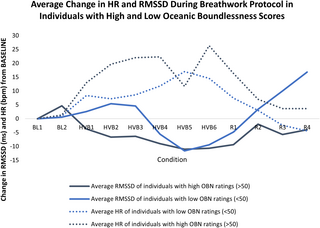
Neurobiological Mechanisms of Altered States Induced by High Ventilation Breathwork
This scientific study investigates the neurobiological mechanisms behind altered states of consciousness induced by high ventilation breathw
 journals.plos.org·10mo ago
Study reveals spiral electrical waves in the brain help coordinate communication across regions
A new study using mouse brain imaging has captured fast-spinning spiral electrical waves traveling across entire brains, revealing that thes
 science.org·5d ago
Stress disrupts hippocampal integration of overlapping events, memory inference

The Creative Power of the Hypnagogic State: How Drowsiness Between Sleep and Wakefulness Fuels Innovation
The article explores the hypnagogic state - the transitional period between wakefulness and sleep - and its potential to enhance creativity.
 theconversation.com·6mo ago
Comments
Sign in to join the conversation.
No comments yet. Be the first.