





















The Creative Power of the Hypnagogic State: How Drowsiness Between Sleep and Wakefulness Fuels Innovation
By
zeristor

The bagel they save for the regulars. Don't skim, savour.
Summary
The article explores the hypnagogic state - the transitional period between wakefulness and sleep - and its potential to enhance creativity. It discusses how many artists, scientists, and innovators have experienced creative breakthroughs during this drowsy state, using Paul McCartney's composition of 'Yesterday' as a prime example. The piece examines the neuroscience behind this phenomenon, explaining how the brain's reduced filtering of information during hypnagogia allows for novel connections and insights that might be suppressed during full wakefulness.
Key quotes
· 4 pulledThe Beatles' song Yesterday was written in what psychologists refer to as the 'hypnagogic state'
This is the twilight zone between sleep and wakefulness, when we drowsily linger in a semi-conscious state, experiencing vivid mental images and sounds
Many artists and scientists have had breakthroughs while in this drowsy state between sleep and waking
Waking up one morning in early 1965, Paul McCartney became aware of a long complex melody playing inside his head
You might also wanna read


Large longitudinal study examines delayed cortical thinning as biomarker for attention problems, highlighting sex differences in youth
This study examines whether delayed age-related cortical thinning is a reliable biomarker for attention problems and ADHD in youth. Using a
 pnas.org·4d ago
The Science and Ethics of Learning While Asleep: From the Psycho-phone to Modern Dream Research
This article explores the history and modern science of sleep learning, from Alois Benjamin Saliger's 1932 Psycho-phone to contemporary rese
 newyorker.com·1mo ago
The Thatcher Effect: How Inverted Faces Fool Our Brain's Facial Recognition
The article explains the Thatcher Effect, a psychological phenomenon where the brain struggles to recognize facial distortions when a face i
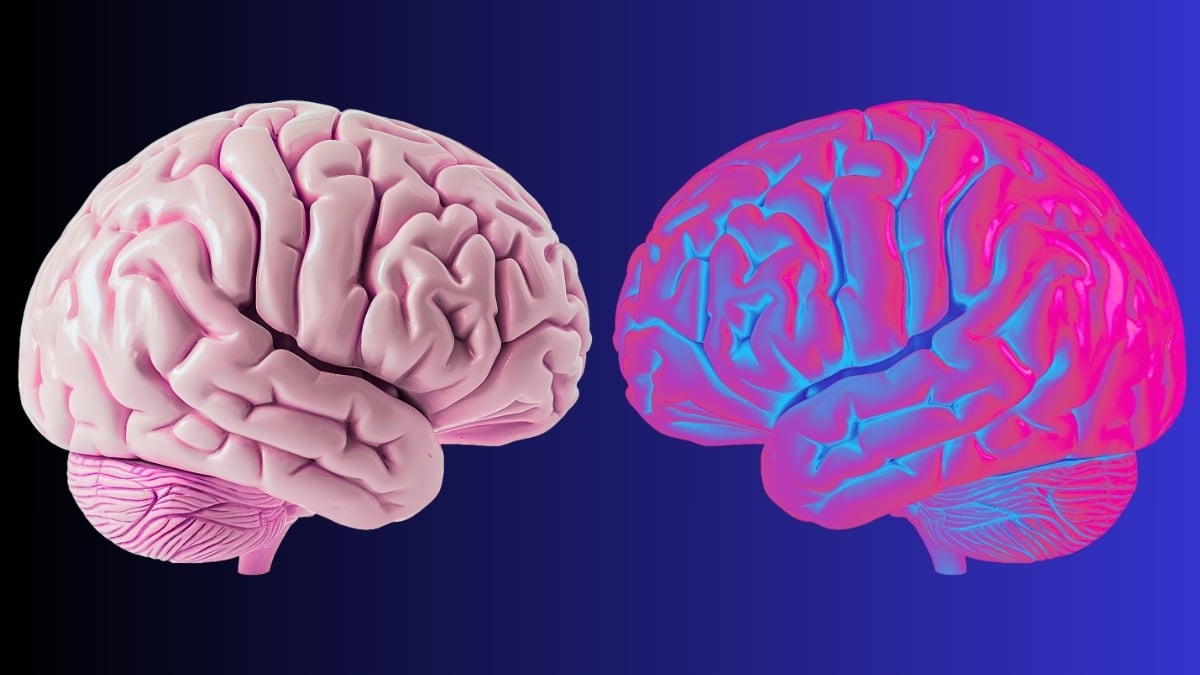
Scientists Identify Brain Waves Linked to Sense of Body Ownership
Researchers have identified specific brain waves associated with the sense of body ownership by studying participants experiencing the rubbe
 sciencealert.com·4mo ago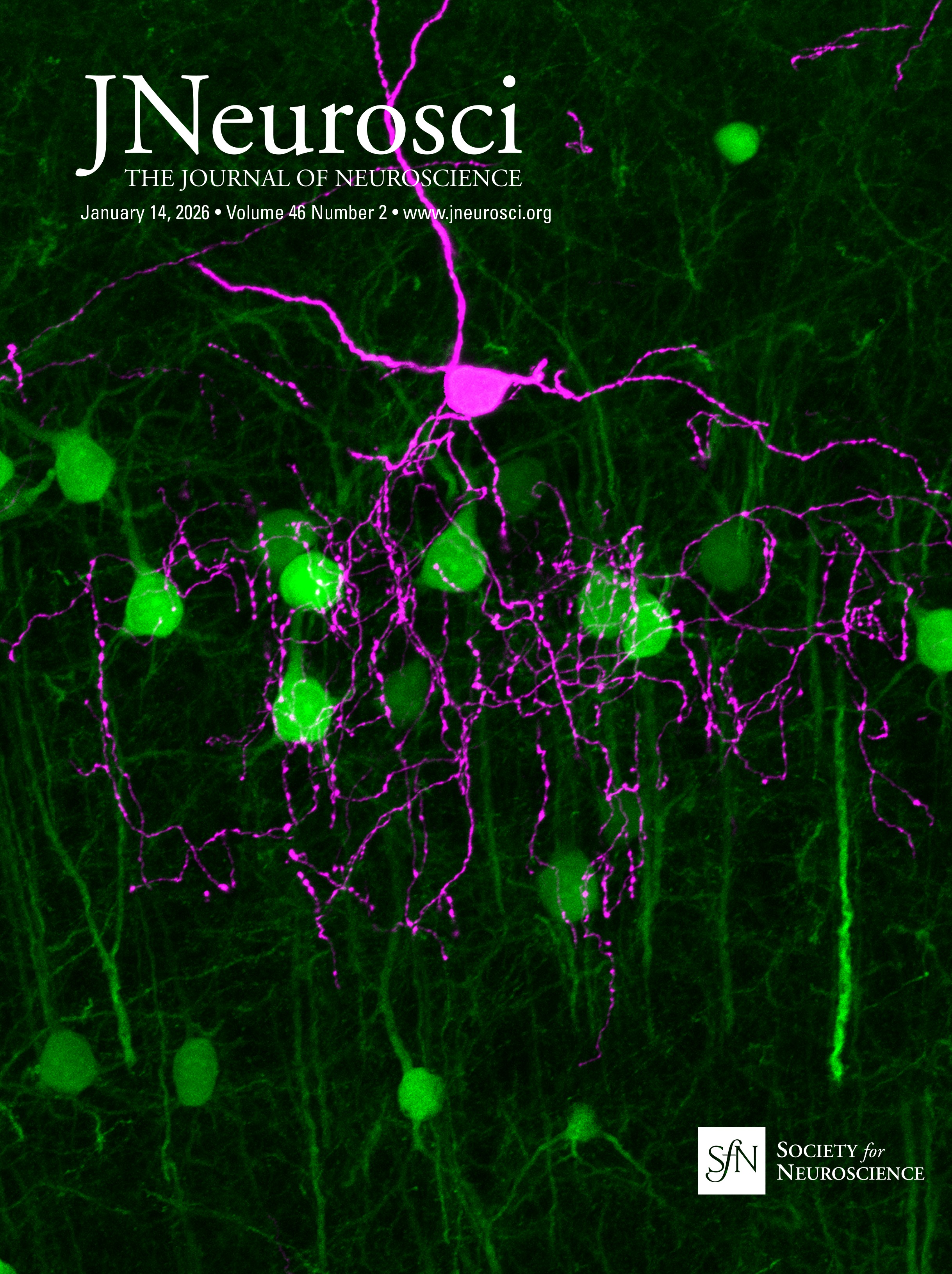
DMT Alters Brain Criticality Dynamics, Correlating with Self-Dissolution Experiences
This scientific research study investigates how the psychedelic substance DMT affects brain dynamics and subjective experience. The study fi
 jneurosci.org·6mo ago
Neuroscience Research Reveals How the Brain Creates and Remembers 'Aha' Moments
Neuroscientists have discovered how the brain produces 'aha' moments or insights, revealing that these sudden realizations involve specific
 quantamagazine.org·6mo ago