
























Two complementary gut-brain pathways drive protein-specific appetite in response to amino acid deficiency
By
Greg S. B. Suh
Summary
This article investigates the biological mechanisms behind protein-specific appetite when dietary essential amino acids (EAAs) are deficient. Using Drosophila as a model organism, the researchers identify that the peptide CNMamide (CNMa) drives EAA hunger through two complementary pathways: a fast gut-brain neuronal pathway where gut neurons bearing CNMa receptors signal the brain to suppress sugar-sensing neurons, and a slower systemic signal. The work reveals a coordinated neuronal and hormonal response system that drives animals to seek protein-rich food when EAA levels are low.
Source

 bskyTwo complementary gut-brain pathways drive protein-specific appetite in response to amino acid deficiencydoi.org
Key quotes
· 5 pulledA lack of sufficient dietary proteins leads to nutrient-specific appetite for essential amino acid (EAA)- or protein-rich food.
The first is a fast pathway triggered by neurons in the gut bearing a CNMa receptor, which in turn signals the brain to suppress the activity of sugar-sensing neurons.
Second, a slower signal is induced...
A deficit in dietary protein elicits a nutrient-specific appetite, yet the underlying mechanisms remain poorly understood.
In this work, we identify coordinated neuronal and systemic mechanisms in ...
You might also wanna read
Cysteine depletion triggers adipose tissue thermogenesis and weight loss

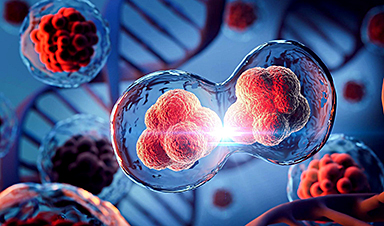
Scientists Discover Backup Cellular Pathway for Producing Essential Amino Acid
Scientists have discovered a surprising backup pathway in cells that allows them to produce a crucial amino acid when their primary machiner
 nanoappsmedical.com·3d ago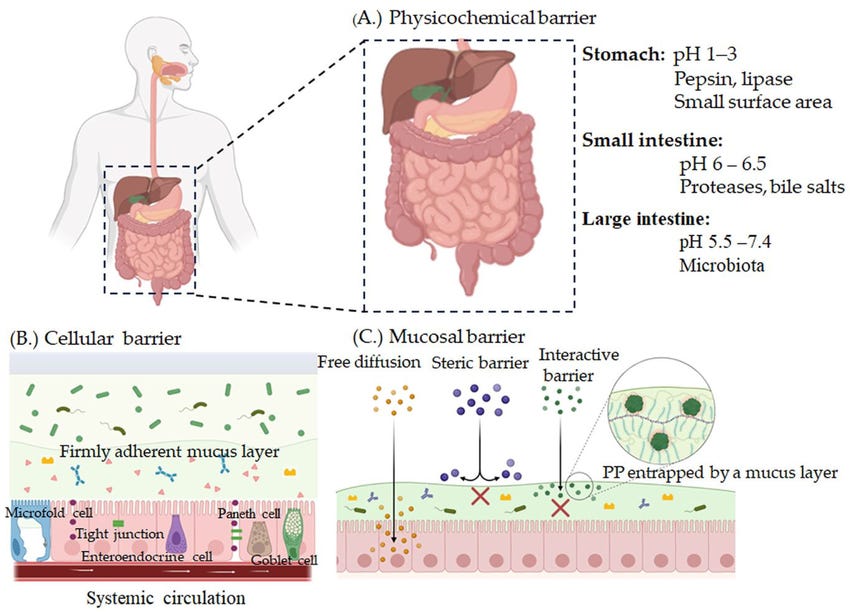
The Digestive Challenge: Why Oral Peptide Delivery Has Failed for Over a Century
The article explains the fundamental challenge of oral peptide delivery, focusing on how the human digestive system is designed to break dow
 seangeiger.substack.com·4mo ago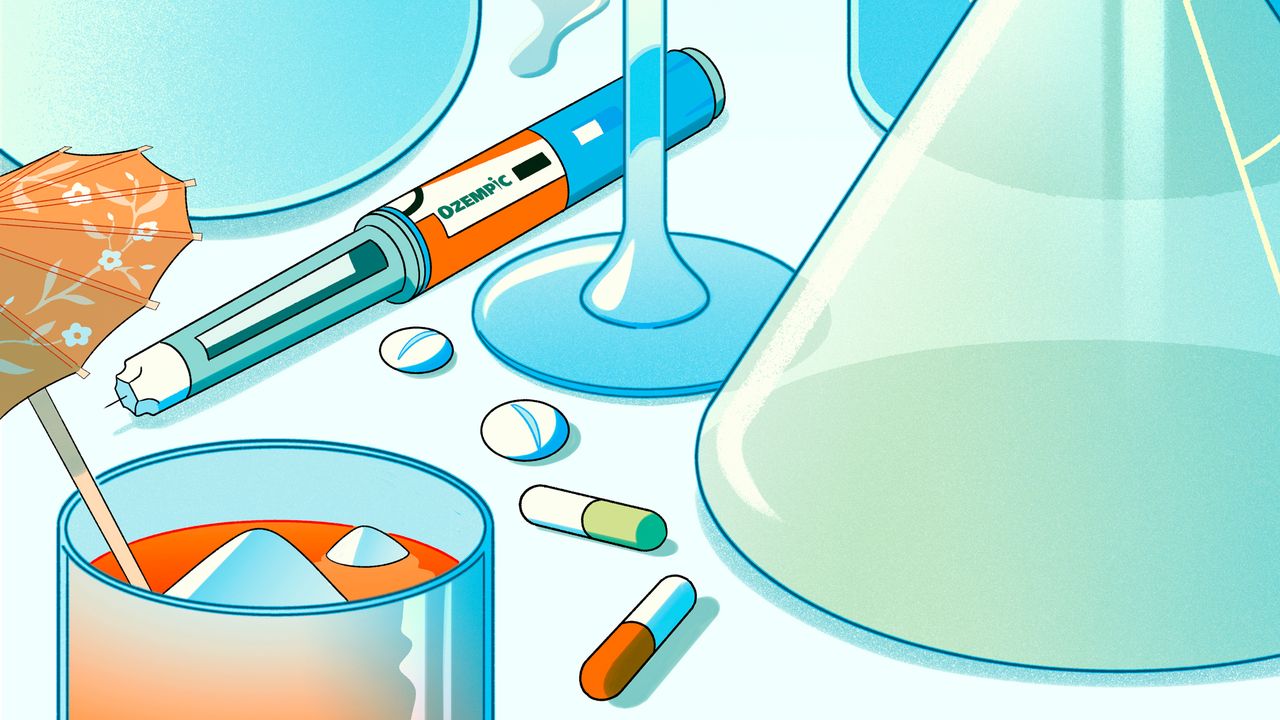
GLP-1 Medications Show Promise for Treating Addiction Through Brain Reward Pathways
The article explores the emerging potential of GLP-1 medications like Ozempic to treat various addictions beyond their original diabetes and
 newyorker.com·4mo ago
Study: Higher-Fiber and Higher-Protein Breakfasts Improve Appetite Control and Gut Health in Weight Loss Trial
This study examines how different breakfast compositions affect appetite control and gut health during weight loss. Researchers conducted a
 cambridge.org·3mo ago
Ingestible vibrating capsule identifies gut-brain signaling deficits linked to anorexia relapse risk
This article reports on a study using an ingestible vibrating capsule to measure gut-brain signaling deficits in weight-restored patients wi
 mdsc.pe·7h ago
Comments
Sign in to join the conversation.
No comments yet. Be the first.