
























Study suggests theropod dinosaurs' tiny arms resulted from evolving larger, more powerful skulls
By
Phie Jacobs
Summary
A study published in Proceedings of the Royal Society B suggests that many theropod dinosaurs, including Tyrannosaurus rex, evolved tiny forelimbs as a byproduct of developing larger heads and stronger jaws. As their skulls became more powerful hunting tools, their arms became less useful and gradually shrank over evolutionary time.
Source

 bskyStudy suggests theropod dinosaurs' tiny arms resulted from evolving larger, more powerful skullsscience.org
Key quotes
· 3 pulledFor one of the biggest and most ferocious predators to ever live, Tyrannosaurus rex sure had puny arms, not much longer than our own.
In a paper published last month in the Proceedings of the Royal Society B, one team suggests that as certain theropods evolved bigger heads and stronger jaws, their forelimbs became less useful and consequently dwindled
Shrunken forelimbs were likely a byproduct of large, powerful skulls—with one notable exception
You might also wanna read

:max_bytes(150000):strip_icc()/Tyrannosaurus-rex-dinosaur-052626-82414f7fae76417ea17e9a08edf7d01d.jpg)
Ever Wondered Why the T. Rex Had Such Small Arms? Scientists Have an Answer

Study finds stem tetrapods developed directly without larval stage across fin-to-limb transition
A study by Pardo et al. examining stem tetrapod fossils from the Mazon Creek Lagerstatte challenges the long-held assumption that early tetr
 scim.ag·7d ago
Study finds stem tetrapods developed directly without larval stage across fin-to-limb transition
A study by Pardo et al. examining stem tetrapod fossils from the Mazon Creek Lagerstatte challenges the long-held assumption that early tetr
scim.ag·7d ago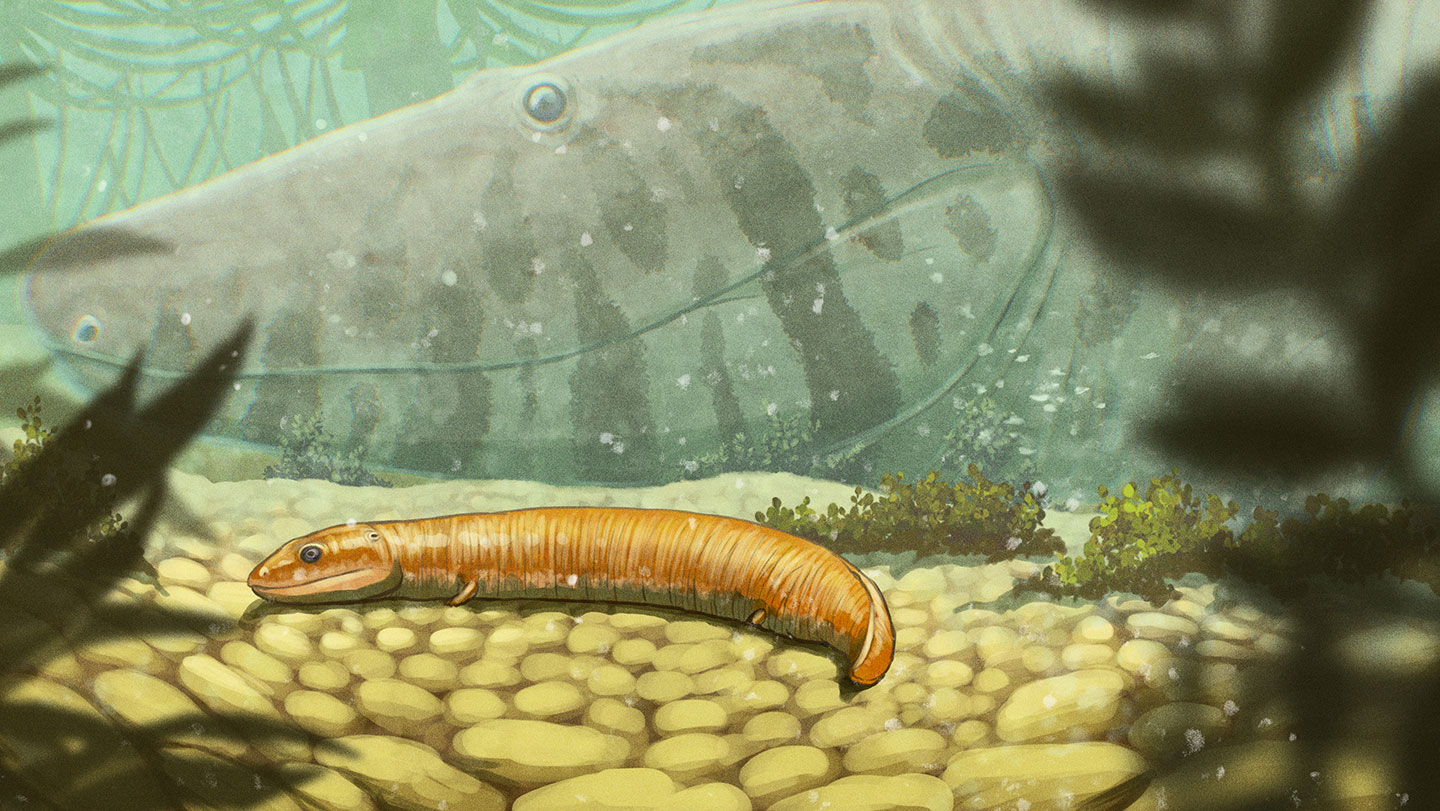
Fossil study challenges assumption that early land vertebrates underwent amphibian-like metamorphosis
New fossil evidence challenges the long-held assumption that early land vertebrates underwent amphibian-like metamorphosis. Researchers stud
 sciencenews.org·8d ago
Fossil study challenges assumption that early land vertebrates underwent amphibian-like metamorphosis
New fossil evidence challenges the long-held assumption that early land vertebrates underwent amphibian-like metamorphosis. Researchers stud
sciencenews.org·8d ago
Fossil analysis shows flowering plants used dinosaurs to spread seeds 74 million years ago
A fossil analysis reveals that flowering plants (angiosperms) produced fleshy, blueberry-sized fruits and winged seeds over 74 million years
sciencenews.org·5d agoFossil analysis shows flowering plants used dinosaurs to spread seeds 74 million years ago
A fossil analysis reveals that flowering plants (angiosperms) produced fleshy, blueberry-sized fruits and winged seeds over 74 million years
sciencenews.org·5d agoFossil analysis shows flowering plants used dinosaurs to spread seeds 74 million years ago
A fossil analysis reveals that flowering plants (angiosperms) produced fleshy, blueberry-sized fruits and winged seeds over 74 million years
sciencenews.org·5d agoThe emergence and diversification of dog morphology
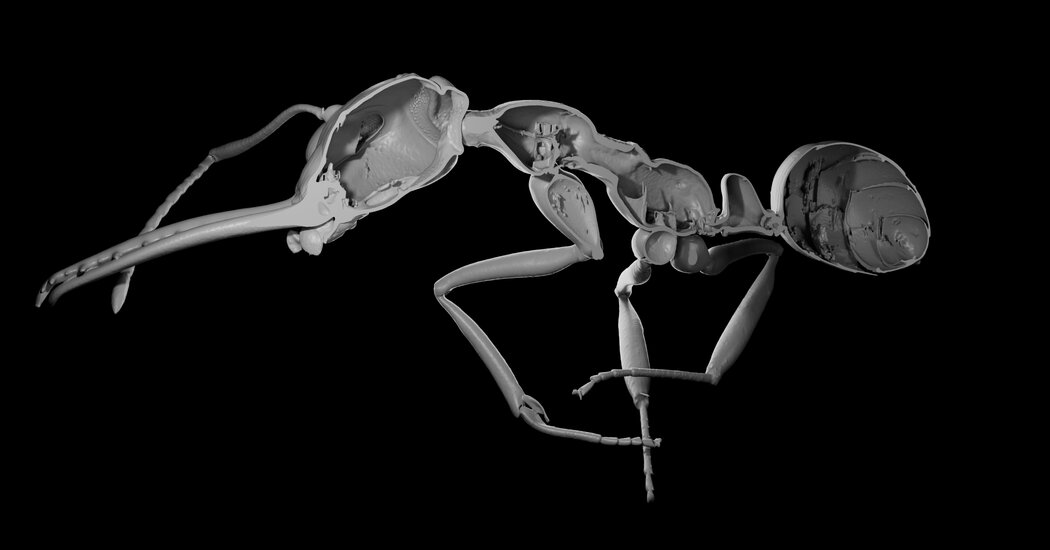
Study Links Ants' Global Success to Exoskeleton Thickness and Armor Adaptations
A new scientific study reveals that ants' evolutionary success and global dominance may be attributed to their exoskeleton thickness and arm
 nytimes.com·5mo ago
Comments
Sign in to join the conversation.
No comments yet. Be the first.