
























HiRISE Images New Equatorial Impact Crater on Mars Showing Possible Ice or Hydrothermally Altered Material
Summary
A HiRISE (High Resolution Imaging Science Experiment) report describes imaging thousands of new impact sites on Mars, focusing on craters that expose shallow ice. A newly imaged crater at 3.5° North latitude (near the equator) shows bright, relatively blue material that could indicate shallow ice, though ice is highly unstable at that latitude. The bright regolith might alternatively be material altered by hot springs or fumaroles.
Source
 Twitter / XHiRISE Images New Equatorial Impact Crater on Mars Showing Possible Ice or Hydrothermally Altered Materialuahirise.org
Key quotes
· 3 pulledWe've imaged thousands of new impact sites.
We are especially interested in craters that expose shallow ice, which appears as especially bright and relatively blue material.
This crater may have revealed an interesting...
You might also wanna read


NASA finds strongest evidence yet of ancient life on Mars, but definitive proof remains elusive
Bob McDonald analyzes NASA's latest announcement about the clearest evidence yet of potential ancient life on Mars, found by the Perseveranc
 cbc.ca·6d ago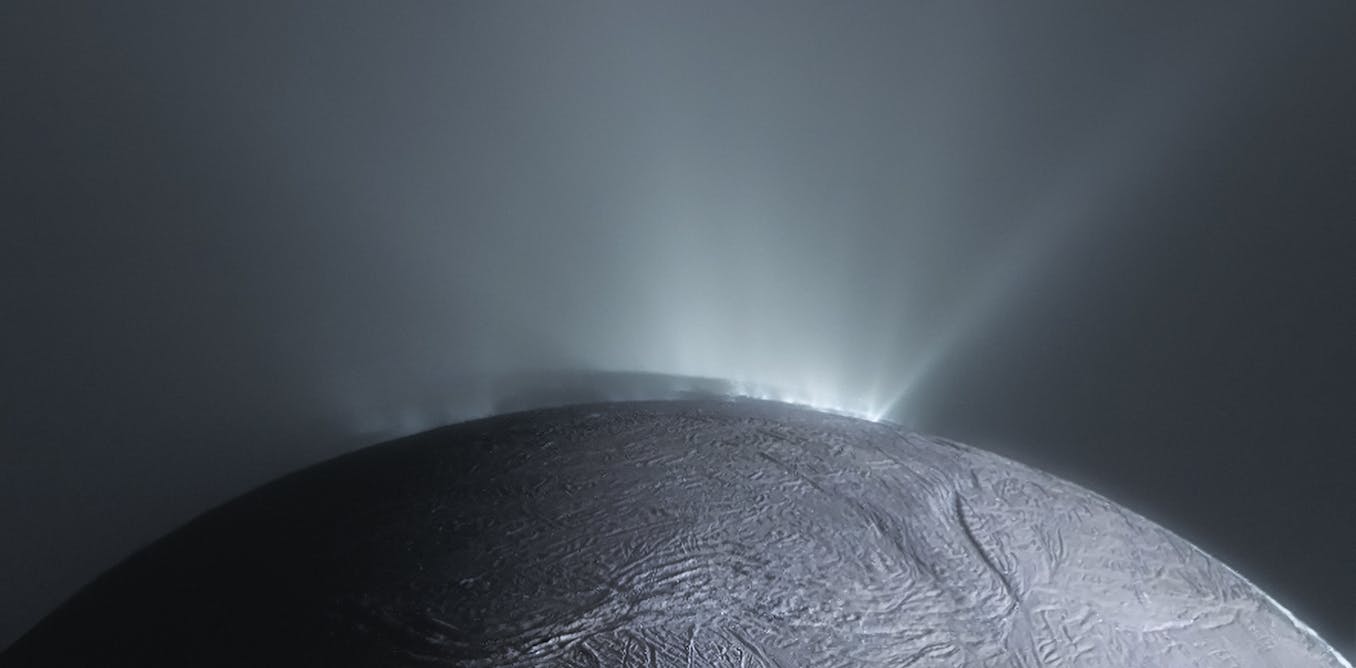
Scientists adapt ecological analysis methods to detect potential life on icy moons like Enceladus and Europa
Scientists are using ecological methods to study icy moons like Saturn's Enceladus and Jupiter's Europa, which likely have subsurface oceans
 theconversation.com·1mo ago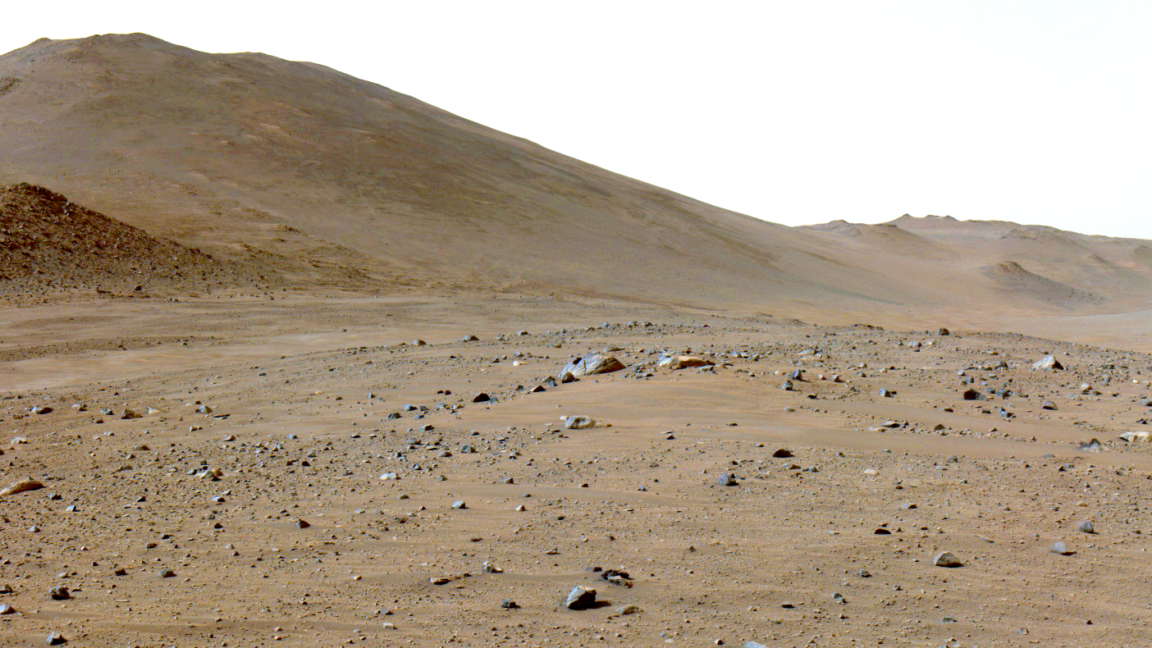
Perseverance rover detects organic carbon on Martian rock surface in Jezero Crater
NASA's Perseverance rover has detected complex macromolecular carbon on the surface of a rock at Jezero Crater on Mars — the shallowest dete
 Ars Technica·14h ago
Perseverance rover detects organic carbon on Martian rock surface in Jezero Crater
NASA's Perseverance rover has detected complex macromolecular carbon on the surface of a rock at Jezero Crater on Mars — the shallowest dete
arstechnica.com·14h ago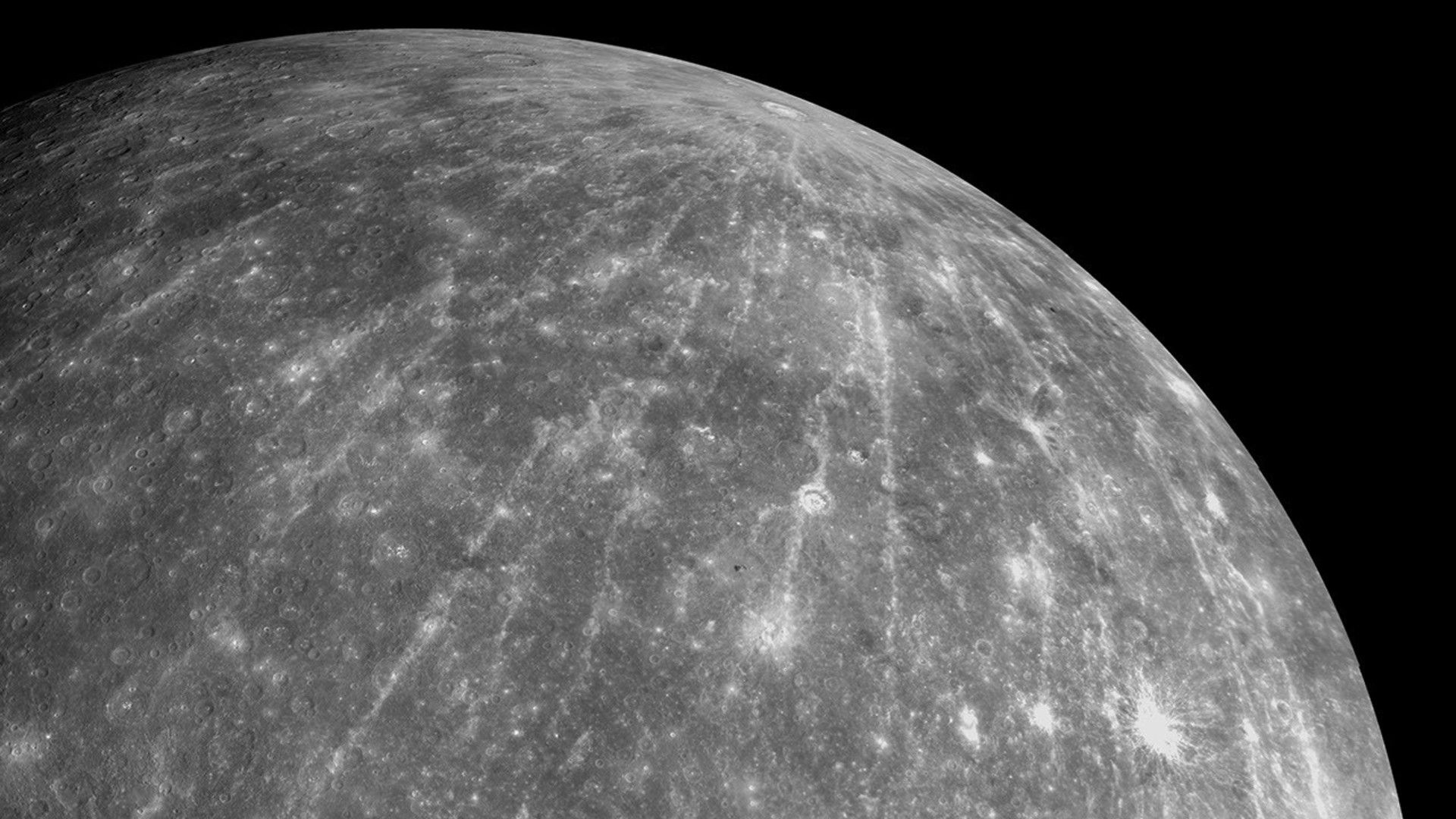
Study suggests single asteroid impact delivered Mercury's water ice in one Mercurian day
New simulations suggest that a single massive asteroid impact on Mercury, similar to the one that created the Hokusai crater, may have rapid
 space.com·1mo ago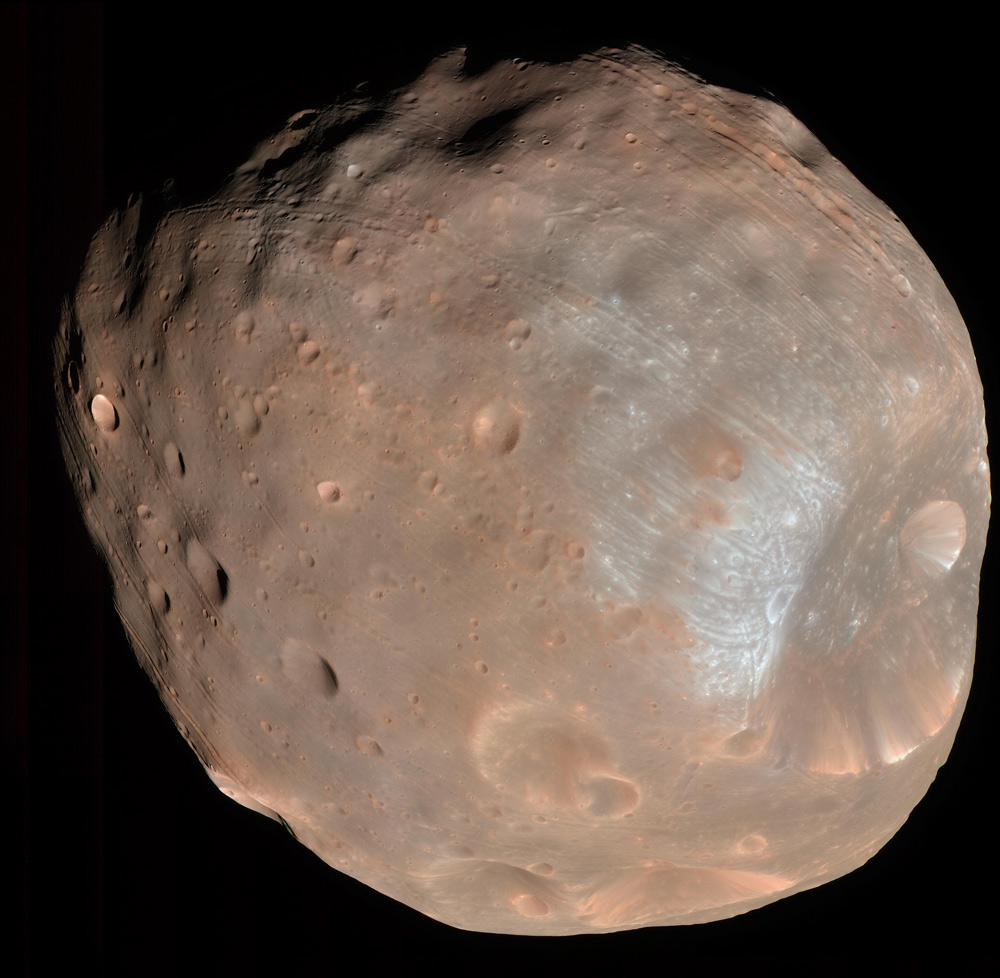
See Venus and Jupiter tonight! Plus: Phobos isn’t hollow. Shocker.
 badastronomy.beehiiv.com·25d ago
Curiosity Rover Blog: Planning Exploration Routes Based on Martian Surface Textures (Sols 4927–4933)
A blog post from NASA's Curiosity Mars rover mission, written by a planetary mineralogy professor. It describes the rover's current explorat
 science.nasa.gov·10d ago
Comments
Sign in to join the conversation.
No comments yet. Be the first.