
























SIIA issues rare red warning for severe transboundary haze in Southeast Asia for rest of 2026
By
Koh Wan Ting
Summary
The Singapore Institute of International Affairs (SIIA) has issued a rare "red" warning in its Haze Outlook 2026 report, indicating a high risk of severe transboundary haze affecting Brunei, Indonesia, Malaysia, and Singapore for the rest of 2026. The peak danger period is expected between August and September, driven by a strong El Nino bringing hotter and drier conditions, compounded by increased biofuel demand and Indonesia's budget cuts for fire prevention and haze mitigation efforts.
Source

 bskySIIA issues rare red warning for severe transboundary haze in Southeast Asia for rest of 2026channelnewsasia.com
Key quotes
· 3 pulledSoutheast Asia faces a high risk of severe transboundary haze for the rest of 2026, with conditions expected to peak between August and September due to a strong El Nino bringing about hotter and drier conditions
This is only the second time SIIA has issued a red warning in its Haze Outlook report
The Singapore Institute of International Affairs (SIIA) said it has issued a rare 'red' warning in its 17-page Haze Outlook 2026 report, which signals a high risk of severe transboundary haze affecting Brunei, Indonesia, Malaysia and Singapore
You might also wanna read

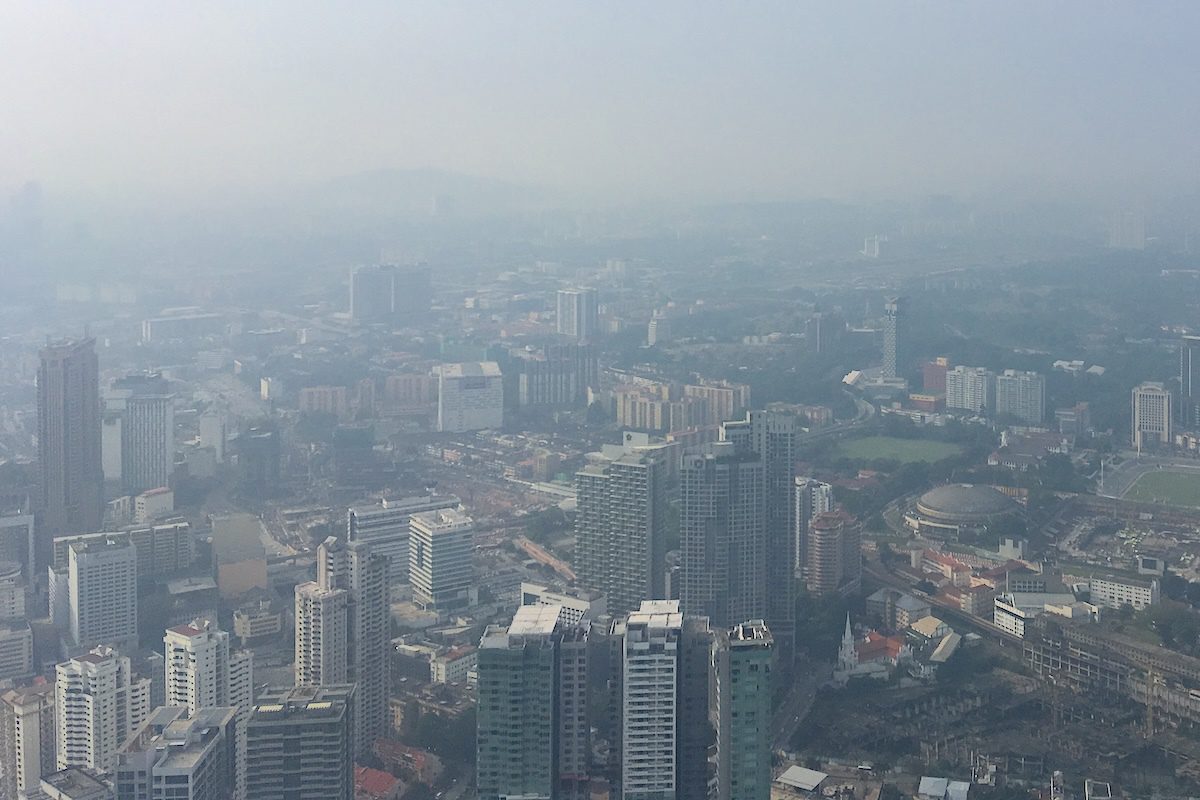
Pollution in Southeast Asia Shifts Rainfall from Land to Ocean
New research reveals that heavy air pollution in Southeast Asia, caused by aerosols from vehicles, factories, and power plants, is altering
 e360.yale.edu·8mo ago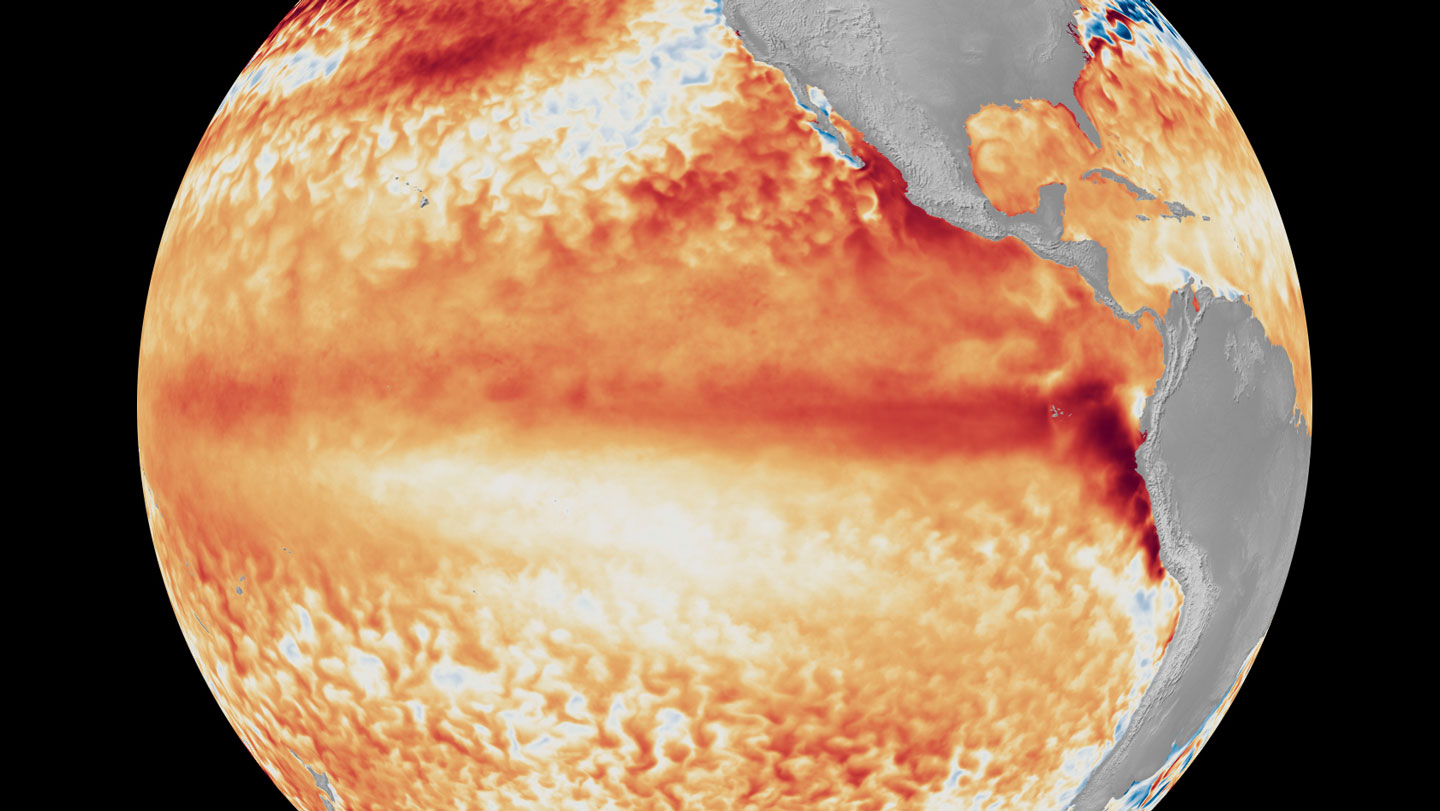
NOAA confirms El Niño arrival; scientists warn it could become strongest on record by 2026
The article reports that El Niño has officially arrived, confirmed by NOAA on June 11, and scientists warn it could become the strongest El
 sciencenews.org·4d ago
NOAA confirms El Niño arrival; scientists warn it could become strongest on record by 2026
The article reports that El Niño has officially arrived, confirmed by NOAA on June 11, and scientists warn it could become the strongest El
sciencenews.org·4d ago
Climate Change and Aviation Safety: How Global Warming Increases Flight Turbulence Risks
The article examines the increasing frequency and severity of turbulence in air travel due to climate change, using the Singapore Airlines F
 newyorker.com·3mo ago
Upcoming El Niño could be the strongest on record, posing risks for a warming world
The article discusses the phenomenon of El Niño, which was first observed by Peruvian fishermen centuries ago when anchovies would disappear
 economist.com·7d ago
FAO Food Outlook: Global food commodity markets stable but facing rising geopolitical and weather risks
The FAO's Food Outlook report indicates that global food commodity markets remain relatively stable, with 2026/27 cereal production forecast
 fao.org·5d ago
El Niño: Climate Phenomenon, Food Security Risks, and Anticipatory Action
El Niño is a natural climate phenomenon characterized by warming of surface waters in the central and eastern Pacific Ocean, occurring every
fao.org·2d agoComments
Sign in to join the conversation.
No comments yet. Be the first.