
























Study reveals how high glucose triggers cognitive decline via HSD17B10 lactylation and lipid droplet accumulation in neurons
By
Tianpeng Zheng1,2,3,8 Send email to [email protected]
Summary
This study by Xu et al. investigates how high glucose impairs cognitive function in type 2 diabetes. Using lactylome analysis, the researchers demonstrate that high glucose induces lactylation of the HSD17B10 enzyme at the K105 site in hippocampal neurons, mediated by the lactyltransferase Aars1. This lactylation reduces HSD17B10 enzyme activity, leading to impaired breakdown and excessive accumulation of lipid droplets, which ultimately causes neuronal apoptosis and cognitive decline. The study also identifies a short peptide that competitively inhibits HSD17B10 K105 lactylation as a potential therapeutic approach for preventing and treating diabetes-associated cognitive impairment.
Source
 bskyStudy reveals how high glucose triggers cognitive decline via HSD17B10 lactylation and lipid droplet accumulation in neuronscell.com
Key quotes
· 3 pulledHigh glucose induces HSD17B10 K105 lactylation in hippocampal neurons by upregulating lactyltransferase Aars1, which reduces HSD17B10 enzyme activity
Impaired breakdown and excessive accumulation of lipid droplets... ultimately leading to neuronal apoptosis and cognitive decline
A short peptide that competitively inhibits HSD17B10 K105 lactylation [highlights] promising molecular targets for the prevention and treatment of diabetes-associated cognitive impairment
You might also wanna read

Virginia Tech Researchers Reverse Age-Related Memory Decline by Targeting Molecular Changes in Brain
Virginia Tech researchers conducted two studies on age-related memory decline, focusing on molecular changes in the brain. The first study e
 news.vt.edu·8mo ago
Study Links Glucosamine Supplement to Faster Cognitive Decline in People With Mild Cognitive Impairment
A new study analyzing electronic health records found that glucosamine, a popular joint supplement, was associated with a 25% higher likelih
 mdsc.pe·14d ago
Salk Institute Study Finds Cannabinoids May Help Remove Alzheimer's-Related Proteins from Brain Cells
Salk Institute researchers have found preliminary evidence that THC and other cannabinoids can promote the cellular removal of amyloid beta
 salk.edu·3mo ago
Clinical Trial Finds High-Dose Omega-3 Reaches Brain but Fails to Improve Cognition in Older Adults at Risk for Dementia
A new clinical trial found that high-dose omega-3 supplements (DHA) reached the brain in cognitively unimpaired older adults at high risk fo
mdsc.pe·7d ago
Mouse study shows neurons can recover after autophagy suppression is reversed
Researchers developed a mouse model where autophagy (a key cellular waste-cleaning process) can be reversibly switched on and off. Suppressi
 science.org·9d ago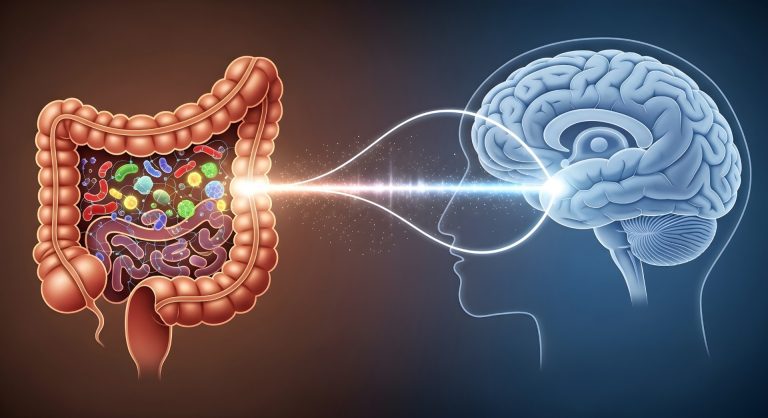
Stanford Study: Restoring Gut-Brain Communication Reverses Cognitive Decline in Aging Mice
Stanford Medicine researchers discovered that aging-related changes in gut bacteria composition trigger an inflammatory response that impair
 med.stanford.edu·3mo ago
Comments
Sign in to join the conversation.
No comments yet. Be the first.