
























OpenFrameworks Generative Art: Gradient Amoeba with Perlin Noise
Summary
This article contains source code for an openFrameworks application that generates a gradient amoeba-like visual pattern using Perlin noise. The code sets up a 720x720 canvas, iterates through coordinates with varying noise step values, and maps noise values to create a gradated, organic visual effect. It appears to be a creative coding sketch or generative art piece.
Source
Twitter / XOpenFrameworks Generative Art: Gradient Amoeba with Perlin Noisejunkiyoshi.comKey quotes
· 4 pulledfloat noise_step = flag ? 0.045 : 0.01;
float noise_value = ofMap(ofNoise(x *
ofSetWindowTitle("openFrameworks");
ofBackground(39);
You might also wanna read


Blender Tutorial: Creating Generative Animations with Geometry Nodes and Noise Fields
This Blender generative art tutorial by Polina Kotova demonstrates how to create dynamic animations using noise fields and Geometry Nodes wi
 Abduzeedo·6h ago
Perlin-Terminal: Terminal-Based Perlin Noise Animation Tool
Perlin-terminal is a command-line tool that creates beautiful Perlin noise animations in the terminal using 24-bit truecolor and half-block
 github.com·4mo ago
Real-Time AI Rendering of ASCII Game Graphics: A Technical Experiment
The article details an experimental project where the author transforms an ASCII-based dinosaur game called "Thunder Lizard" into real-time
 blog.jeffschomay.com·10mo ago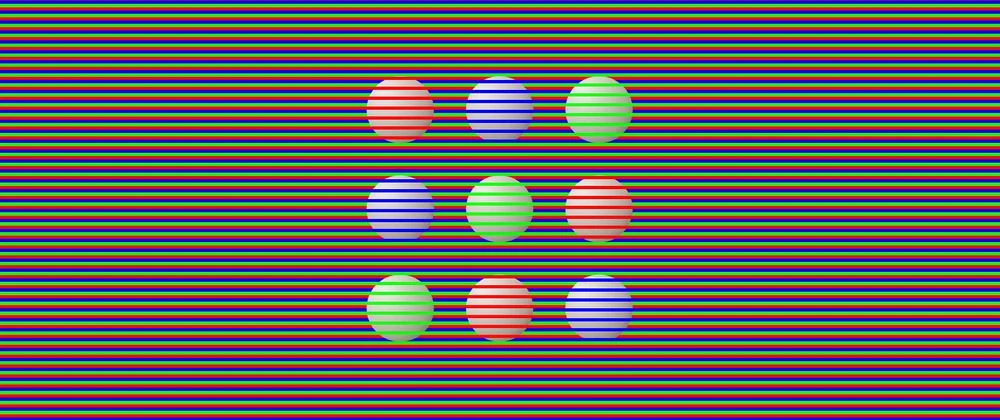
CSS Implementation of Optical Illusions: Visual Perception Effects Created with Web Technologies
This article presents a collection of 50+ optical illusions created using CSS and HTML, demonstrating how visual perception tricks can be im
 alvaromontoro.com·5mo ago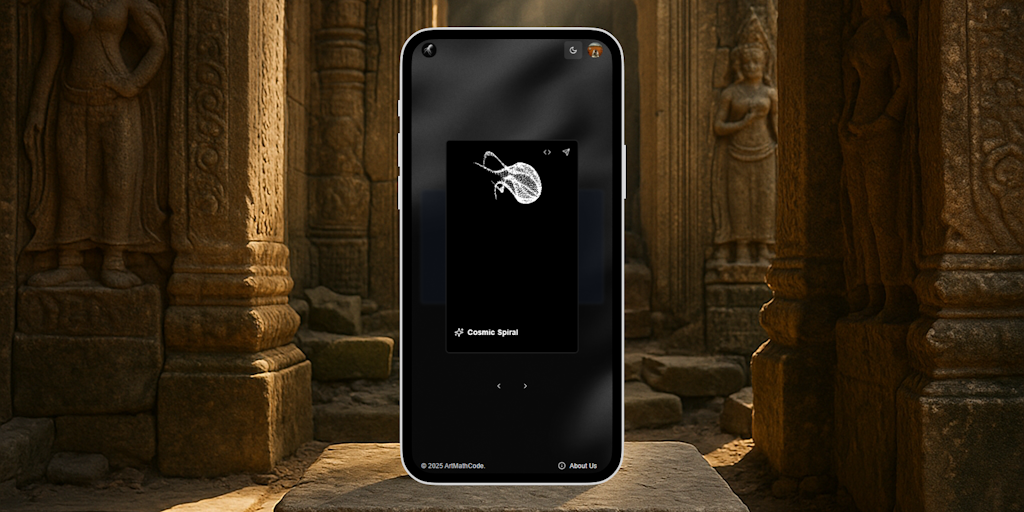
ArtMathCode: Interactive Mathematical Art and Generative Animations
ArtMathCode is an interactive platform that combines art, mathematics, and programming to create generative animations and visual patterns.
 Product Hunt·1y ago
Terrain Diffusion: A Diffusion-Based Framework for Infinite, Real-Time Terrain Generation
Researchers introduce Terrain Diffusion, a new generative framework that combines the fidelity of diffusion models with the infinite scalabi
 arxiv.org·6mo ago
Comments
Sign in to join the conversation.
No comments yet. Be the first.