
























Pacific newts: Toxic, cannibalistic amphibians of the West Coast forests
By
B. ‘Toastie’ Oaster
Summary
The article introduces the four species of Pacific newts (genus Taricha): the California newt, rough-skinned newt, red-bellied newt, and Sierra newt. These semiaquatic, nocturnal amphibians inhabit misty forests from Alaska to Southern California, hiding in underground spots to stay cool and moist. During winter rains, they emerge to migrate to lakes and streams for breeding. The newts are described as toxic, cannibalistic, and indiscriminately predatory, carrying a deadly poison.
Source
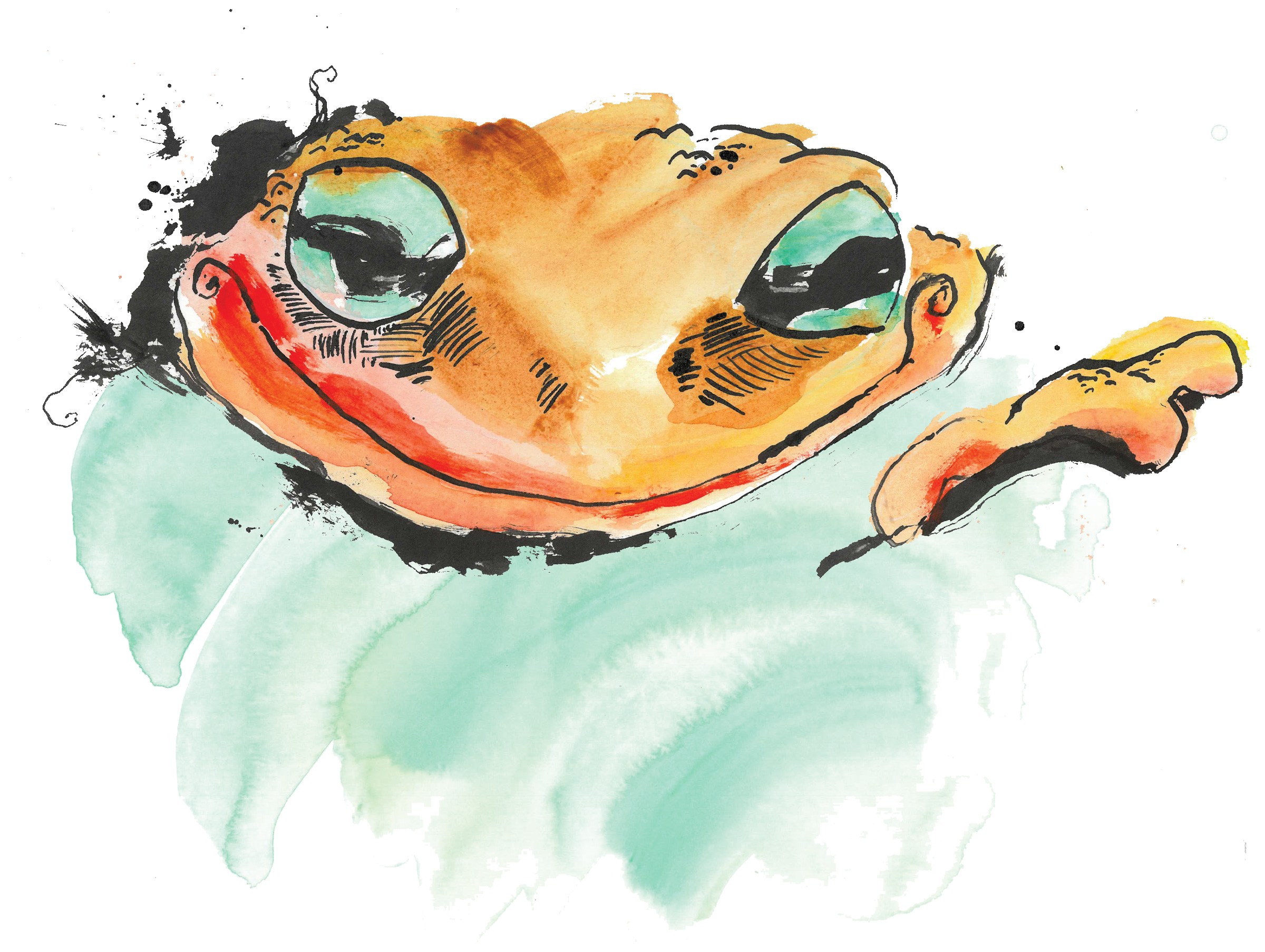
 bskyPacific newts: Toxic, cannibalistic amphibians of the West Coast forestsbuff.ly
Key quotes
· 3 pulledThe genus Taricha, or Pacific newts, includes four species of toxic cuties: the California newt, the rough-skinned newt, the red-bellied newt and the Sierra newt.
These semiaquatic, nocturnal amphibians live in misty forests from Alaska to Southern California, seeking underground spots like rodent burrows or cracks in granite where they can stay cool and moist.
When the winter rains arrive, they emerge from their hidey-holes and migrate to lakes and streams to breed.
You might also wanna read

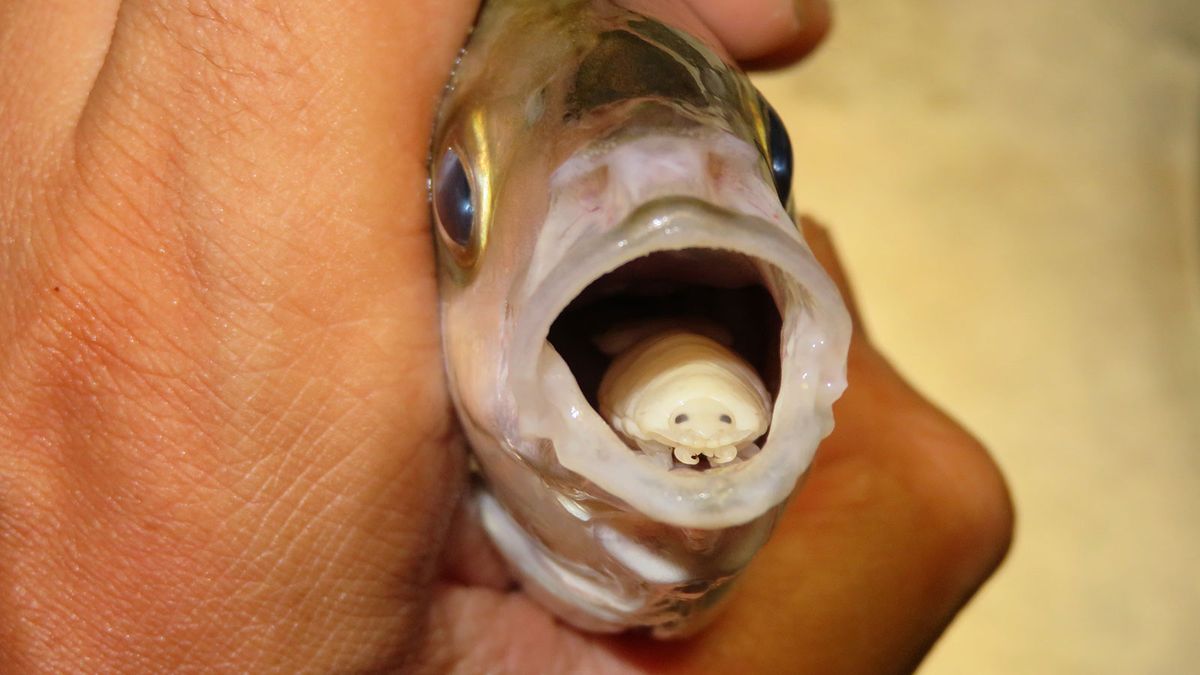
The Tongue-Eating Parasite Cymothoa exigua: How It Replaces Fish Tongues
The article explores the fascinating and gruesome parasitic relationship between Cymothoa exigua, a tongue-eating louse, and its fish hosts.
 animals.howstuffworks.com·6mo ago
Wild Pigs in California Found with Neon Blue Flesh, Prompting Alarm
Wildlife control expert Dan Burton discovered neon blue flesh in a wild pig he trapped in Salinas, California, prompting alarm. The unusual
 phys.org·10mo ago
:max_bytes(150000):strip_icc():focal(749x0:751x2)/Chloe-Julian5-dog-Bogey-050826-af6e9d5cedfb454b8d178ffc05d4b63e.jpg)
Dog Dies Three Days After Ingesting Toxic Mushroom During Walk in California
Chloe Julian's one-year-old red golden retriever, Bogey, died just three days after ingesting a toxic mushroom during a walk in Santa Clarit
 People.com·1mo ago
Genome sequencing of hallucinogenic Yunnan bolete reveals unknown compound behind visions
Researchers at the University of Utah have sequenced the genomes of 53 specimens of the Yunnan bolete mushroom, which causes hallucinations
 psychedelics.co.uk·12d ago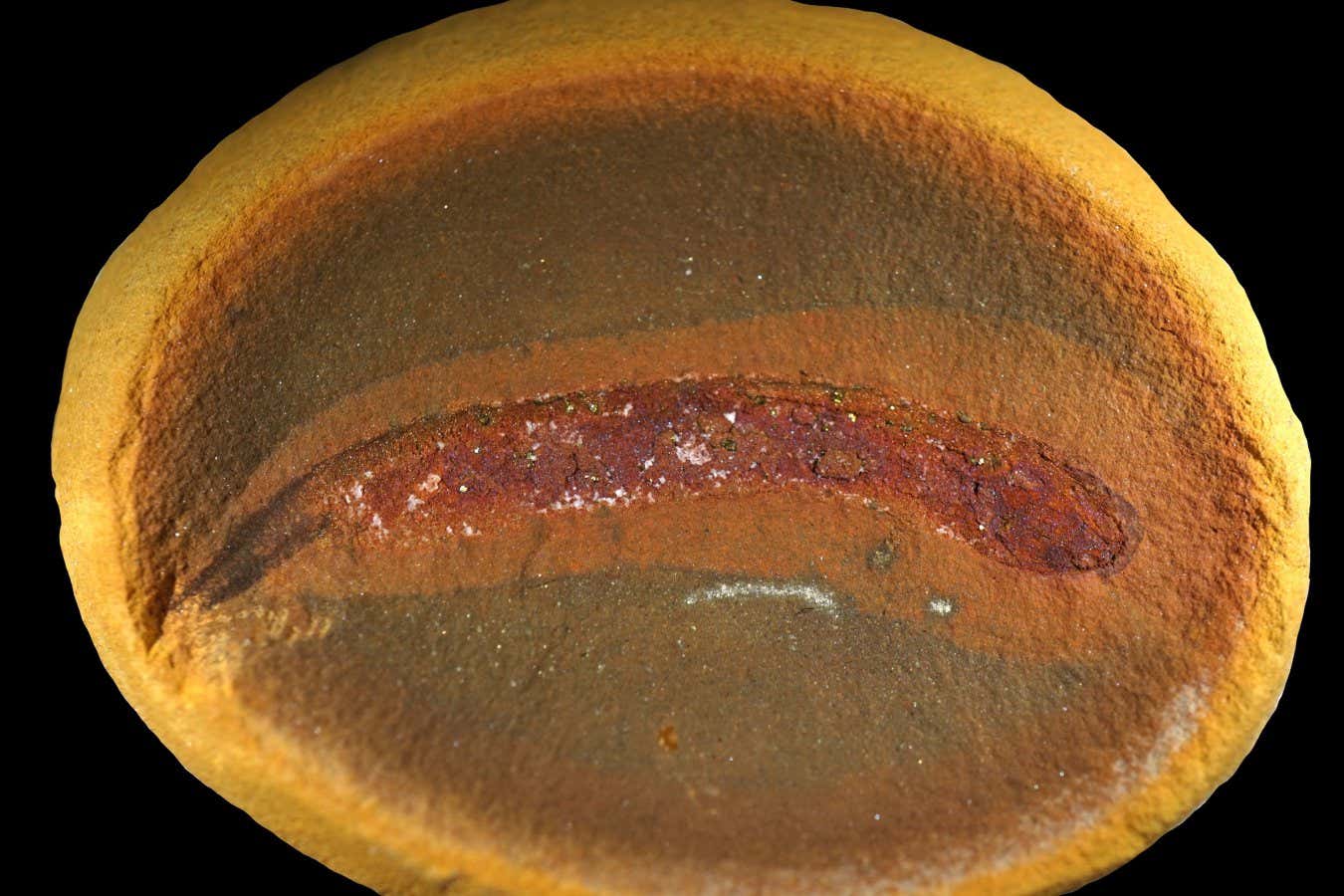
300-million-year-old fossils challenge theory that early land animals had amphibian-like life cycles
A set of exquisitely preserved 300-million-year-old fossils suggests that early four-limbed vertebrates (tetrapods) did not undergo metamorp
 newscientist.com·19h ago
Japanese Researchers Discover Frog Gut Bacteria with Potent Anticancer Properties
Japanese researchers at JAIST have discovered that Ewingella americana bacteria from Japanese tree frog intestines shows potent anticancer a
 jaist.ac.jp·6mo ago
Comments
Sign in to join the conversation.
No comments yet. Be the first.