
























Seal-safe fishing gear comparison: Pots, traps, fyke nets, and gillnets in the Baltic Sea cod fishery
By
Peter Ljungberg, Edmond Sacre, Daniel Rooth, Sara Königson
Summary
This scientific study evaluates four passive fishing gear types (pots, pontoon traps, fyke nets, and gillnets) in the Baltic Sea cod fishery to determine which are most compatible with recovering seal populations. The research found that while gillnets had the highest initial catch rates, they also suffered the most seal-induced damage, with over 50% of the catch affected. The study compares catchability, seal damage, handling time, and commercial viability across gear types, aiming to identify seal-safe alternatives that balance economic and ecological sustainability.
Source
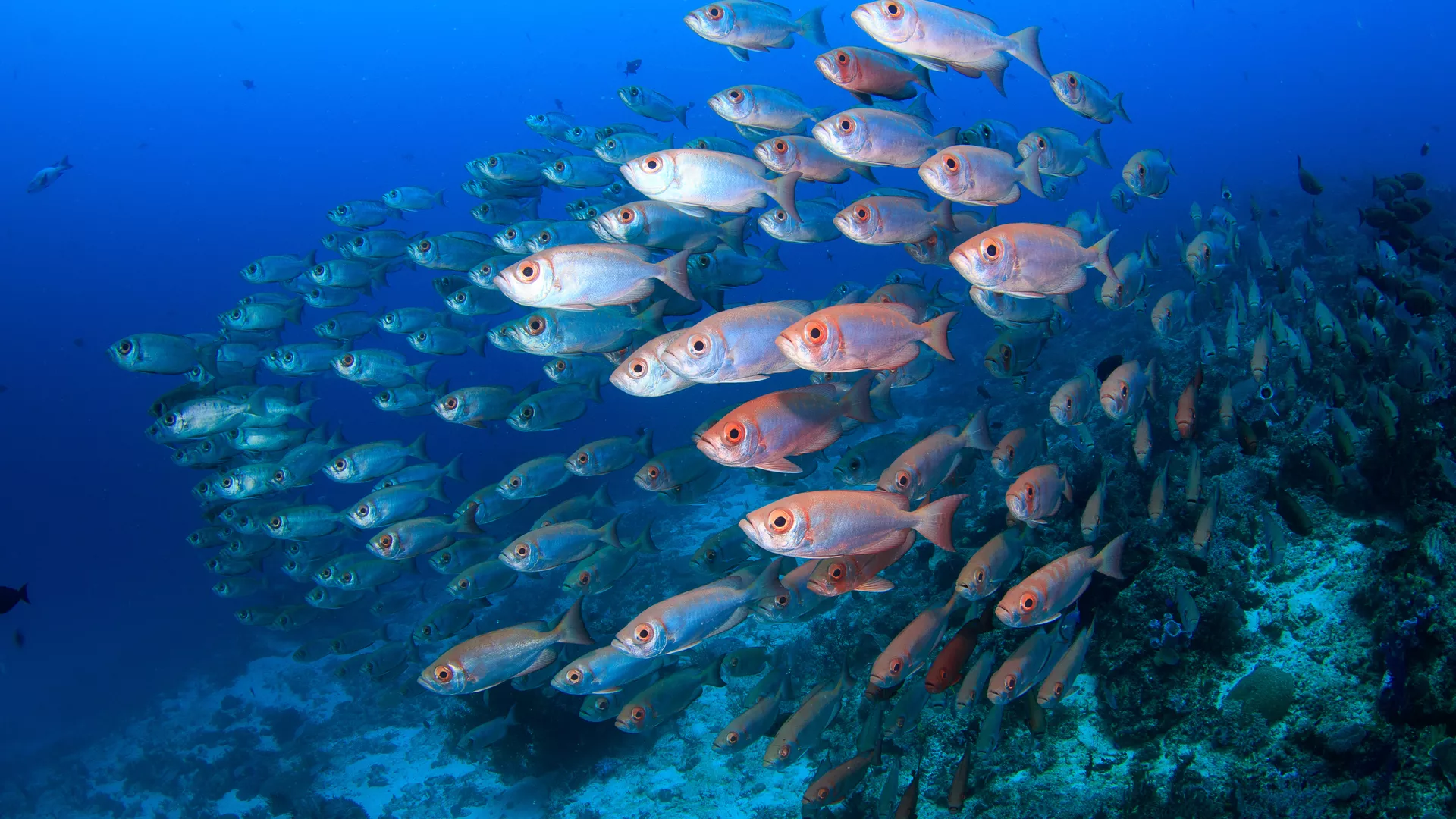
 bskySeal-safe fishing gear comparison: Pots, traps, fyke nets, and gillnets in the Baltic Sea cod fisheryfrontiersin.org
Key quotes
· 2 pulledResults indicated that while gillnets initially exhibited the highest catch rates, they also experienced the most substantial seal damage, with over 50% of the catch affected.
With recovering seal populations, there is a need to rethink fisheries technology and application to overcome economic and ecological obstacles while overcoming socially challenging situations.
You might also wanna read


Seabirds Exploit Pound Nets for Easy Prey in the Baltic Sea, Causing Fishery Losses
The article discusses how seabirds like cormorants, gulls, and terns are attracted to pound nets used by fisheries in the Western Baltic Sea
 Defector·1mo ago
The Environmental Impact of Fishmeal: How Aquaculture Depletes Wild Fish Populations
The article examines the environmental impact of industrial fishing for fishmeal used in aquaculture (farmed seafood). It describes how smal
 nautil.us·8mo ago
Study quantifies extreme weather impacts on marine predator breeding in Tasmanian climate hotspot
This scientific study examines how extreme weather events (EWEs) impact the breeding success of marine predators in Tasmania, Australia—a gl
 scim.ag·9d ago
Study quantifies extreme weather impacts on marine predator breeding in Tasmanian climate hotspot
This scientific study examines how extreme weather events (EWEs) impact the breeding success of marine predators in Tasmania, Australia—a gl
scim.ag·9d ago
Otters as Bioindicators of Estuarine Health: Research Gaps and Future Framework
This scientific synthesis article examines otters as bioindicators for estuarine health monitoring. It highlights how otters serve as integr
 emt.pensoft.net·4mo ago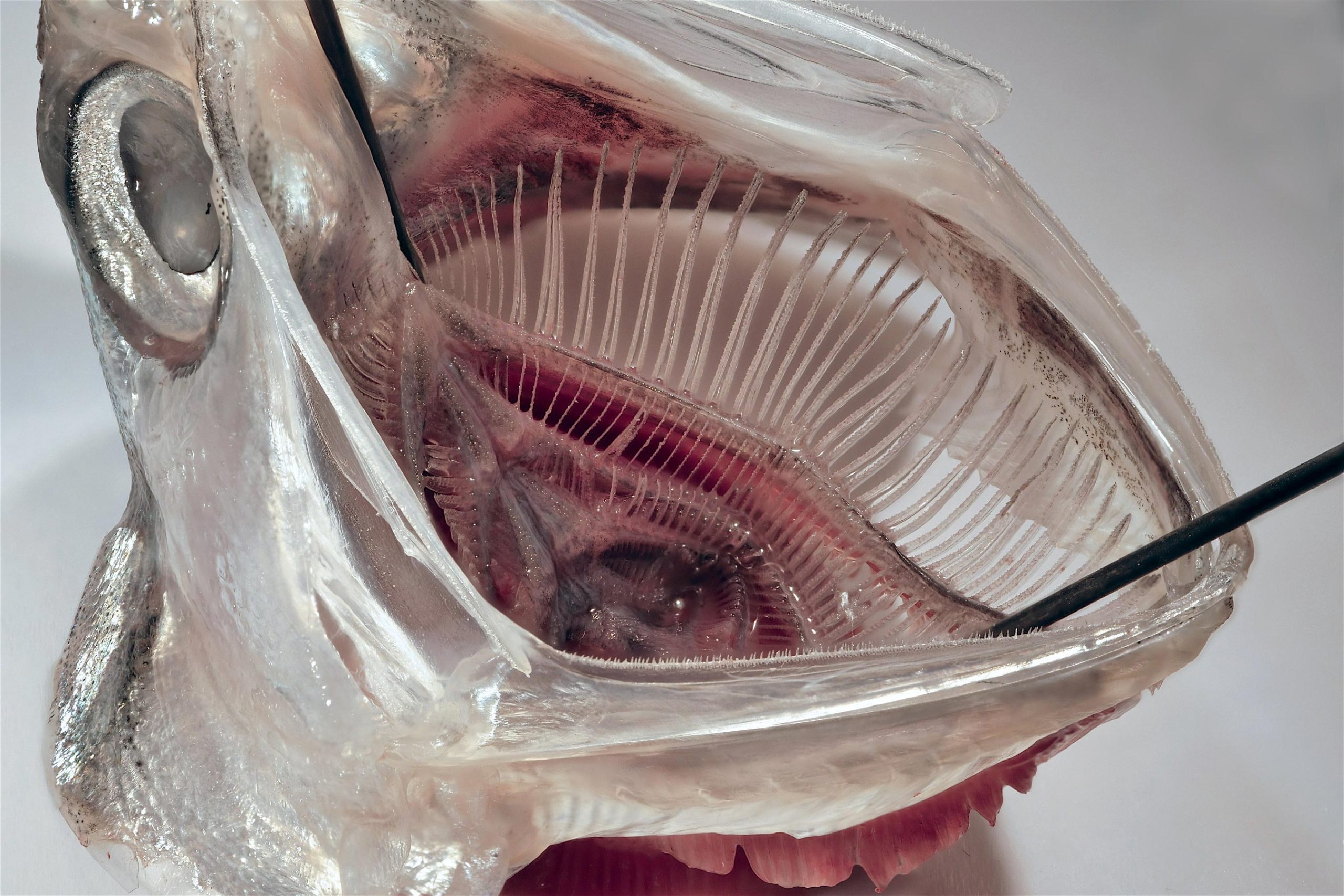
University of Bonn Researchers Develop Fish-Inspired Filter That Removes 99% of Microplastics from Wastewater
Researchers at the University of Bonn have developed a new filter inspired by fish gill arches that can remove over 99% of microplastics fro

Virginia Tech Scientists Enhance Fog Harp Design to Prevent Clogging
Virginia Tech scientists have developed an improved fog harp design to address clogging issues in fog-harvesting devices, enhancing water co
arstechnica.com·1y ago
Comments
Sign in to join the conversation.
No comments yet. Be the first.