
























Reconstructed Greek fisheries data reveals long-term recession, not recovery, from 1950 to 2022
This study presents an updated, spatially disaggregated reconstruction of Greek marine fisheries catches in the Aegean and eastern Ionian Seas from 1950 to 2022. It addresses long-standing issues of underreporting, taxonomic inconsistencies, and exclusion of discards, small-scale, and recreational catches in official Greek fisheries data. The findings indicate that Greek fisheries have experienced a recession rather than recovery, challenging official narratives and providing crucial data for ecosystem-based fisheries management and policy decisions.
Key quotes
Reliable fisheries catch data are essential for robust stock assessments, ecosystem modelling, and the testing of ecological hypotheses, thereby informing policy decisions that support sustainable ecosystem-based fisheries management.
Official Greek marine fisheries data have long suffered from underreporting, taxonomic inconsistencies, and the exclusion of discards, small-scale, and recreational catches.
This study presents an updated, spatially disaggregated reconstruction of Greek marine fisheries catches in the Aegean and eastern Ionian Seas from 1950 to 2022.
From the article
You might also wanna read


Estudo revela ligação entre declínio local de espécies e maior risco de extinção
Despite Decades of Warnings, British Fish Stocks Are Collapsing
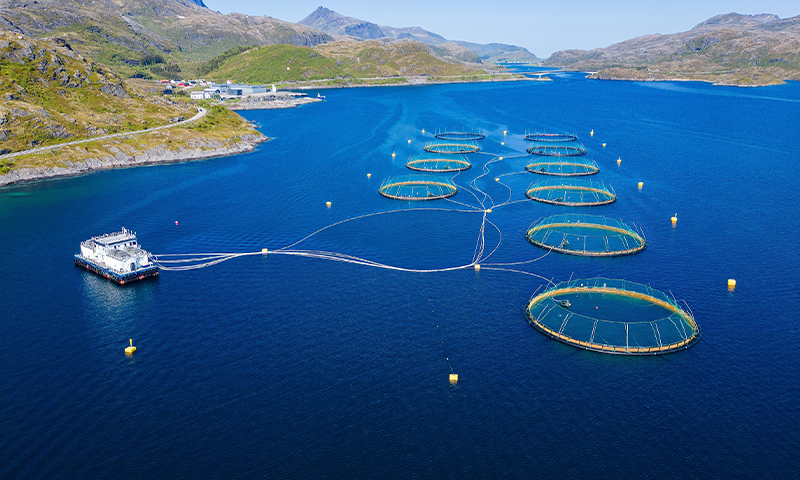
The Environmental Impact of Fishmeal: How Aquaculture Depletes Wild Fish Populations
The article examines the environmental impact of industrial fishing for fishmeal used in aquaculture (farmed seafood). It describes how smal
 nautil.us·8mo ago
V Simpósio Fluviário de Mora: Da Informação à Ação

Analysis of Diatom and Dinoflagellate Biomass Shifts in the North Atlantic Over Six Decades
The article discusses significant shifts in diatom and dinoflagellate biomass in the North Atlantic over six decades, highlighting decreases
journals.plos.org·1y ago
Comments
Sign in to join the conversation.
No comments yet. Be the first.