
























Rethinking database architecture: From monolithic storage to Lakebase and LTAP
By
Reynold Xin
Summary
The article discusses the evolution of database architecture, starting from the author's PhD experience at UC Berkeley where OLTP databases were considered a solved problem. It traces the journey from traditional monolithic databases through Databricks' development, leading to the concept of Lakebase (which externalizes Postgres log and data files into independent cloud services) and LTAP (which stores operational data once in open columnar formats readable by both Postgres and Lakehouse engines). The piece argues that traditional databases have fundamental flaws in their storage architecture, and proposes a rethinking of databases from the storage layer up to enable elastic compute, durable writes, and unified analytics without data duplication.
Source
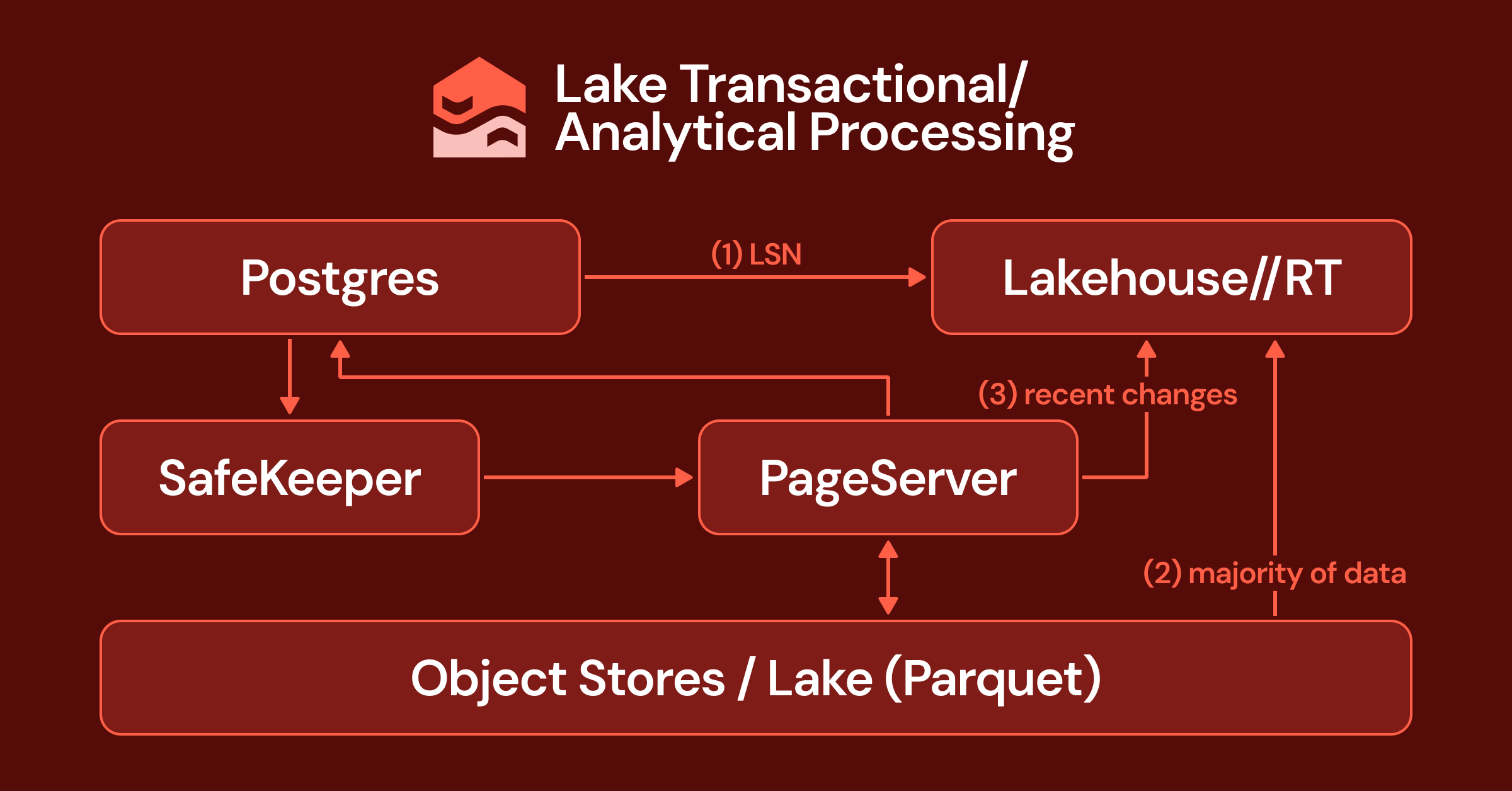
 bskyRethinking database architecture: From monolithic storage to Lakebase and LTAPdatabricks.com
Key quotes
· 3 pulledOLTP databases are a solved problem. They work. Focus on analytics.
OLTP databases were far from a solved problem: they were clunky, difficult to scale, and in...
Almost every traditional database keeps its write-ahead log and data files on one machine's disk, which is the root cause of data loss risk, expensive read replicas and high-availability clones, and analytics queries that drag down transactions.
You might also wanna read

Databricks Launches LTAP Architecture Unifying OLAP and OLTP on a Single Data Lake Copy
Databricks has launched LTAP (Lake Transactional/Analytical Processing), a new data architecture that unifies OLAP and OLTP workloads on a s
 databricks.com·14d ago
Rethinking Database Architecture for the SSD Era: Beyond Spinning Disk Constraints
The article explores how traditional relational databases (like Postgres, MySQL, SQLite) were designed for spinning disk era hardware and ex

How LLMs and AI agents are breaking the 20-year-old stateless compute architecture
The article argues that the foundational assumption of modern cloud-native architecture—that state lives in the database while compute is st
 zknill.io·1mo ago
Snowflake, Databricks, and Azure Ship Postgres-Compatible Databases with Custom Storage Engines
Three major cloud data platforms — Snowflake, Databricks, and Microsoft Azure — have all recently shipped Postgres-compatible databases with
Rethinking Database Usage: When File-Based Storage Might Be Better Than Traditional Databases
The article challenges conventional wisdom about database usage, arguing that databases are essentially just files on disk and that for many
 dbpro.app·2mo ago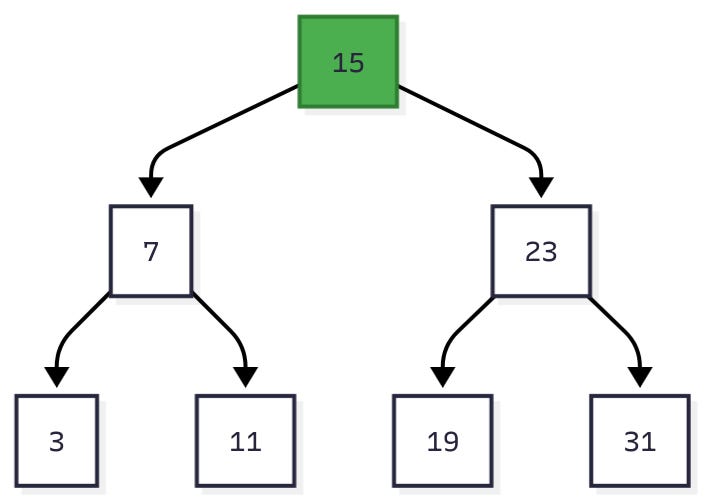
Understanding B-Trees: The Data Structure That Powers Database Performance on Disk
The article explains why B-Trees are the fundamental data structure used in databases for disk-based storage. Through a personal narrative o
 mehmetgoekce.substack.com·7mo ago
Comments
Sign in to join the conversation.
No comments yet. Be the first.