
























Understanding B-Trees: The Data Structure That Powers Database Performance on Disk
Understanding the data structure that makes databases fast on disk
Read the full articleYou might also wanna read
Building SaarDB Part 2: Why LSM Trees Replace WAL for Disk Storage
SaarDB's initial design relied on a Write Ahead Log (WAL) and an in-memory map, but this approach hits two key limits as data grows: the in-


B-Trees, LSM Trees, and the Indexing Tradeoff Spectrum
> **Cross-posted.** This article's canonical home is [Iceberg Lakehouse](
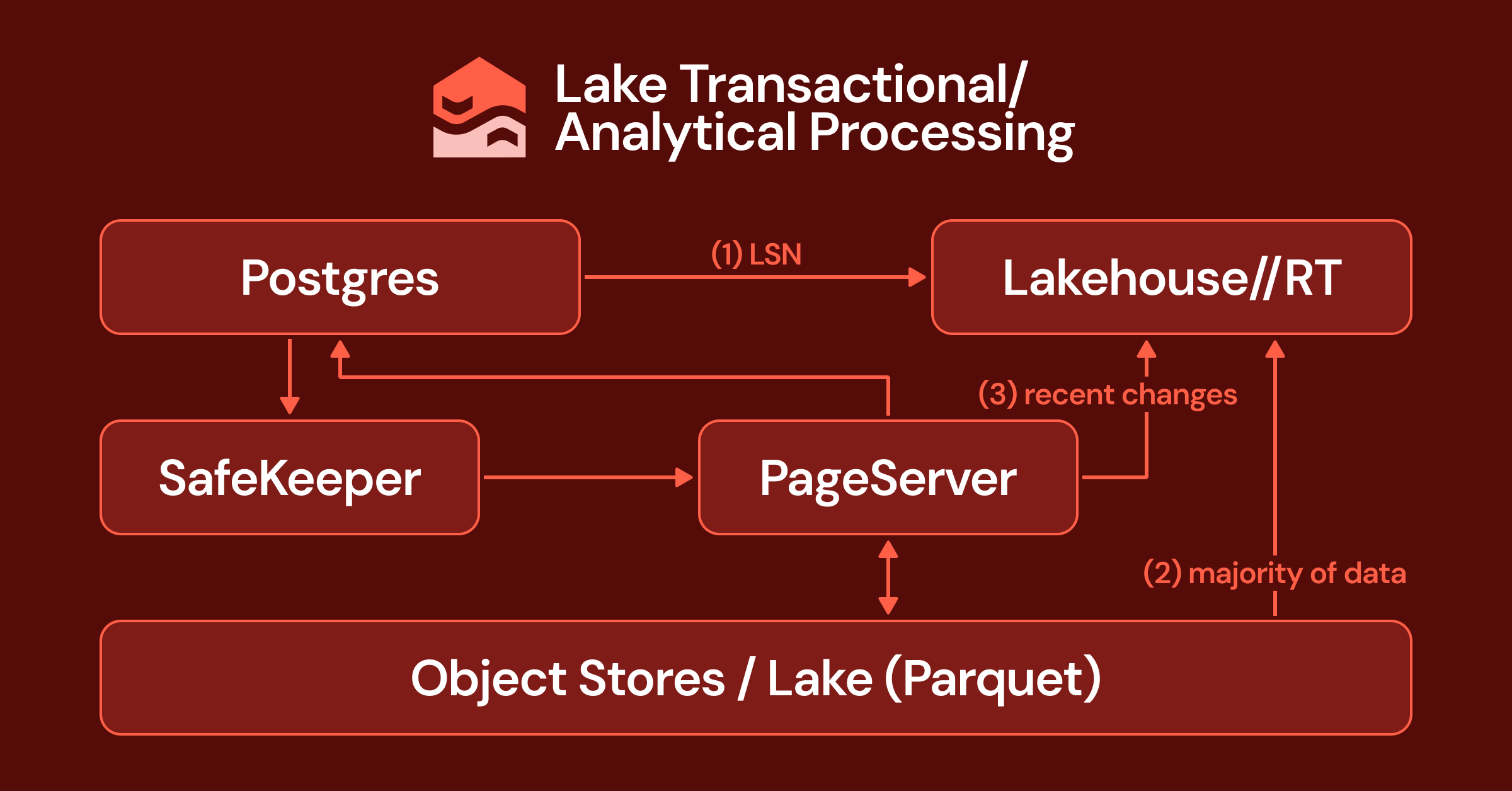
Rethinking database architecture: From monolithic storage to Lakebase and LTAP
* Almost every traditional database keeps its write-ahead log and data files on one machine's disk, which is the root cause of data loss ris
 databricks.com·17d ago
Rethinking database architecture: From monolithic storage to Lakebase and LTAP
* Almost every traditional database keeps its write-ahead log and data files on one machine's disk, which is the root cause of data loss ris
databricks.com·17d ago
B-Trees, LSM Trees, and the Indexing Tradeoff Spectrum
## Query Engine Optimization - Table of Contents 1. [How Query Engines Think: The Tradeoffs Behind Every Data System](/posts/2026-04-29-quer

Exploring Data Operations with PySpark, Pandas, DuckDB, Polars, and DataFusion in a Python Notebook
> **Cross-posted.** This article's canonical home is [Iceberg Lakehouse]( - [A...

Block vs. Object Storage: A Deep Dive Into the Foundation of Modern Data, and How the Lakehouse Made the Slow Option Fast
> **Cross-posted.** This article's canonical home is [iceberglakehouse.com]( *B...
Comments
Sign in to join the conversation.
No comments yet. Be the first.