





















FPGA-Based Java Processor Implementation for Accelerated Execution
By
mghackerlady

A bagel that needed a few more minutes. And maybe a fact-check.
Summary
This article describes a project to implement a Java processor on an FPGA (Field Programmable Gate Array) to accelerate Java program execution. The project addresses the performance limitations of traditional Java Virtual Machine (JVM) interpretation by creating a processor where Java bytecodes are native instructions, eliminating interpretation overhead. The FPGA implementation allows for post-deployment updates to keep pace with Java standards and enables application-specific hardware optimizations.
Key quotes
· 4 pulledThis project has developed a processor for which the bytecodes are the native instructions. This eliminates the time spent on interpretation and translation.
By developing the processor on a Field Programmable Gate Array (FPGA), the Java Machine can be kept up to date with the newest Java standards even after it is installation in the field.
The FPGA processor can also be optimized to specific applications by adding application specific hardware modules to speed up the processing.
The process of interpretation, along with functionality such as dynamic linking, Just-in-time compilation and on demand class loading, makes the execution of a Java application slower than compiled programs.
You might also wanna read

iRISC: A New Processor Architecture Combining RISC-V Open Source with Performance-Focused Design
The article discusses iRISC, a new processor architecture that combines RISC-V's open-source approach with Apple's performance-focused desig
polysoftit.co.uk·4mo ago
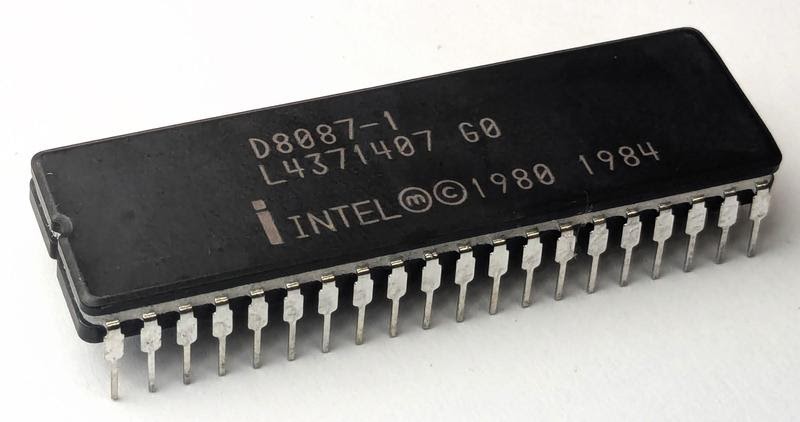
Reverse-engineering the Intel 8087: A look at microcode and register exchange
A detailed technical deep-dive into the Intel 8087 floating-point co-processor's microcode, specifically examining the register exchange ope
 righto.com·1d ago
z386: An Open-Source FPGA CPU Recreating the Intel 80386 with Original Microcode
The fifth installment of the 80386 series describes the z386, an open-source FPGA-based CPU that recreates a 386-class processor using the o
 nand2mario.github.io·8d ago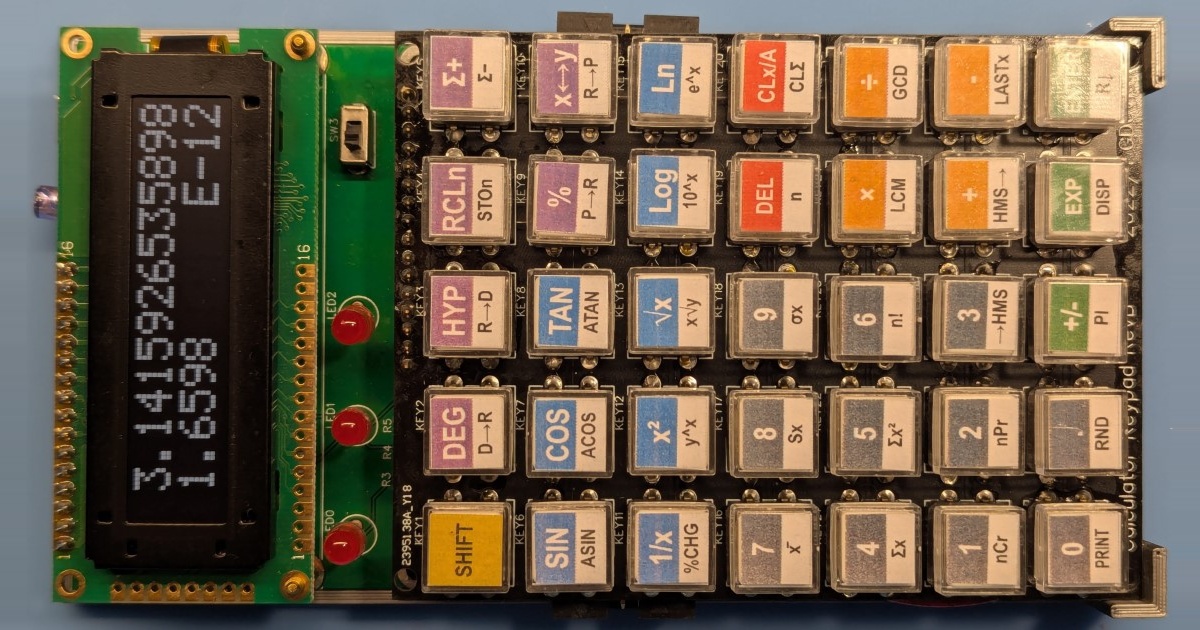
Building a BCD Scientific Calculator on FPGA: Architecture and Numerical Methods
This article details the design and implementation of a scientific calculator using binary-coded decimal (BCD) arithmetic on an FPGA. It cov

FPGA-Based Scientific Calculator with Custom Soft CPU and Microcode Firmware
This project implements a fully functional scientific calculator in hardware using an FPGA. It includes a custom soft CPU, microcode firmwar
 github.com·16d ago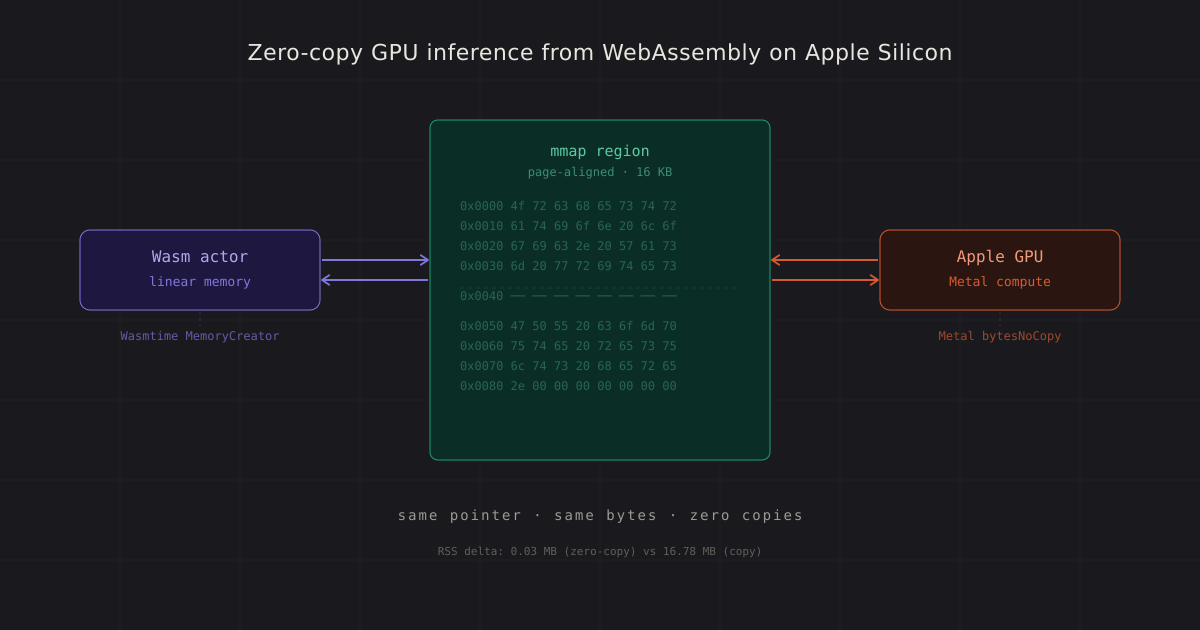
Zero-Copy GPU Inference from WebAssembly on Apple Silicon: Direct Memory Sharing Between Wasm and GPU
The article describes a technical breakthrough on Apple Silicon where WebAssembly modules can share linear memory directly with the GPU, ena
 abacusnoir.com·1mo ago