
























Building a BCD Scientific Calculator on FPGA: Architecture and Numerical Methods
This is a scientific BCD calculator that uses binary-coded decimals, the same internal number format HP used in its scientific…
Read the full articleYou might also wanna read
Advent of FPGA — A Jane Street Challenge
Update: We got over 200 submissions to this challenge, spanning a wide variety of HDL languages and hardware platforms! We featured our favo
Results from the Advent of FPGA Challenge
At the end of last year, we decided to try something new: a challenge that would run alongside Advent of Code , where we asked the community

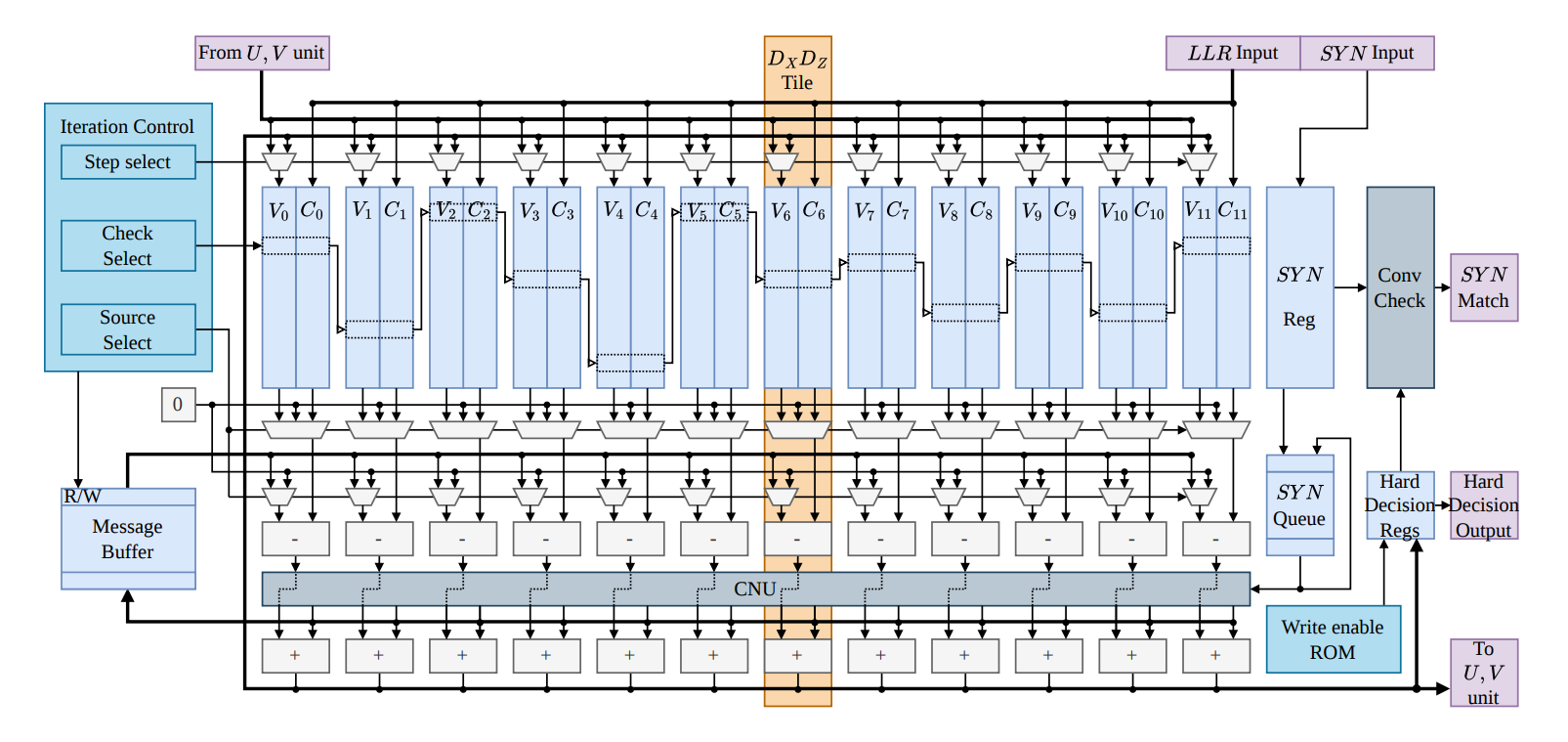
FPGA-Based Hardware Architecture Enables Real-Time Decoding of Quantum LDPC Codes
The architecture for the DX, DZ decoder. Memory elements shown in blue (light for RAM, dark for ROM). I/O in purple. Sub-modules in gray. Re
 quantumcomputingreport.com·21d ago
Why division is computationally harder than other arithmetic operations in CPUs
I recently encountered a case where I needed an integer division operation on a chip that lacked one (ARM Cortex-A8). While trying to resear
 scicomp.stackexchange.com·15d ago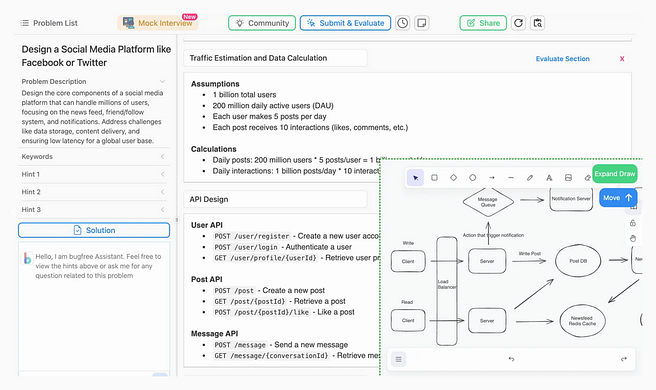
A New Platform Brings LeetCode-Style Hands-On Practice to System Design Interview Preparation
Java Programming tutorials and Interview Questions, book and course recommendations from Udemy, Pluralsight, Coursera, edX etc
 java67.com·18d ago
The hardest floating-point logarithm to compute correctly
The floating point number that requires the most extra precision to compute correctly to the last bit.
 johndcook.com·22d ago
Comments
Sign in to join the conversation.
No comments yet. Be the first.