
























Five lessons from building evidence-strength scoring into an AI policy tool
By
Author
Summary
This article discusses five key lessons learned from building evidence-strength scoring into Policy Atlas, an AI tool designed to support policy decisions. The first lesson emphasizes that relevant evidence is not always strong evidence — different types of evidence (systematic reviews, observational studies, policy reports) vary in methodological rigor, transparency, and trustworthiness for causal claims. The tool aims to help users understand what kind of evidence they're looking at and how much weight to place on it.
Source

 bskyFive lessons from building evidence-strength scoring into an AI policy toolnesta.org.uk
Key quotes
· 4 pulledThe evidence retrieved by Policy Atlas does not all have the same methodological strength.
A systematic review, a single observational study and a policy report may all be relevant to the same question, but should not be interpreted in the same way.
They differ in how evidence is gathered, how transparent the methodology is, and how much they can be trusted in supporting a causal claim.
To support policy decisions, Policy Atlas needs to help users understand the kind of evidence they are looking at, how much weight to place on it and how much confidence to place in the assessment.
You might also wanna read

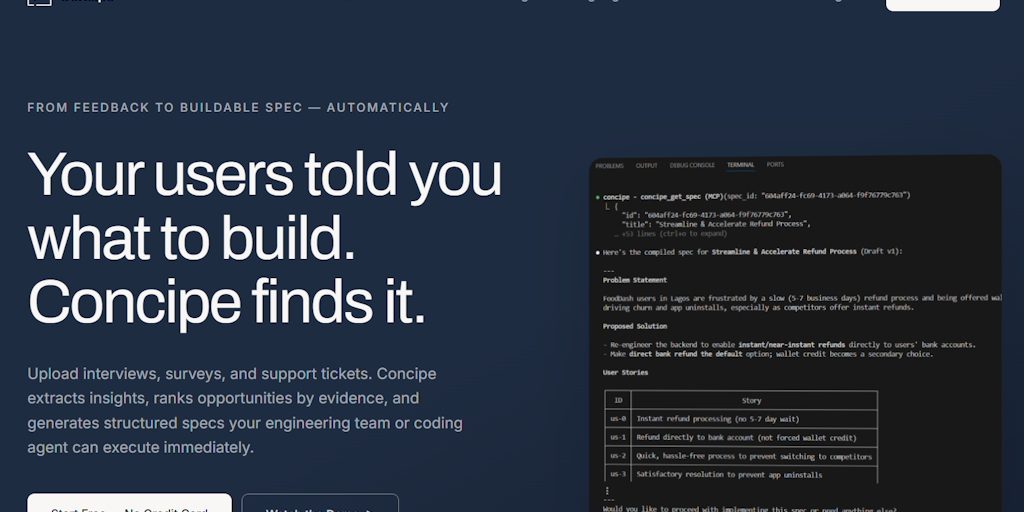
Concipe: AI-Powered Tool for Evidence-Based Product Decisions from Team Feedback
Concipe is a product that helps teams make evidence-backed product decisions by aggregating scattered feedback from various sources like Sla
 Product Hunt·3mo ago
Oxford-led study finds AI evaluation benchmarks lack scientific rigor
A comprehensive study led by Oxford Internet Institute involving 42 researchers from leading global institutions found that many tests used
 oii.ox.ac.uk·7mo ago
Balancing Domain Knowledge and General-Purpose Methods in AI Research
The article discusses the concept of 'The Bitter Lesson' in AI research, highlighting the balance between domain knowledge and general-purpo
assaf-pinhasi.medium.com·11mo ago
State AI Pilot Programs Need Clearer Metrics and Statewide Scaling Strategies
State governments are launching AI pilot programs, but most remain siloed and fail to scale statewide. The article argues that without clear
AI-Driven Persuasion Technologies and Democratic Governance: How Reduced Persuasion Costs Enable Strategic Polarization
This academic article examines how AI-driven persuasion technologies are transforming democratic governance by dramatically reducing the cos
 arxiv.org·6mo ago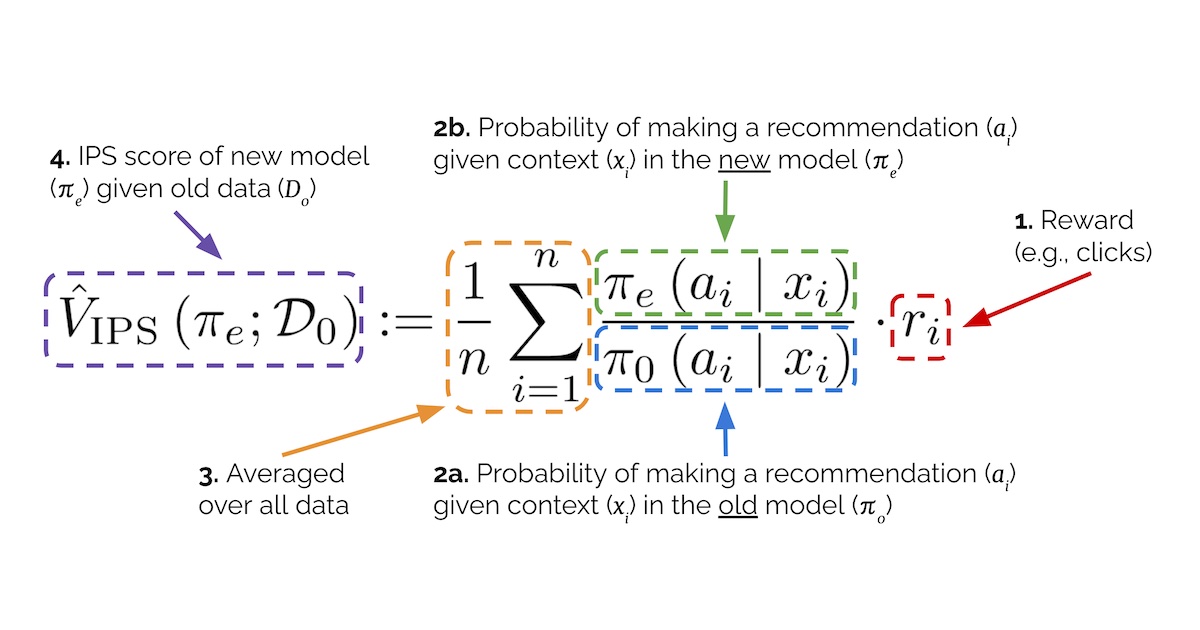
Counterfactual Evaluation Methods for Recommendation Systems: Addressing Causal Effects in Offline Assessment
This article discusses the limitations of traditional offline evaluation methods for recommendation systems, which treat recommendations as
 eugeneyan.com·5mo ago
Comments
Sign in to join the conversation.
No comments yet. Be the first.