





















Counterfactual Evaluation Methods for Recommendation Systems: Addressing Causal Effects in Offline Assessment
By
kurinikku

Master baker tier. Every paragraph earns its place on the tray.
Summary
This article discusses the limitations of traditional offline evaluation methods for recommendation systems, which treat recommendations as observational data rather than accounting for their causal effects on user behavior. The author explains that standard evaluation approaches (using metrics like recall, precision, and NDCG) fail to consider that recommendations themselves influence what users click or purchase, creating a feedback loop. The article introduces counterfactual evaluation methods, including inverse propensity scoring, which aim to provide more accurate assessments by accounting for this causal relationship between recommendations and user interactions.
Key quotes
· 4 pulledBut don't our recommendations change how customers click or purchase? If customers can only interact with items we recommend, then our evaluation data is biased by our own recommendations.
This is similar to how we evaluate supervised machine learning models and doesn't seem unusual at first glance.
Thinking about recsys as interventional vs. observational, and inverse propensity scoring.
When I first started working on recommendation systems, I thought there was something weird about the way we did offline evaluation.
You might also wanna read


MLJAR Studio: A Private, Local AI Platform for Data Analysis and Machine Learning
MLJAR Studio is a private, locally-run AI data analysis platform that allows users to interact with their data using natural language, autom
 mljar.com·29d ago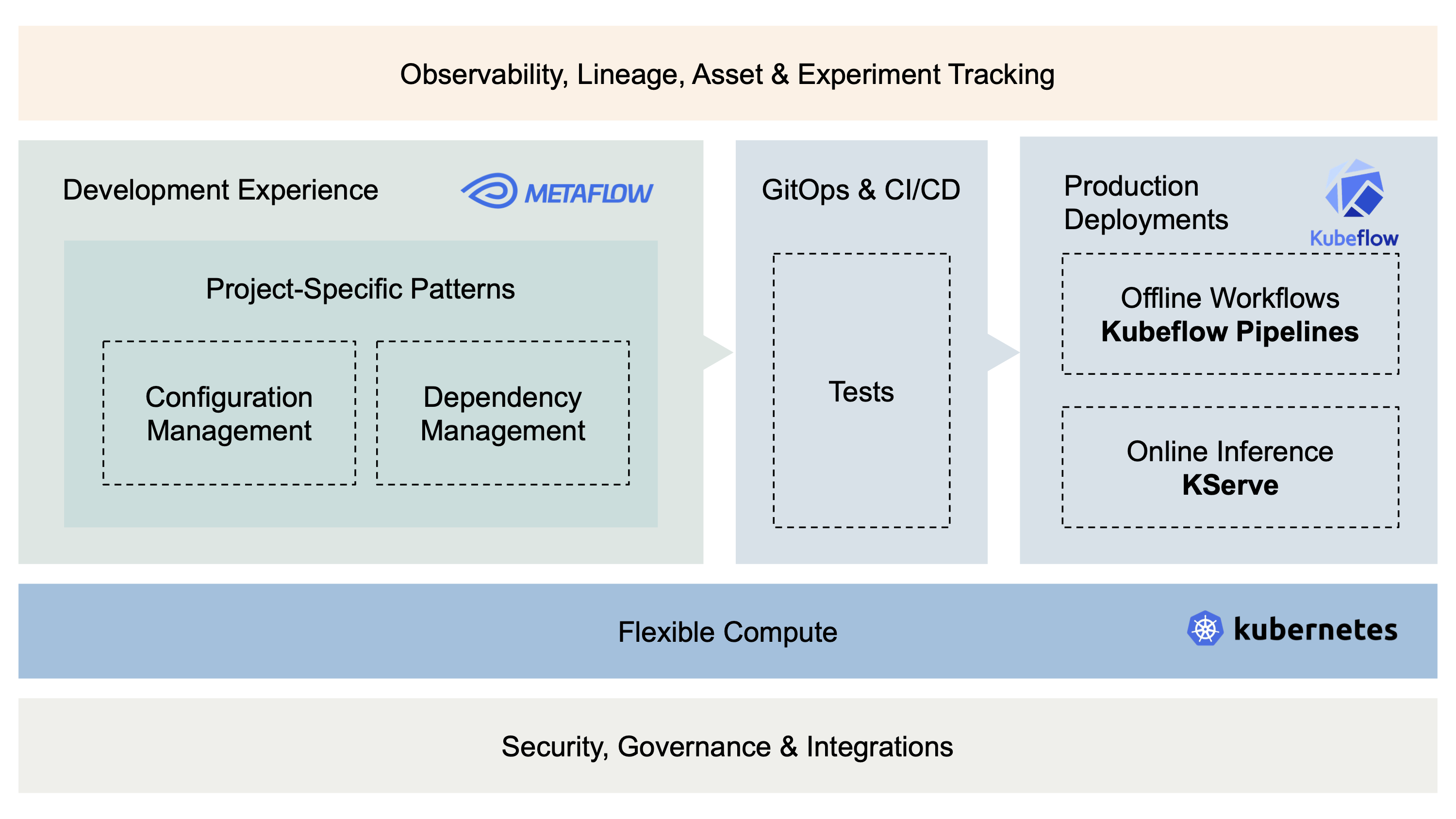
Metaflow and Kubeflow Integration: Combining Data Science Productivity with Scalable ML Infrastructure
The article introduces the integration between Metaflow and Kubeflow, two machine learning workflow frameworks. Metaflow, originally develop
 blog.kubeflow.org·3mo ago
ClickHouse Releases Hacker News Vector Search Dataset with 28.7 Million Postings
ClickHouse has released a comprehensive vector search dataset containing 28.74 million Hacker News postings with their corresponding vector
 clickhouse.com·6mo ago
Efficient Training Data Reduction Using High-Fidelity Labels and Human Expertise
The article describes a process for achieving significant training data reduction by using a zero- or few-shot initial model (LLM-0) to labe
 research.google·9mo ago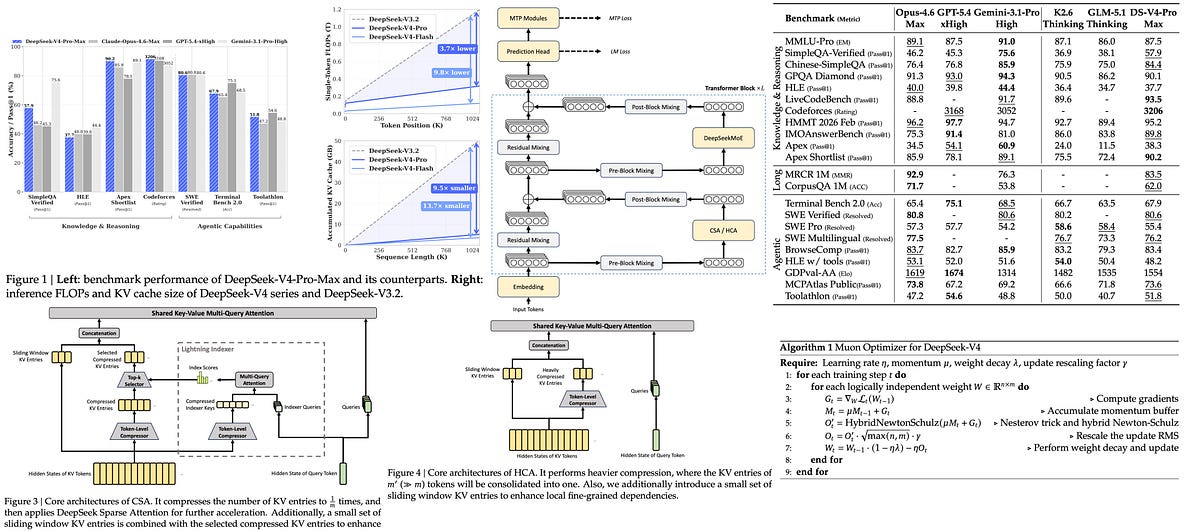
DeepSeek-V4: Hybrid Sparse-Attention Architecture Enables Efficient Million-Token Context Inference
DeepSeek-V4 introduces a hybrid sparse-attention architecture combined with on-policy distillation across domain specialists, enabling 1M-to
 artgor.medium.com·6h ago
Rotary GPU: Enabling Large Mixture-of-Experts Models on Consumer Laptop GPUs with Limited Memory
This paper presents Rotary GPU, an exploratory approach to running large Mixture-of-Experts (MoE) language models on consumer-grade hardware
 arxiv.org·1d ago