

























Mayo Clinic's BIONIC Program: A Decade of Neurological Innovation Goes Global
By
Alison Caldwell, Ph.D.
Summary
Mayo Clinic neurologist Dr. Gregory Worrell discusses the BIONIC program, a decade-in-the-making initiative that leverages emerging device and digital technologies to advance neurological care globally. Rather than viewing it as futuristic, Worrell sees BIONIC as the logical next step in the pioneering neurological work Mayo Clinic has been doing for years, aiming to scale their efforts and make major advancements in the field.
Source

 Twitter / XMayo Clinic's BIONIC Program: A Decade of Neurological Innovation Goes Globalmayocl.in
Key quotes
· 3 pulledTo Gregory Worrell, M.D., Ph.D., William L. McKnight-3M Professor of Neuroscience, BIONIC doesn't feel futuristic, but rather like the next logical innovation in neurological care — work Mayo Clinic has pioneered for years.
We've already invested over a decade into building the scientific, technical, clinical and ethical foundation of this program.
BIONIC is our opportunity to harness emerging device and digital technologies to scale this work globally and make major advancements rather than incremental ones.
You might also wanna read

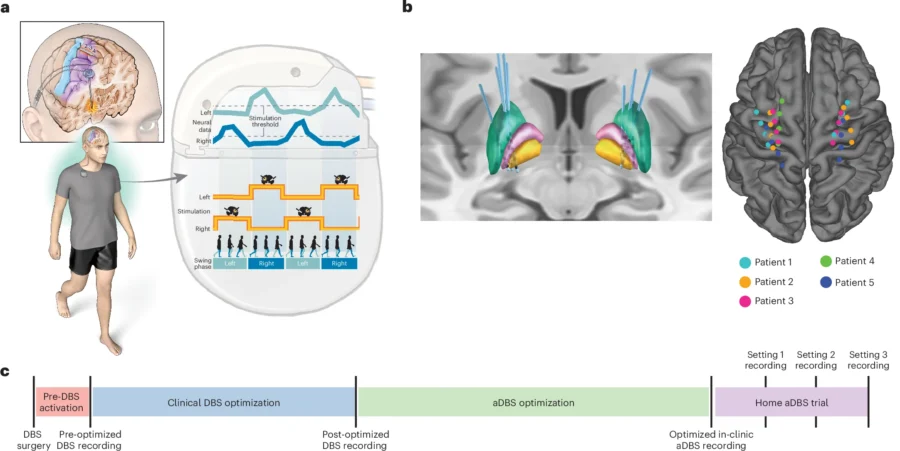
UC San Francisco develops brain implant that detects footsteps and reduces falls in Parkinson's patients
A team at UC San Francisco has developed a brain implant that reads neural signals associated with walking and adjusts deep brain stimulatio
 scienceblog.com·6d ago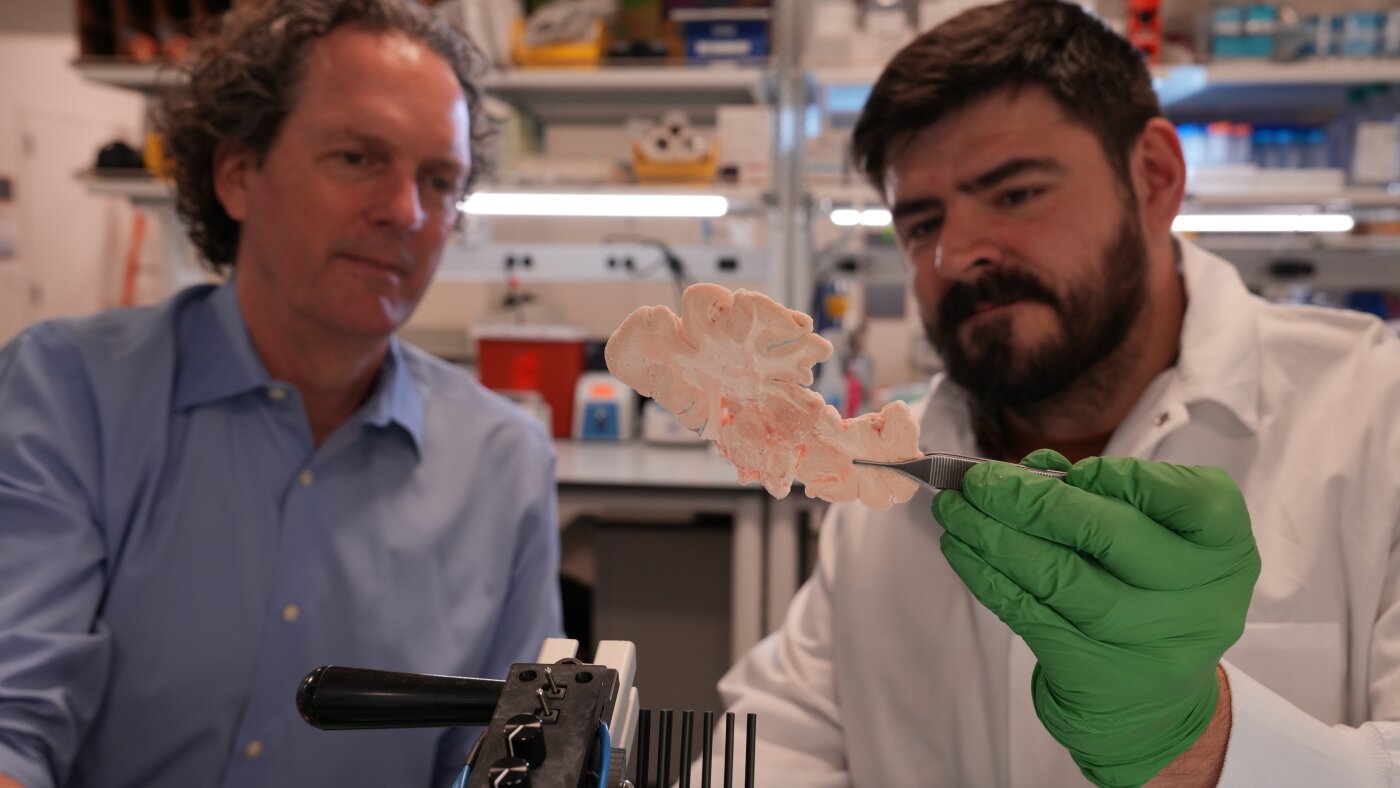
Allen Institute launches $400M Brain Health accelerator to develop genetic therapies for neurodegenerative diseases
The Allen Institute in Seattle has launched the Brain Health accelerator, a $400 million initiative aimed at developing genetic therapies (i
 npr.org·14d ago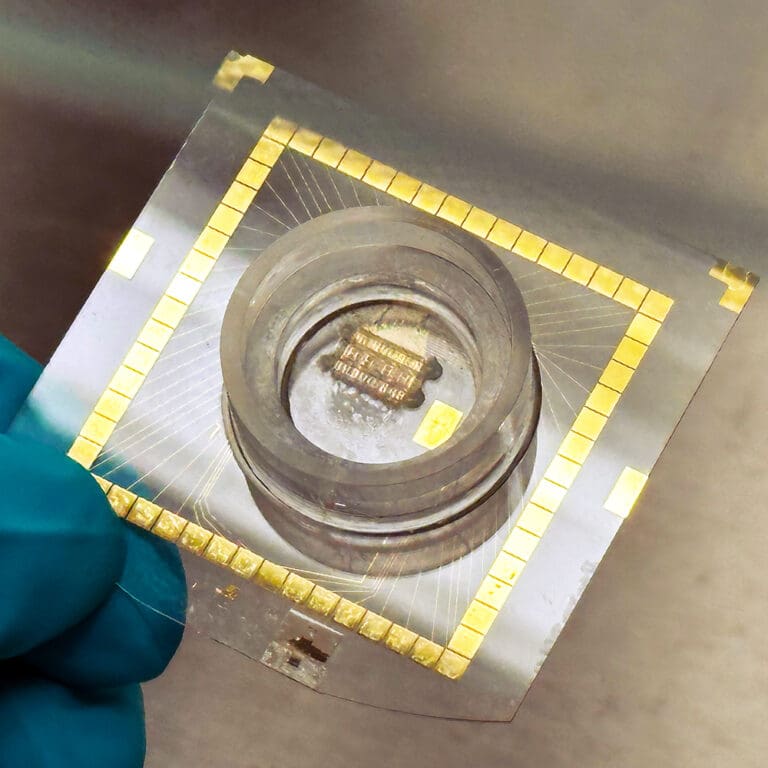
Princeton researchers create 3D brain-computer hybrid device with 70,000 living neurons
Princeton University researchers have developed a 3D device that integrates roughly 70,000 living biological neurons with electronics to per
 ethicalpsychology.com·6d ago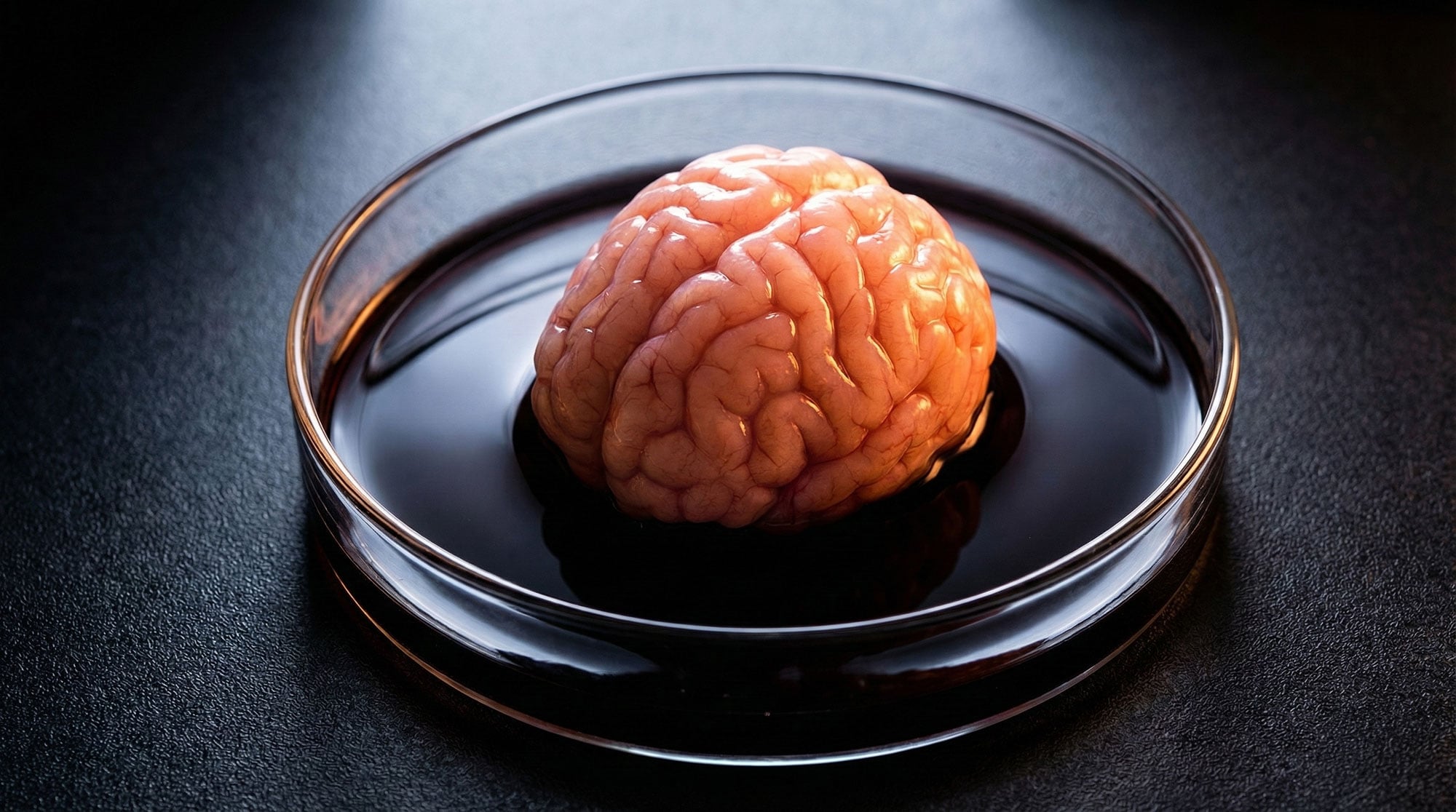
Johns Hopkins Researchers Develop Brain Organoids to Uncover Biological Differences in Alzheimer's Patients
Researchers at Johns Hopkins Medicine have developed patient-derived brain organoids (mini lab-grown brain models) that may help explain why

Neuroscientist shares 6 sustainable habits for brain health without constant optimization
Neuroscientist Alex Korb shares six practical habits for maintaining brain health without resorting to extreme optimization. The routine emp
 cnb.cx·1d ago
China's NEO Brain Chip Advances Toward Commercial Use and Health Insurance Coverage
China's NEO brain-computer interface (BCI) developed by Neuracle is advancing toward commercial availability and potential inclusion in heal
 bgr.com·7d ago
Comments
Sign in to join the conversation.
No comments yet. Be the first.