
























Distributed Online Stochastic Convex-Concave Optimization: Dynamic Regret Analyses Under Single and Multiple Consensus Steps
Source
IEEEDistributed Online Stochastic Convex-Concave Optimization: Dynamic Regret Analyses Under Single and Multiple Consensus Stepsieee.orgYou might also wanna read

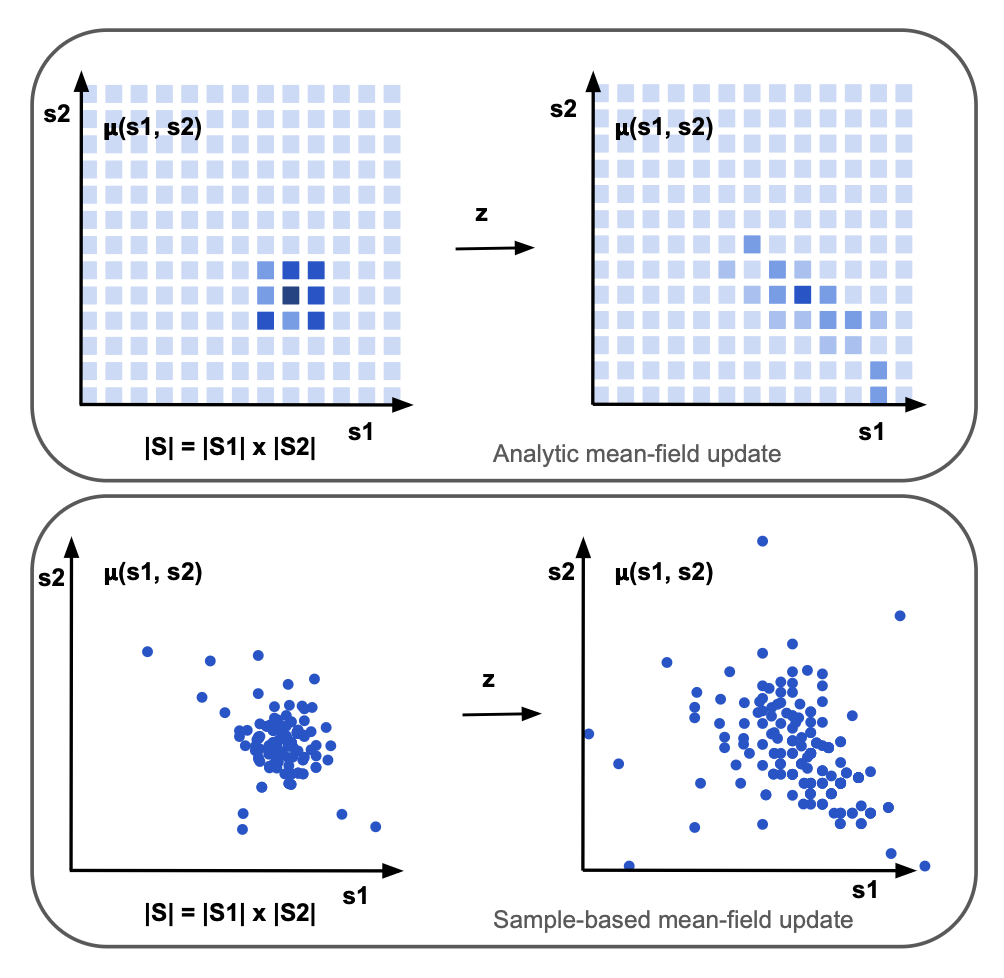
Recurrent Structural Policy Gradient: A Method for Partially Observable Mean Field Games
This article introduces Recurrent Structural Policy Gradient (RSPG), a hybrid structural method for learning history-dependent policies in P

Unified Framework for Black-Box Optimization Reveals Hybrid Methods Outperform Constituent Algorithms
This paper presents a unified theoretical framework connecting several black-box optimization (BBO) methods — Evolution Strategies (ES), Con
 arxiv.org·5d ago
Unified Framework for Black-Box Optimization Reveals Hybrid Methods Outperform Constituent Algorithms
This paper presents a unified theoretical framework connecting several black-box optimization (BBO) methods — Evolution Strategies (ES), Con
arxiv.org·5d ago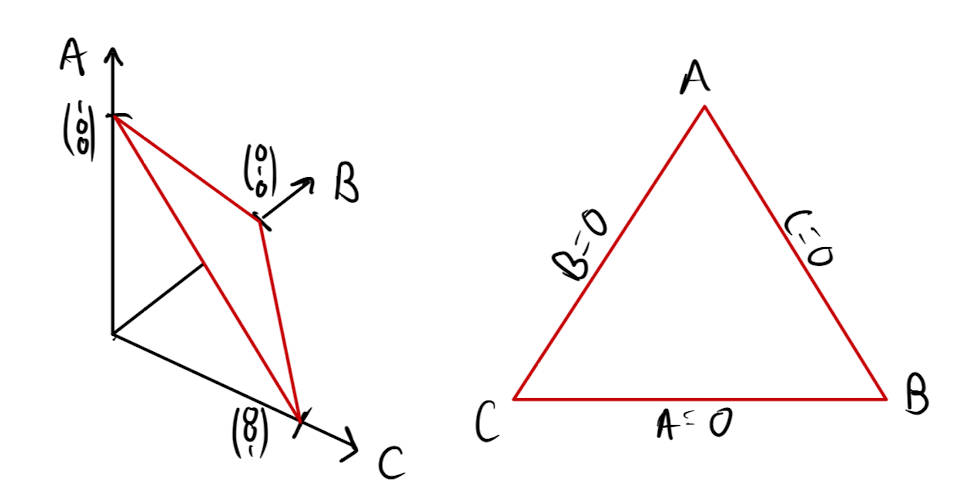
Reflecting on Optimisation: A Personal Take on Theory vs. Modern Practice
Magnus Ross reflects on his lack of deep study in optimisation, admitting he knows the basics (Adam, AdaGrad, L-BFGS) but zones out when dis

Contextual Rollout Bandits: A Neural Scheduling Framework for Efficient Reinforcement Learning with Verifiable Rewards
This paper introduces Contextual Rollout Bandits, a novel framework for Reinforcement Learning with Verifiable Rewards (RLVR) that addresses
arxiv.org·1mo ago
Adaptive LLM Routing Using Contextual Bandits and Shared Embedding Space
This research paper proposes a novel approach to LLM routing that treats it as a contextual bandit problem rather than supervised learning.
arxiv.org·10mo ago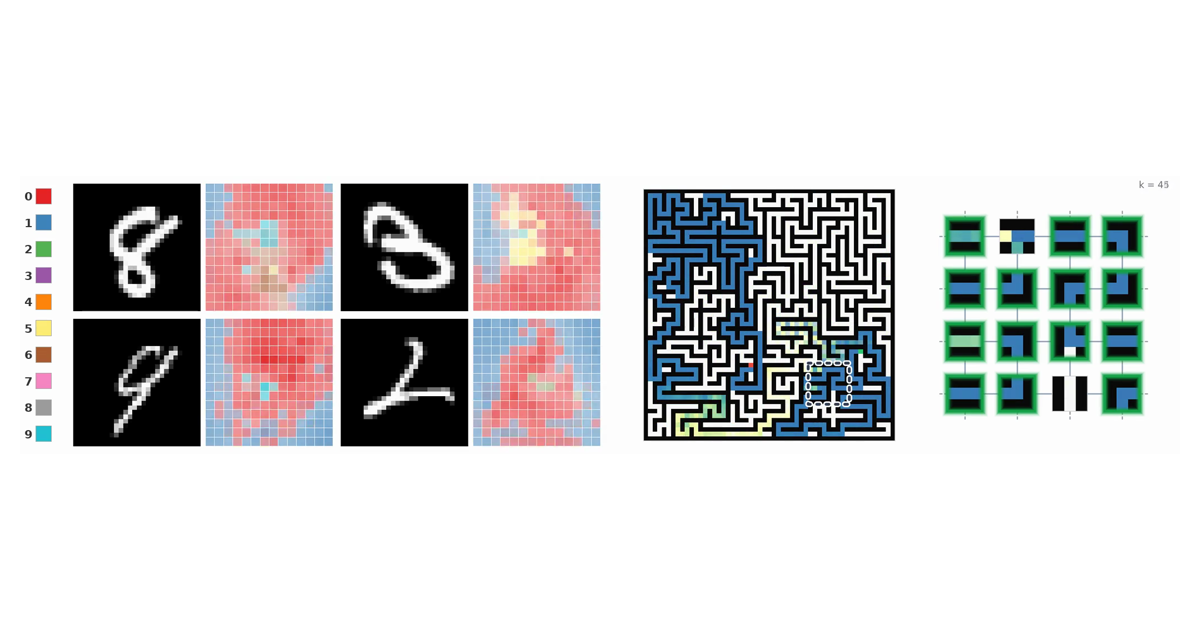
Sheaf-ADMM: A Distributed Consensus Neural Network for Multi-Agent Coordination
This article introduces Sheaf-ADMM, a novel neural network architecture built on the intersection of sheaf theory and the Alternating Direct
 pub.sakana.ai·4d ago
Comments
Sign in to join the conversation.
No comments yet. Be the first.