
























Deep learning reveals nanoparticle shape from routine tracking analysis without new hardware
1d agoen
From the article
Researchers at the University of Tokyo and the Innovation Center of NanoMedicine (iCONM) have developed an artificial intelligence (AI) approach that identifies the morphology of nanoparticles in liquid using data from standard nanoparticle tracking analysis (NTA), a widely used technique for particle sizing. The method achieved classification accuracies exceeding 80% for non-spherical nanoparticles without requiring modification of existing instruments.
Continue reading on PhysYou might also wanna read

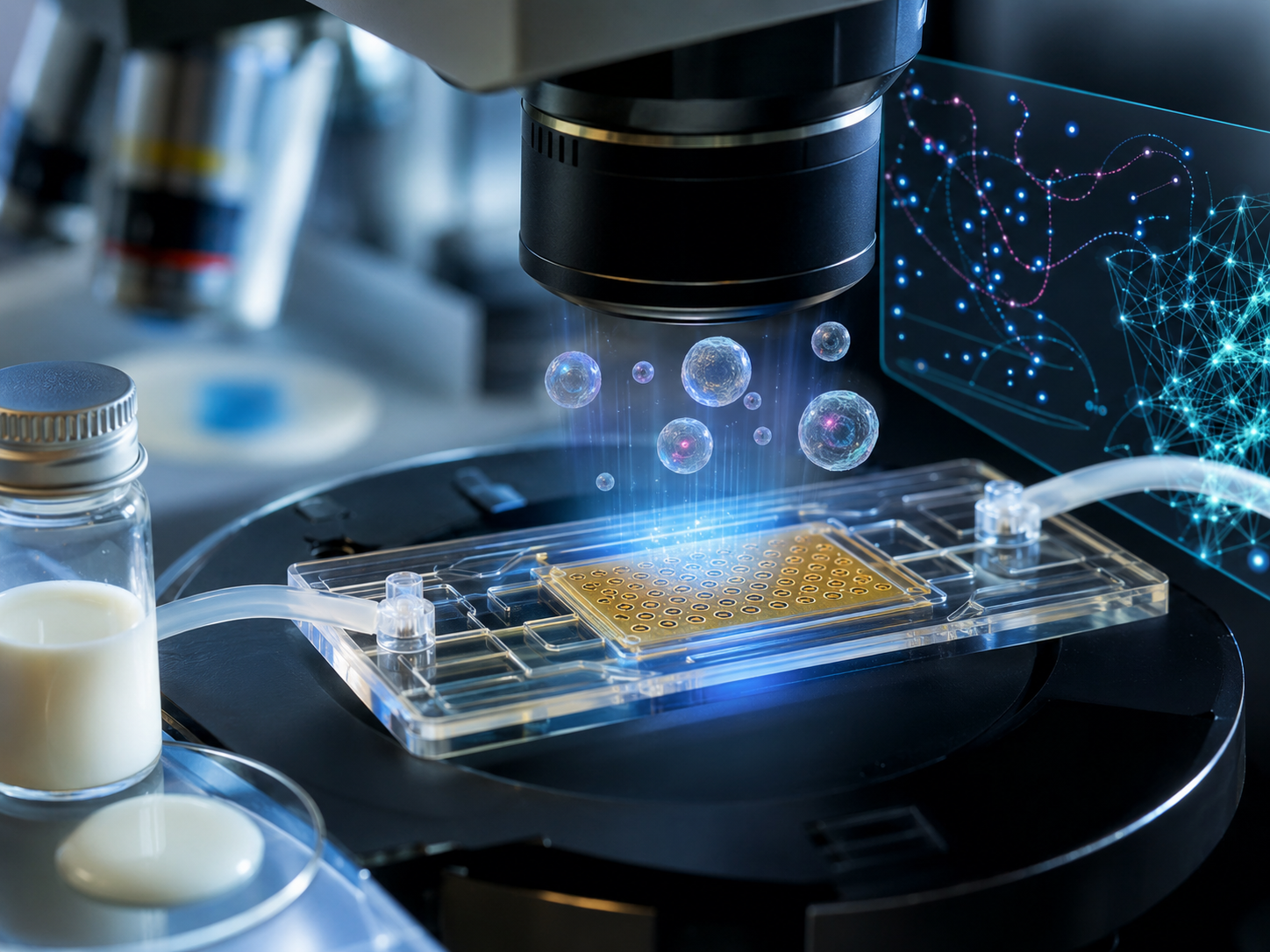
AI-Powered Nanotweezers Enable Label-Free Analysis of Milk-Derived Extracellular Vesicles
Researchers developed an AI-assisted nanotweezer platform that uses electrohydrodynamic trapping, interferometric imaging, and deep learning
 azonano.com·1mo ago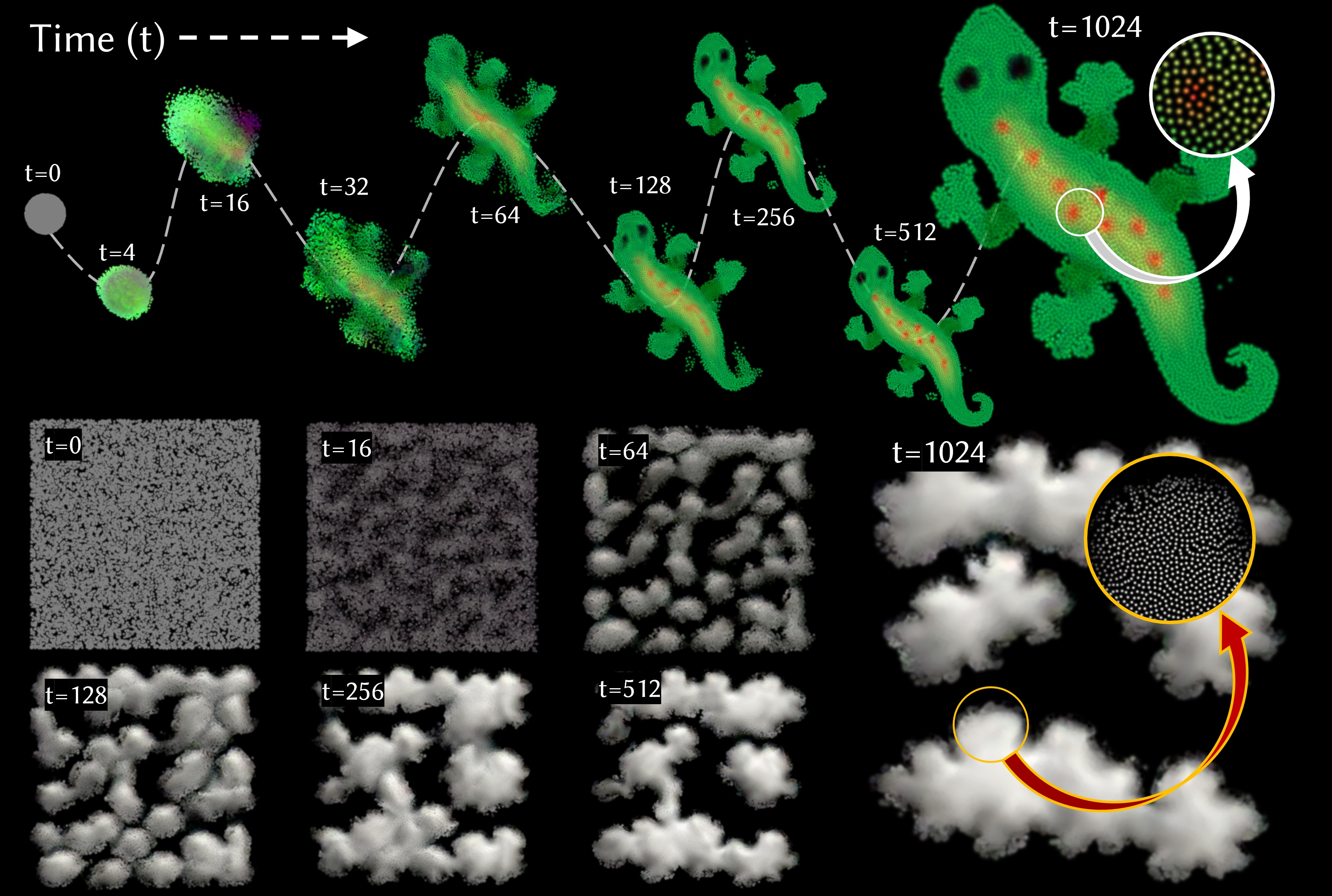
Neural Particle Automata: Extending Self-Organizing Neural Networks to Particle Systems
This article introduces Neural Particle Automata (NPA), a novel framework that extends the concept of Neural Cellular Automata (NCA) from gr
 selforg-npa.github.io·15d ago
Scalable AI framework enables autonomous microkinetics discovery for materials research
This paper presents a scalable AI-driven framework for autonomous scientific discovery, using microkinetics discovery as a testbed. The fram
 arxiv.org·8d ago
High-throughput in situ sizing and quantum yield determination of individual perovskite nanocrystals - Nature Materials
nature.com·1mo ago
New AI Tool Boosts Pancreatic Cancer Detection – Asian Scientist Magazine
asianscientist.com·13d ago
AI-Driven Protein Binder Design: Progress and Pitfalls in Evaluation Practices
This article discusses the rapid advancement of de novo protein binder design using AI, including antibodies and nanobodies. While the field
 boltz.bio·10d ago
Comments
Sign in to join the conversation.
No comments yet. Be the first.