
























AI-Driven Protein Binder Design: Progress and Pitfalls in Evaluation Practices
By
Boltz
Summary
This article discusses the rapid advancement of de novo protein binder design using AI, including antibodies and nanobodies. While the field is progressing toward expediting medicines to market, the author cautions that prevailing evaluation practices can lead to imprecise conclusions. Specifically, screening signals that are too ambiguous to confidently call a binder are nonetheless reported as binders, inflating apparent hit rates. The piece critically examines the gap between computational design claims and experimental validation in AI-driven molecular engineering.
Source
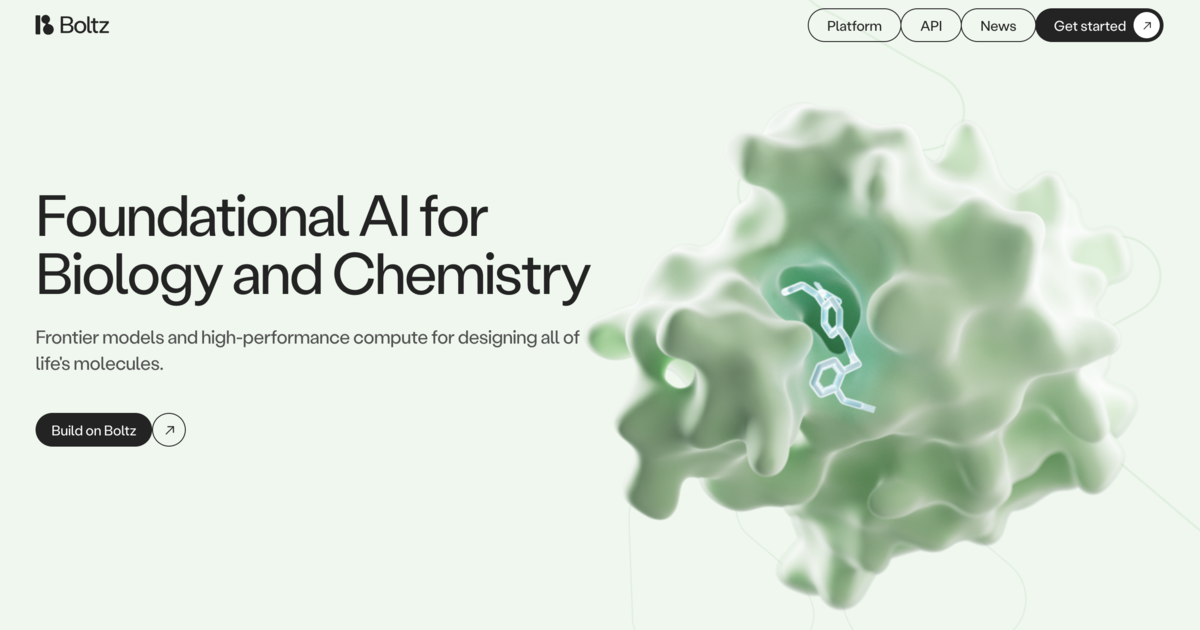
 Twitter / XAI-Driven Protein Binder Design: Progress and Pitfalls in Evaluation Practicesboltz.bio
Key quotes
· 3 pulledWe caution, however, that prevailing evaluation practices, if read uncritically, can lead to imprecise conclusions about what these methods can presently deliver.
Screening signals too ambiguous to confidently call a binder are nonetheless reported as binders, which raises the apparent hit rate.
With the first computationally designed antibodies now realized, the field is advancing rapidly toward the long-held goal of expediting medicines to market.
You might also wanna read


Global protein-ligand binding affinity profiling via photocatalytic labeling
De novo design of peptides localizing at the interface of biomolecular condensates
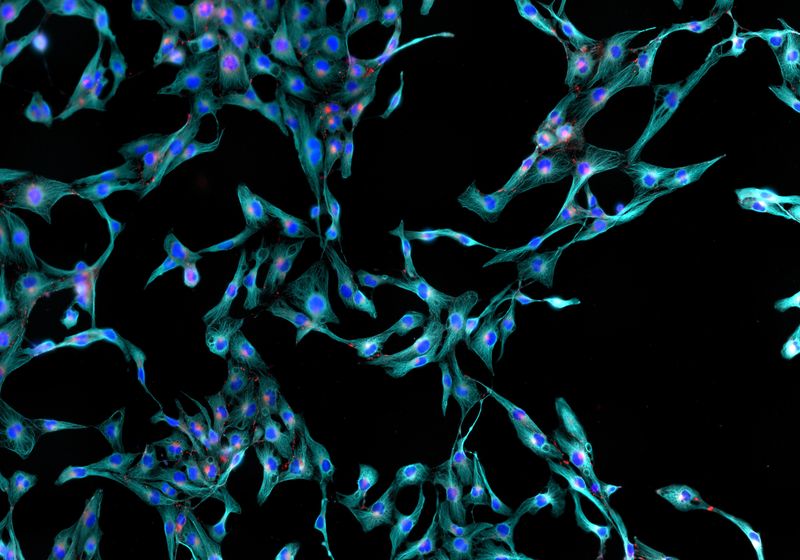
AI Drug Discovery Stalled by Lack of Trustworthy Biological Data
The article discusses the gap between AI's potential in drug discovery and actual results, attributing the productivity gap to the quality a
 the-scientist.com·12d ago
AI Advances in Drug Discovery: From Data Integration to Dual-Action Cancer Drug Design
The article discusses recent advancements in AI-driven drug discovery, highlighting two key developments: 1) Analytica 2026, an event focuse
 drugtargetreview.com·5mo ago
Benchmarking Codon Optimization Strategies for Improved Antibody Expression
This article/webinar promotion discusses how antibody expression titers are critical for screening efficiency, developability, and manufactu
 hubs.li·9d ago
Reflections on 2024 Bio-ML Predictions: Generative Chemistry and Molecular Dynamics Challenges
The article reflects on the author's 2024 predictions about bio-ML (biological machine learning) from a 2026 perspective, focusing on genera
 owlposting.com·5mo ago
Comments
Sign in to join the conversation.
No comments yet. Be the first.