
























China mandates physical buttons for safety functions in cars, reversing touchscreen-only trend
China is introducing a new regulation that will require automakers to include physical buttons for safety-related vehicle functions, reversing the industry trend (led by Tesla) of migrating controls onto touchscreens. While touchscreens offer design and cost advantages, the regulation addresses concerns about laggy interfaces, driver distraction, and safety risks associated with screen-only controls.
Key quotes
China will require automakers to include physical buttons for safety-related functions, pushing back on the proliferation of using screens for everything in modern cars.
In recent years, it has become common for automakers to migrate vehicle functions onto touchscreens instead of physical buttons.
Touchscreens can be laggy, or can m
From the article
You might also wanna read


Safety Concerns Grow Over Touchscreen Controls in Modern Vehicles
The article examines the safety concerns around touchscreen interfaces in modern vehicles, highlighting how Tesla's Model S popularized the
 economist.com·9mo ago
China is bringing back buttons – and it’s time the rest of the car industry did, too

Why automakers choose cheap touchscreens over safer physical controls
The article argues that the auto industry's widespread adoption of touchscreens in vehicles is driven primarily by cost savings, not by user
 ben.stolovitz.com·2d ago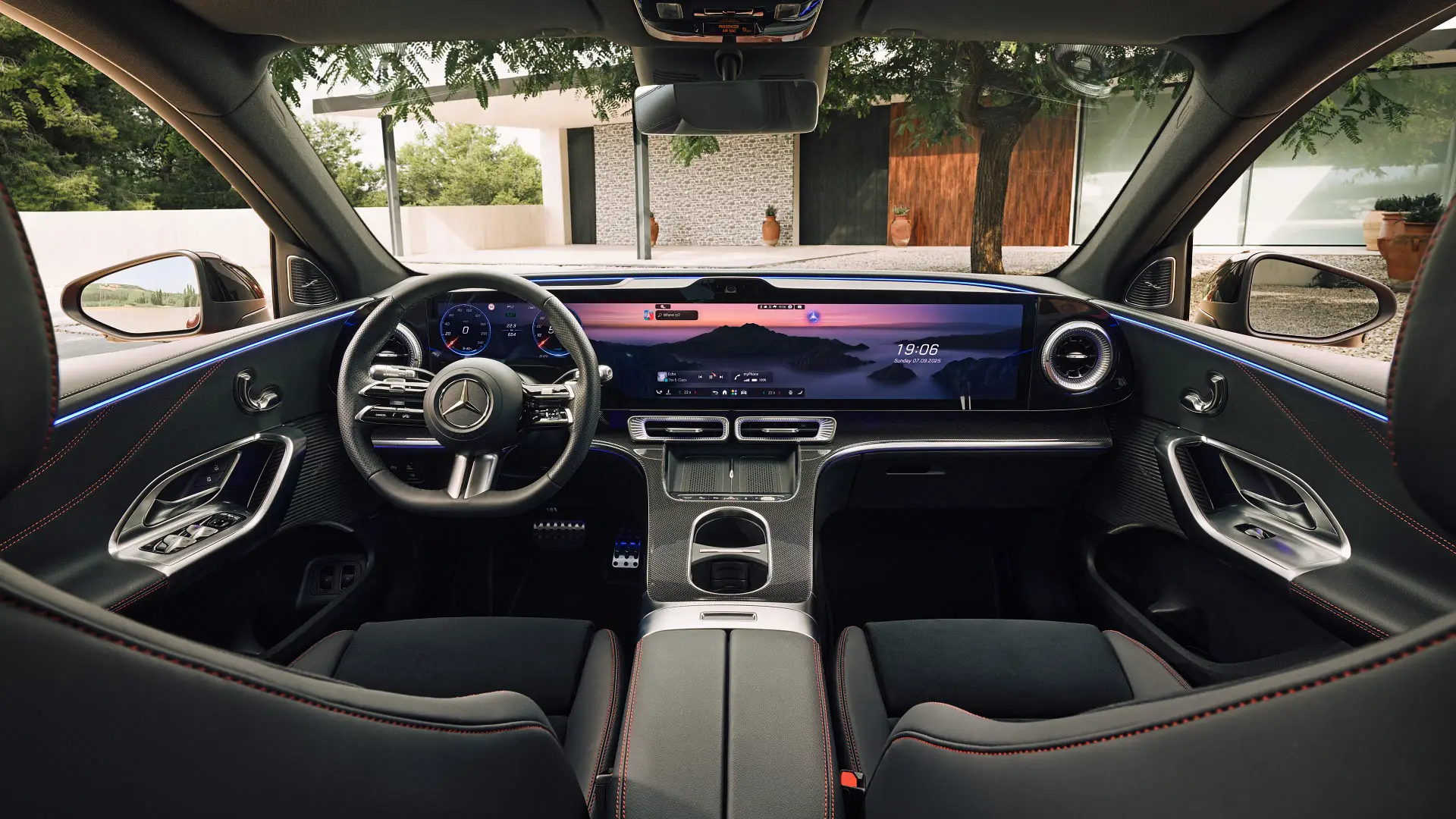
Mercedes-Benz to reintroduce physical buttons alongside large screens after customer backlash
Mercedes-Benz is reversing its previous design direction by committing to bring back physical buttons for key functions in future models, ac
 Drive·2mo ago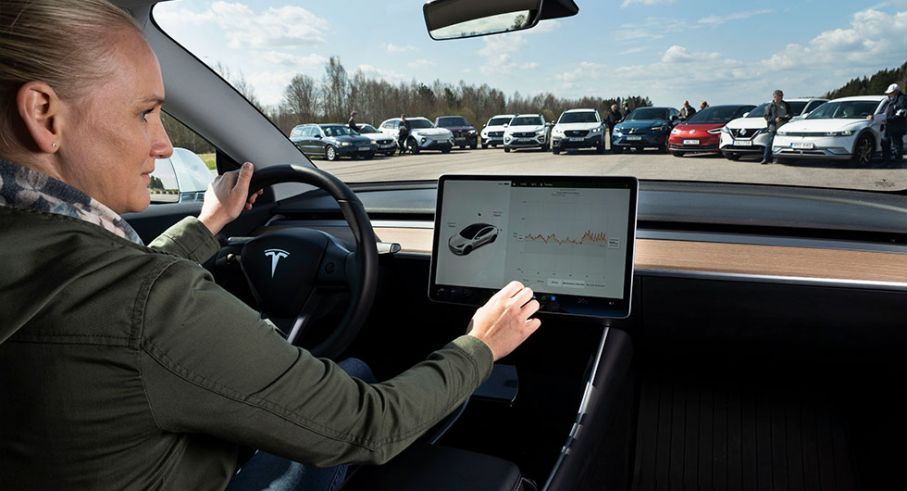
Study finds physical car controls faster and safer than touchscreens for drivers
A Swedish motoring magazine, Vi Bilägare, conducted tests comparing touchscreen interfaces to physical buttons in cars. Drivers performed ba
 ETSC·2mo ago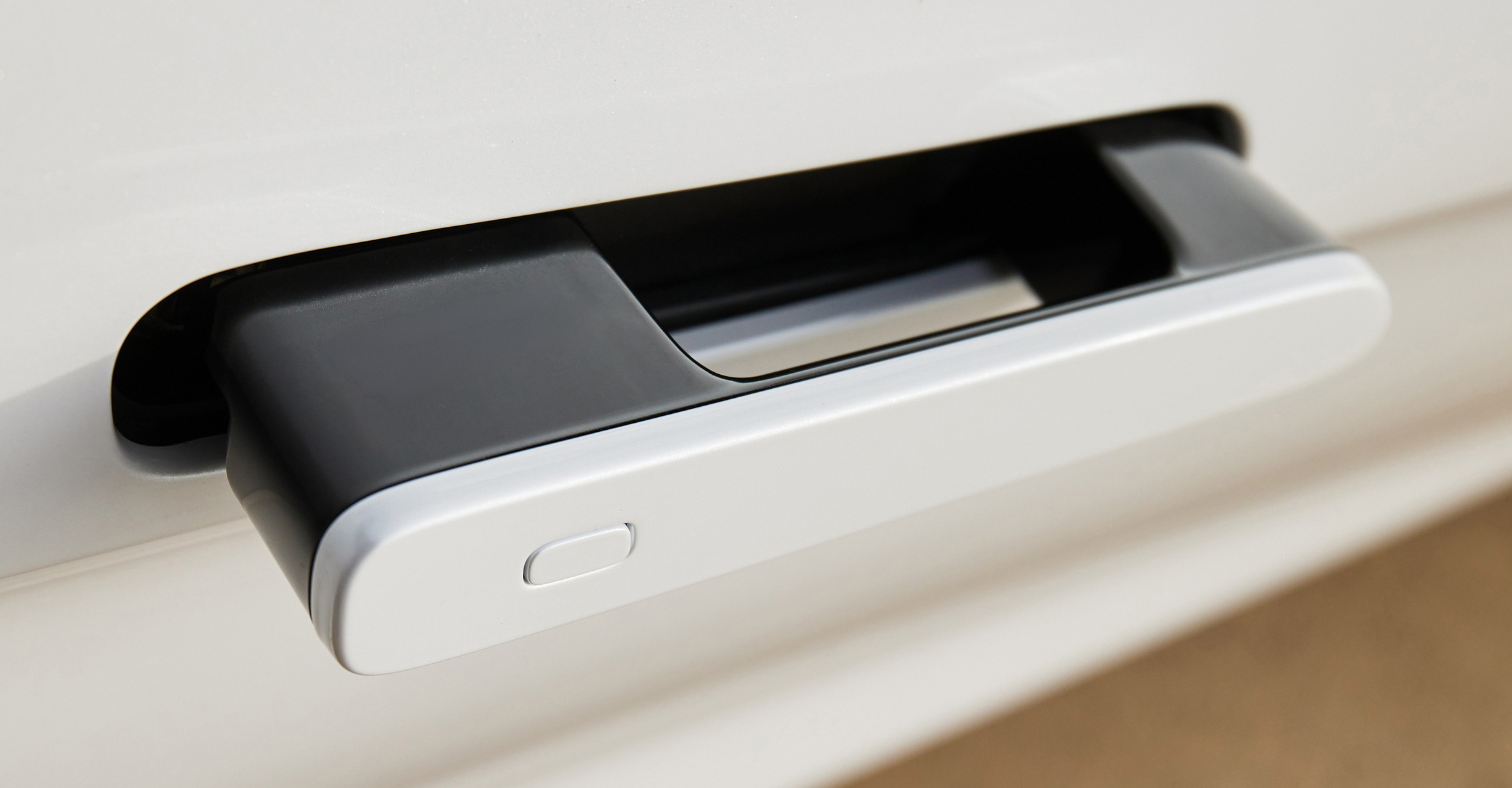
Why Many EV Design Choices Are a Step Backward for Drivers
This article critiques modern electric vehicle (EV) design choices, arguing that automakers are abandoning well-established, functional auto
 hypercritical.co·1mo ago
Comments
Sign in to join the conversation.
No comments yet. Be the first.