
























Building Seamless Page Transitions with WebGPU and Vanilla JavaScript
By
By Ben Paine
Summary
A step-by-step tutorial by creative developer Ben Paine demonstrating how to build seamless, GPU-powered page transitions using WebGPU (or WebGL) combined with a persistent 3D scene, DOM tracking, and a lightweight vanilla JavaScript router. The technique eliminates the browser's DOM state "popping" by maintaining one continuous scene, creating smooth transitions that improve user experience.
Source

 CodropsBuilding Seamless Page Transitions with WebGPU and Vanilla JavaScripttympanus.net
Key quotes
· 4 pulledI am going to demonstrate how to create unique page transitions using WebGPU.
I have found that page transitions, when done right, exponentially improves the user experience.
The reason I utilize WebGPU is to essentially eliminate the perception of the browser 'popping' the DOM state.
With one continuous scene, we can trick the user experience to seamlessly transition.
You might also wanna read

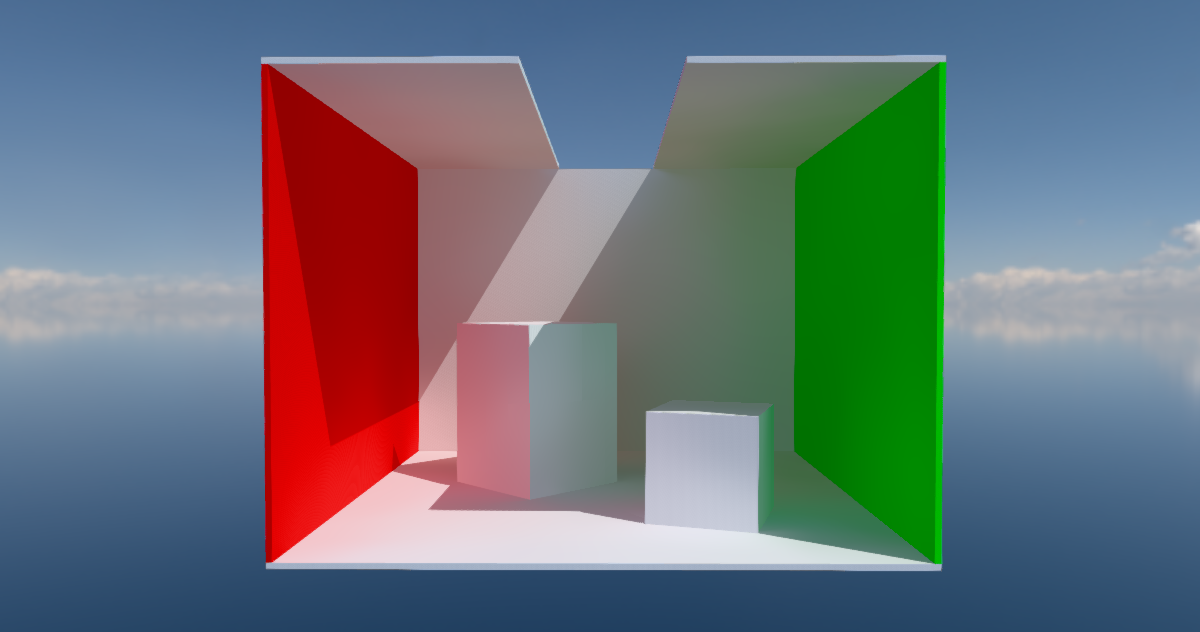
Exploring surfel-based global illumination with WebGPU on the open web
A technical blog post exploring the use of WebGPU to compute real-time global illumination using surfels (surface patches). The author inves
 Jure Triglav·1mo ago
Firefox 141 to Introduce WebGPU on Windows for Enhanced Graphics Processing
Firefox 141 will include WebGPU on Windows, offering a modern interface for high-performance graphics processing on the web. WebGPU is expec
mozillagfx.wordpress.com·11mo ago
Experimental WebGPU Physics Engine Using AVBD Solver for Rigid-Body and Soft-Body Simulations
This article presents an experimental WebGPU physics engine called webphysics that implements an AVBD-style (Augmented Vertex Block Descent)
 github.com·2mo ago
Modern CSS Techniques for Creating Memorable Web Experiences
A detailed technical article exploring modern CSS techniques for creating visually engaging and memorable web experiences. The author advoca
 CSS-Tricks·25d ago
ChartGPU: Open-Source WebGPU-Based Charting Library for High-Performance Data Visualization
ChartGPU is an open-source TypeScript charting library built on WebGPU technology that enables high-performance, interactive data visualizat
github.com·5mo ago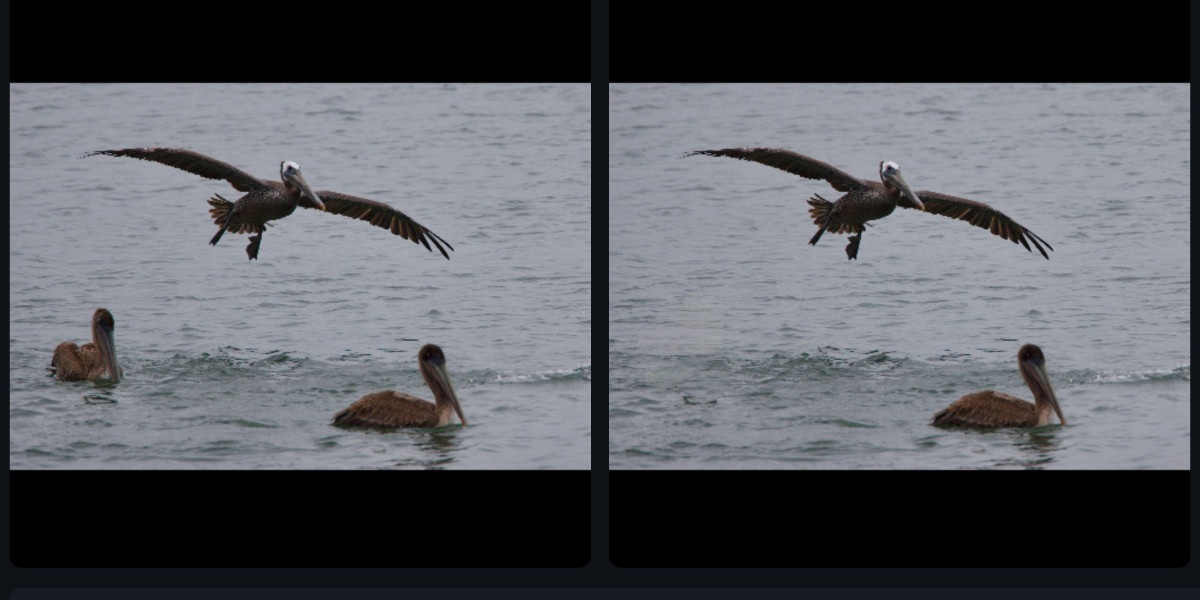
Porting the Moebius 0.2B Image Inpainting Model to Browser with WebGPU
A developer describes porting the Moebius 0.2B lightweight image inpainting model (originally requiring PyTorch and CUDA) to run in a browse
Comments
Sign in to join the conversation.
No comments yet. Be the first.