
























Researchers Develop First Prototype of Optical Nuclear Clock Using Thorium Atoms
By
Aaron Greenbaum
Summary
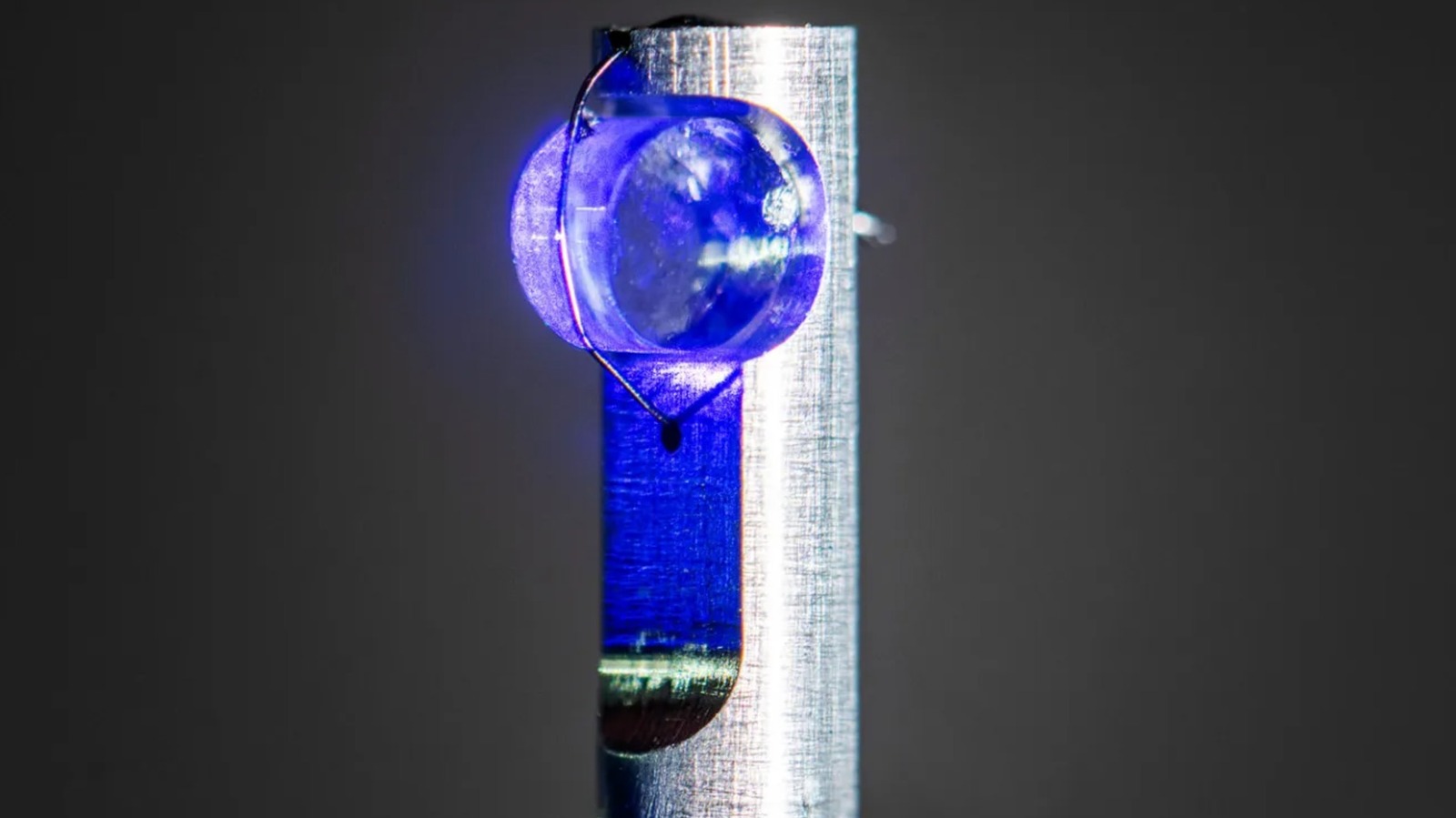
Researchers have developed a prototype for an "optical nuclear clock" that uses lasers and thorium atoms, potentially becoming the most precise time-keeping instrument ever made. This breakthrough comes after decades of theoretical work on nuclear clocks, which promise even greater accuracy than current atomic clocks by leveraging the atomic nucleus rather than electron transitions.
Source
 bskyResearchers Develop First Prototype of Optical Nuclear Clock Using Thorium Atomsbgr.com
Key quotes
· 3 pulledPerfect timekeeping is more complicated than you think.
Atomic clocks are currently the most advanced timekeepers we have conceived. Or at least they were, before nuclear clocks were invented.
Earlier this month, researchers developed a prototype for an 'optical nuclear clock,' a timekee
You might also wanna read


Scientists Develop Nuclear Clocks, Promising a New Era of Ultra-Precise Timekeeping
Two new independent studies are heralding a new era of timekeeping with the development of nuclear clocks, which use the nucleus of atoms ra
 popularmechanics.com·2d ago
New Nuclear Clock Research Promises Next Leap in Timekeeping Precision
Two new independent studies are heralding a new era of timekeeping with the development of nuclear clocks, which use the nucleus itself rath
popularmechanics.com·3d ago
NIST Develops Most Accurate Clock, Setting New Record
Researchers at the National Institute of Standards and Technology (NIST) have developed the most accurate clock in the world, paving the way
nist.gov·11mo ago
NIST Gaithersburg Atomic Clock Failure Causes -10ms Time Step on Internet Time Servers
On December 6, 2025, the primary atomic time source (a cesium beam atomic clock) at NIST's Gaithersburg campus failed, causing a -10 millise
 groups.google.com·6mo ago
Understanding Leap Seconds: How Timekeeping Adjusts for Earth's Rotation
The article discusses the history and technical aspects of leap seconds in Coordinated Universal Time (UTC), explaining how they are used to

Nanocrystal Light Emission Reveals Quantum Zero-Point Motion in Atomic Lattice
Researchers have observed unexpected light emission from a nanocrystal cooled to near absolute zero, which is shown to arise from quantum fl
 physics.aps.org·7mo ago
Comments
Sign in to join the conversation.
No comments yet. Be the first.