





















NIST Gaithersburg Atomic Clock Failure Causes -10ms Time Step on Internet Time Servers
By
dpcx

Reliable enough to start your morning with. Toast it again tomorrow.
Summary
On December 6, 2025, the primary atomic time source (a cesium beam atomic clock) at NIST's Gaithersburg campus failed, causing a -10 millisecond time step that affected multiple internet time servers. The failure impacted servers including time-a-g.nist.gov through time-f-g.nist.gov and ntp-d.nist.gov. Coincidentally, there were unexplained failures in other co-located monitoring and control resources, with server time-a-g becoming unavailable due to the incident.
Key quotes
· 4 pulledOn Saturday, 6 December 2025 at approximately 21:13 UTC, the atomic time source (a single cesium beam atomic clock) for all the internet time servers at the NIST Gaithersburg campus failed and exhibited a time step of approximately -10 ms.
The affected servers are: time-a-g.nist.gov time-b-g.nist.gov time-c-g.nist.gov time-d-g.nist.gov time-e-g.nist.gov time-f-g.nist.gov ntp-d.nist.gov (authenticated NTP only)
Coincidentally, there were unexplained failures in more than one co-located resource, including some used for monitoring and control.
The server time-a-g became unavailable due to the incident.
You might also wanna read

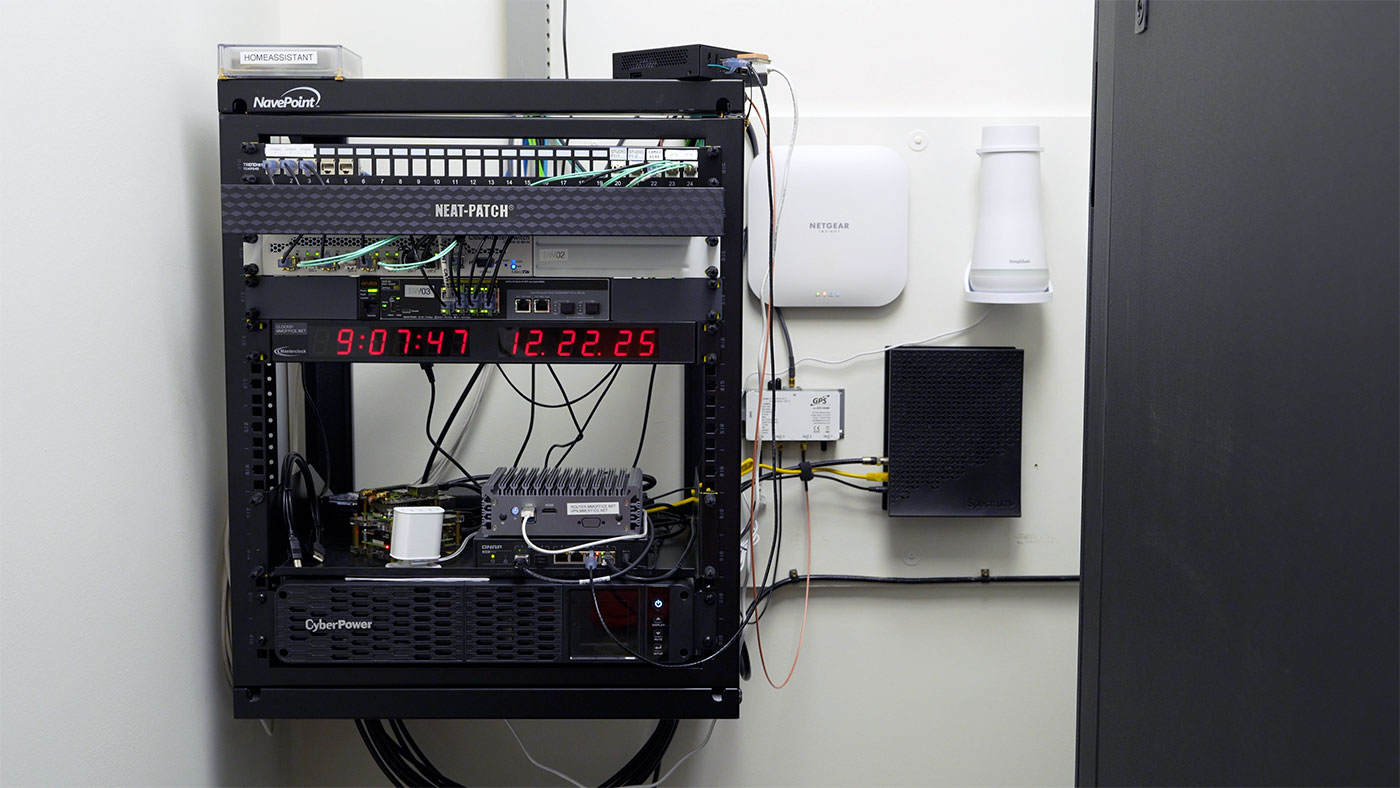
NIST Timing Facility Recovers from Power Outage, Maintains 5 Microsecond Accuracy
NIST's Boulder facility experienced a power outage lasting multiple days after a backup generator failure, causing their main ensemble clock

NIST Boulder Atomic Time Scale Fails Due to Power Outage, Internet Time Services Affected
NIST's Boulder campus has experienced a prolonged utility power outage due to high wind gusts and wildfire prevention measures, causing the
 lists.nanog.org·5mo ago
Understanding Leap Seconds: How Timekeeping Adjusts for Earth's Rotation
The article discusses the history and technical aspects of leap seconds in Coordinated Universal Time (UTC), explaining how they are used to

Nuclear Microreactors: Small-Scale Power for Towns and Campuses Face Public Trust Challenges
The article explores the potential of nuclear microreactors - small-scale nuclear power plants that could power entire towns or campuses whi
 theconversation.com·8mo ago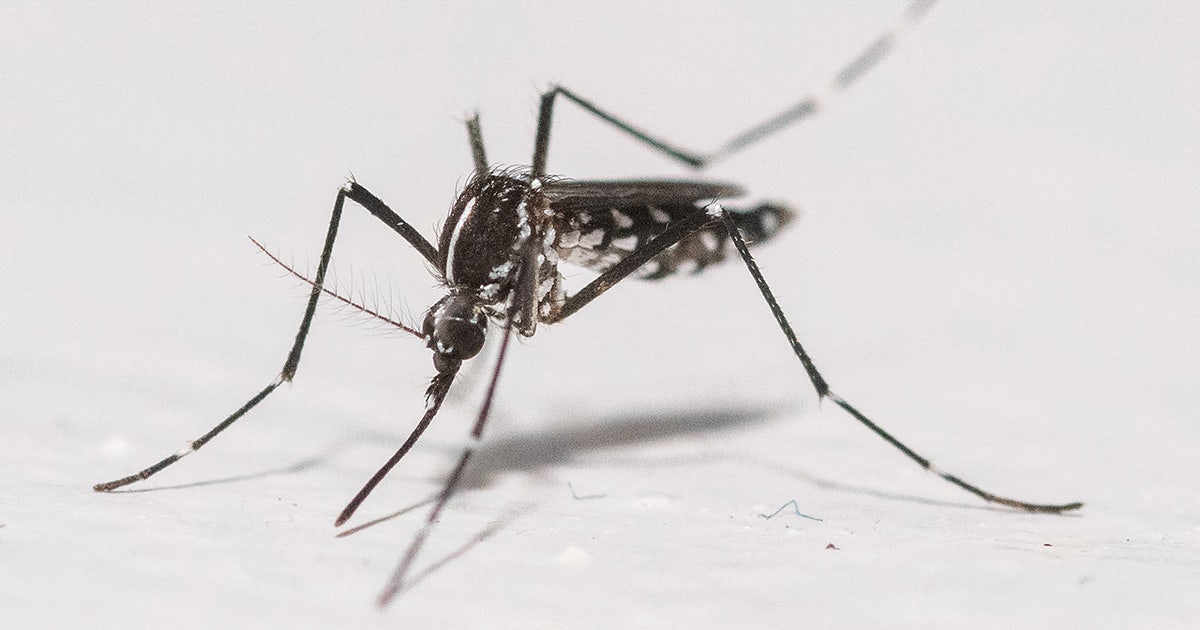
Google's Debug program seeks EPA permit to release 64 million modified mosquitoes in California and Florida
Google's Debug program plans to release up to 64 million genetically modified "good" mosquitoes in California and Florida over two years to
 bit.ly·3h ago
AI-powered charging systems could extend EV battery life by up to 23%, researchers say
Researchers have developed AI-powered charging systems that could extend electric vehicle (EV) battery life by up to 23%. The technology opt
 bgr.com·4h ago