





















Achieving Top Position on HuggingFace LLM Leaderboard Through Model Analysis and Optimization Techniques
By
dnhkng

Hand-rolled, kettle-boiled, baked to perfection. Worth every minute at the bakery.
Summary
The article describes how the author achieved the #1 position on the HuggingFace Open LLM Leaderboard without training or modifying any model weights. Instead of traditional fine-tuning or weight merging, the author used a technique called 'LLM Neuroanatomy' - analyzing and understanding the internal structure of large language models to optimize their performance through prompt engineering and strategic evaluation approaches. The author explains how they leveraged deep understanding of model architectures and benchmark characteristics to maximize scores on six key benchmarks (IFEval, BBH, MATH Lvl 5, GPQA, MuSR, and MMLU-PRO), beating well-funded labs and fine-tuning experts through clever methodology rather than computational resources.
Key quotes
· 5 pulledAnd there at #1 was dnhkng/RYS-XLarge. Mine.
I didn't train a new model. I didn't merge weights. I didn't run a single ste
Thousands of models were battling it out, submitted by both well-funded labs with teams of PhDs and fine-tuning wizards creating fantastically named models
LLM Neuroanatomy: How I Topped the LLM Leaderboard Without Changing a Single Weight
the HuggingFace Open LLM Leaderboard was the Colosseum for Open-Weight AI
You might also wanna read

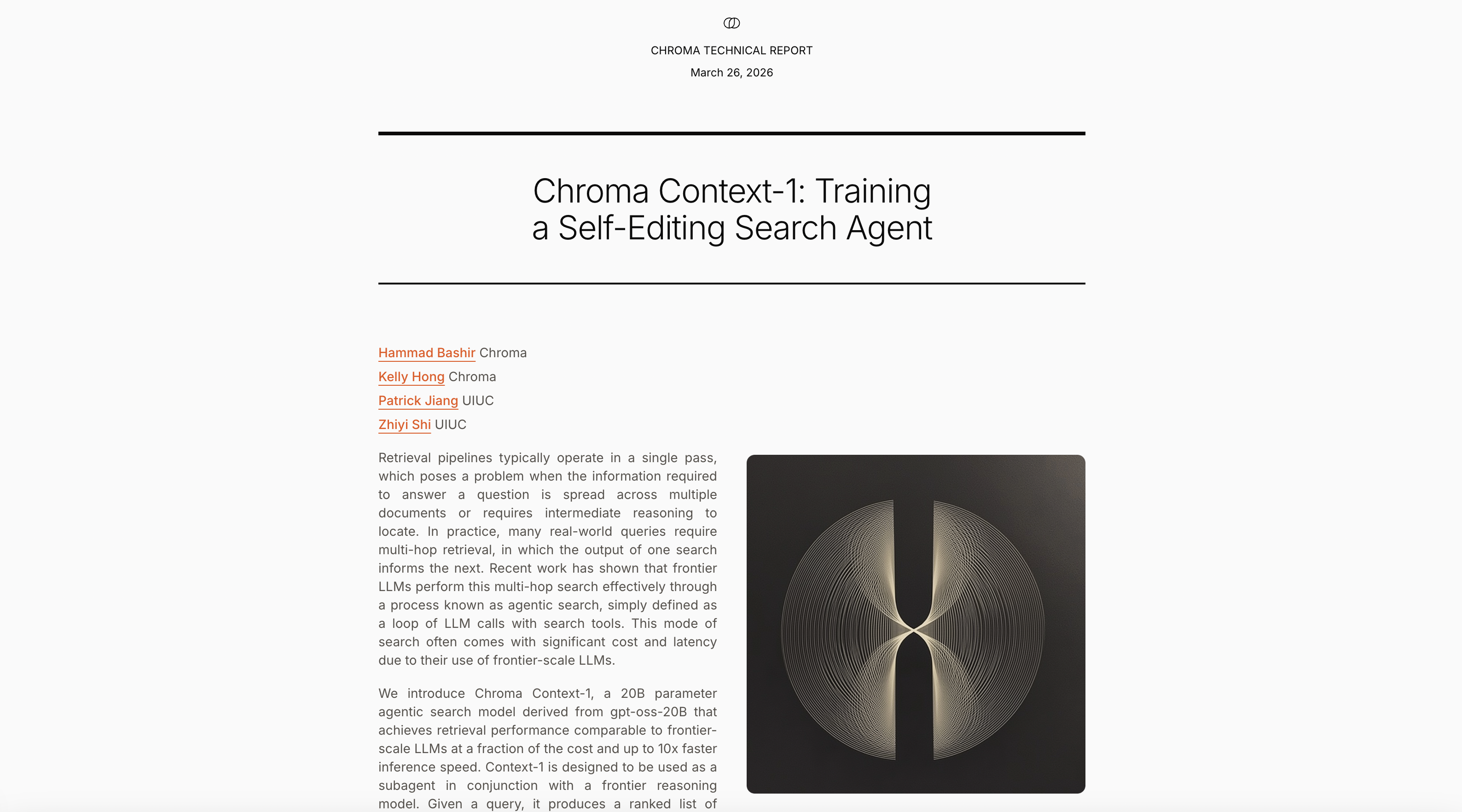
Chroma Context-1: A 20B Parameter Agentic Search Model for Multi-Hop Retrieval
Chroma Context-1 is a 20B parameter agentic search model designed to improve retrieval-augmented generation (RAG) systems. Unlike traditiona
 trychroma.com·2mo ago
ATLAS: Adaptive Test-time Learning System Achieves 74.6% Code Benchmark Performance with Frozen 14B Model
ATLAS (Adaptive Test-time Learning and Autonomous Specialization) is a system that wraps a frozen smaller language model (14B parameters) wi
 github.com·2mo ago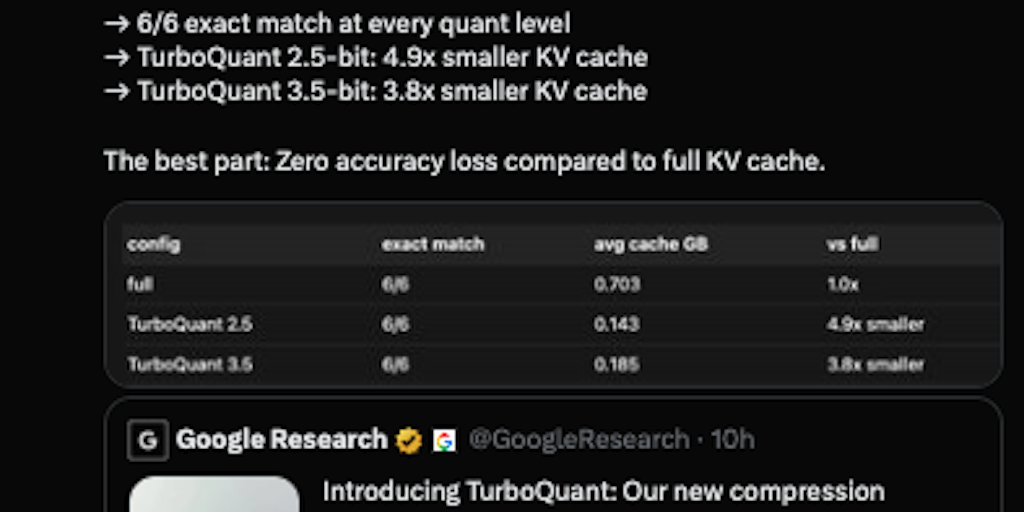
Google Introduces TurboQuant: Advanced LLM Compression Algorithm for Efficient AI Model Deployment
Google has developed TurboQuant, a new LLM compression algorithm that uses advanced theoretically grounded quantization techniques to enable
 Product Hunt·2mo ago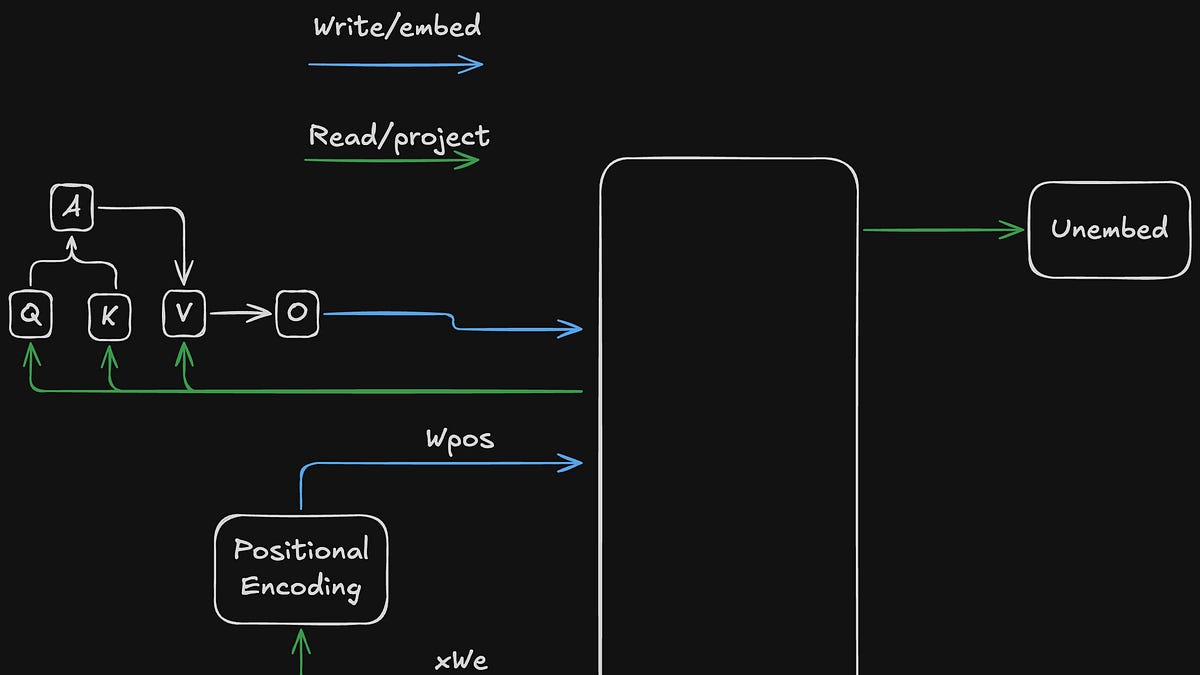
Understanding Transformer Circuits: A Mechanistic Interpretability Perspective
This article explores mechanistic interpretability of transformer neural networks, focusing on understanding how transformers work mathemati
 connorjdavis.com·2mo ago
Phi-4 Reasoning: Small Open-Weight AI Models with Strong Math and Science Capabilities
Phi-4 Reasoning is a small open-weight language model (3.8B/14B parameters) that delivers powerful reasoning capabilities for math, science,
Product Hunt·2mo ago
Unsloth Releases Dynamic 2.0 GGUFs for Improved LLM Quantization
Unsloth has released Dynamic 2.0 GGUFs, a major upgrade to their quantization method for large language models. The new version outperforms
 unsloth.ai·3mo ago