
























NASA plans unprecedented robotic rescue mission to boost decaying orbit of Swift space telescope
By
Daniel Clery
Summary
NASA is racing to launch an unprecedented robotic rescue mission to save the Neil Gehrels Swift Observatory, a 22-year-old space telescope that detects gamma-ray bursts, x-rays, and ultraviolet light from cosmic events. The telescope's orbit is decaying and it could fall to Earth before year's end. No one has ever attempted to robotically grab and boost the orbit of a scientific satellite before, aside from a few demonstration missions. Astronomers consider Swift too valuable to lose due to its unique capabilities in detecting explosive cosmic phenomena.
Source

 bskyNASA plans unprecedented robotic rescue mission to boost decaying orbit of Swift space telescopescience.org
Key quotes
· 3 pulledNo one has ever attempted to robotically grab and boost the orbit of a scientific satellite, aside from a few demonstration missions.
Astronomers say Swift, which detects bursts of gamma rays, x-rays, and ultraviolet light from exploding stars and other objects, is too valuable to lose.
Before the end of the month, a robotic spacecraft will take off on an unprecedented rescue mission.
You might also wanna read


Katalyst Space to Launch Rescue Mission for NASA's Falling Swift Observatory
Arizona-based startup Katalyst Space is attempting a rapid rescue mission for NASA's aging Swift Observatory, which has been studying gamma-
 forbes.com·1d ago
The mission is risky, daring and unprecedented: save an ageing NASA satellite from an impending fiery death
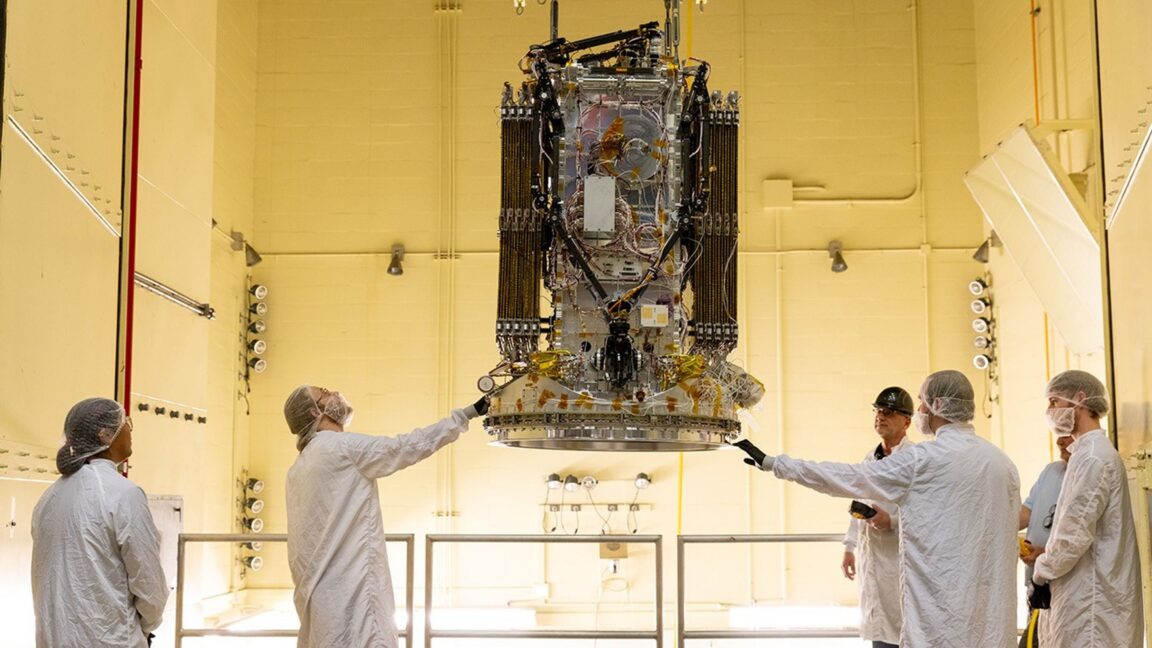
NASA and Katalyst Space Technologies race to rescue $500 million satellite mission in under a year
NASA asked three companies if they could build and launch a satellite in under a year to rescue a $500 million astronomy mission at risk of
 arstechnica.com·4d ago
NASA's Telescope Detects Potential Alien Life Signature, but U.S. Space Exploration at Risk
Scientists used NASA's James Webb Space Telescope to potentially detect a signature of alien life on a distant planet, sparking debate and s
theatlantic.com·11mo ago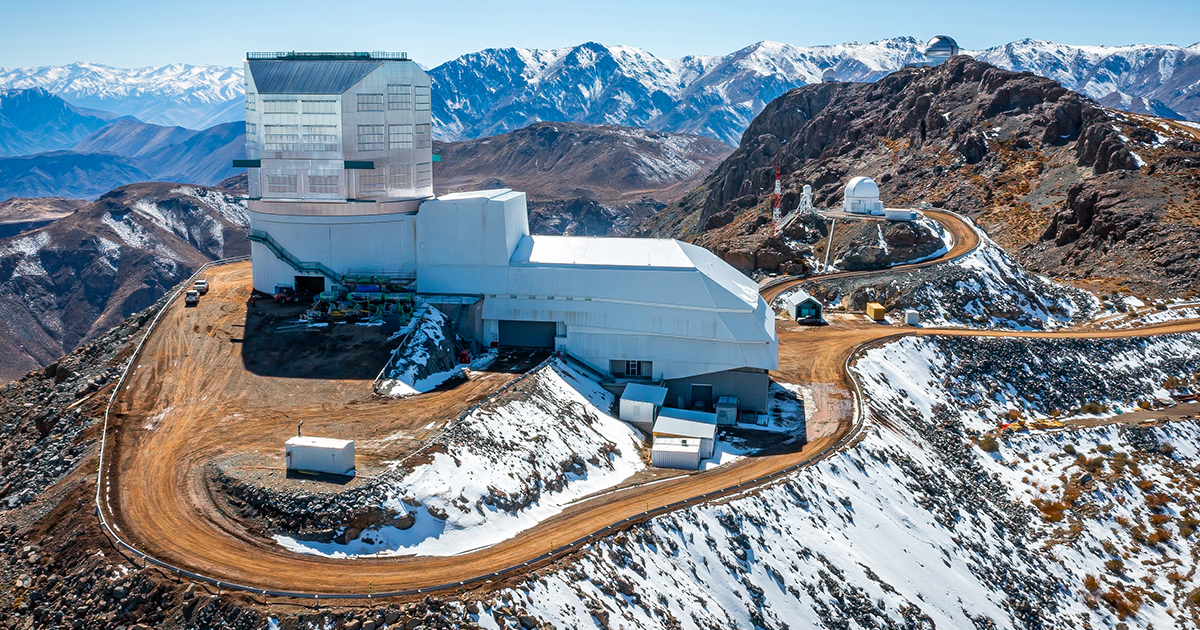
Vera C. Rubin Observatory Set to Discover Millions of Asteroids and Transient Phenomena in Big-Data Astronomy Era
The Vera C. Rubin Observatory in Chile is preparing to begin operations, designed to capture the entire Southern Hemisphere night sky every
 quantamagazine.org·22d ago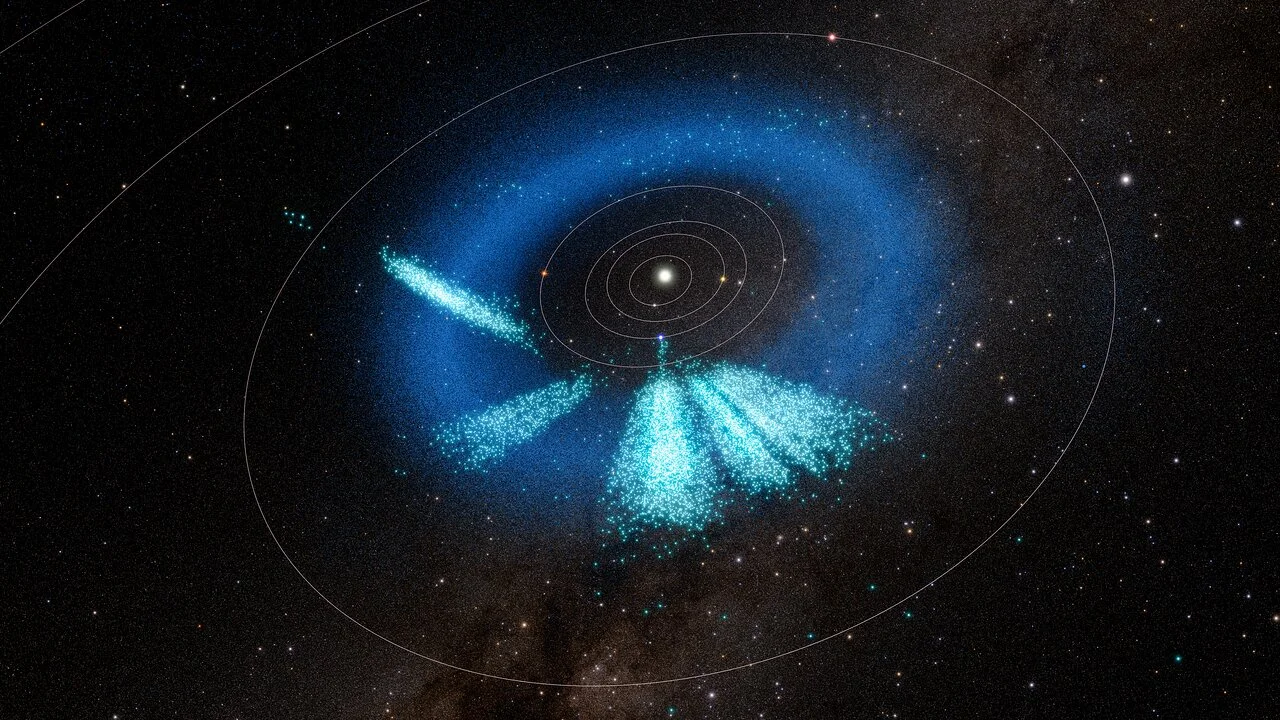
Vera C. Rubin Observatory Discovers 11,000 New Asteroids Before Official Survey Launch
The Vera C. Rubin Observatory, using preliminary data before its official 10-year Legacy Survey of Space and Time (LSST) begins, has already
 universetoday.com·2mo ago
Comments
Sign in to join the conversation.
No comments yet. Be the first.