
























Retinal Imaging Shows Promise for Early Alzheimer's Risk Detection
By
Carly Cassella
Summary
Researchers have found that retinal imaging can not only identify people with active Alzheimer's disease but also predict a person's risk of developing the condition years before clinical diagnosis. The retina, being an extension of the brain's neural tissue, shows changes that may serve as early warning signs for Alzheimer's. This non-invasive approach could enable earlier detection and intervention for the neurodegenerative disease.
Source
 bskyRetinal Imaging Shows Promise for Early Alzheimer's Risk Detectionsciencealert.com
Key quotes
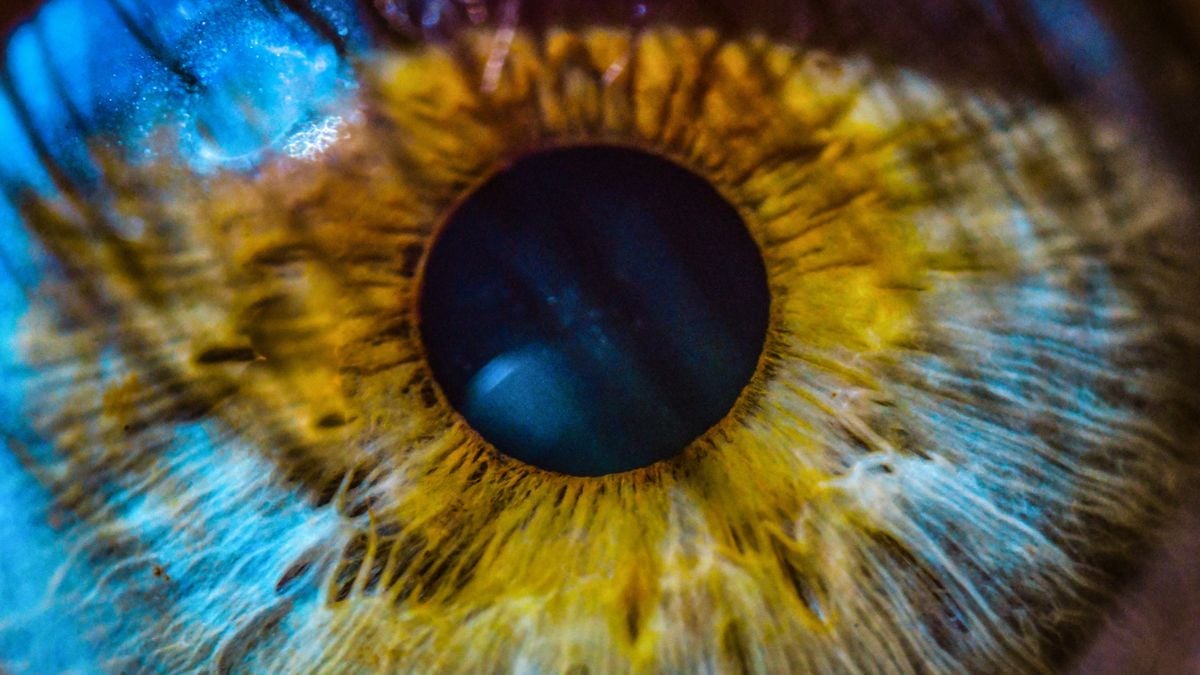
· 3 pulledA change here could be one of the most obvious outward signs of a deeper problem, hidden beyond our sight.
Already, scientists have shown that photos of the retina can identify those with active and ongoing cases of Alzheimer's disease.
Now, some of the same researchers have shown that these photos can help to determine a person's risk of developing Alzheimer's, years before diagnosis.
You might also wanna read


Early Warning Signs of Alzheimer's Disease: When to Seek Medical Help
This article outlines early warning signs of Alzheimer's disease, including conversational difficulties, memory lapses like misplacing items
 wb.md·5h ago
Three-Minute Home Test Shows Promise for Early Alzheimer's Detection Years Before Traditional Diagnosis
Researchers have developed a three-minute take-home test called 'Fastball' that can identify symptoms linked to Alzheimer's disease years be
 smithsonianmag.com·9mo ago
Skin inflammation as a sentinel marker for neurodegeneration: Chronic skin disorders may signal dementia risk in older adults
This article discusses the emerging link between chronic inflammatory skin conditions and dementia risk in older adults. It highlights that
 pubmed.ncbi.nlm.nih.gov·5d ago
Study Finds Hypotension Strongly Linked to Alzheimer's Disease Risk in Large Cohorts
A cross-sectional study of nearly 800,000 adults from the UK Biobank and All of Us Research Program found that multiple cardiovascular disea
 mdsc.pe·4d ago
Alzheimer's Research Impact: Uncovering a 16-Year Setback
A landmark study in Nature that identified a possible cause of Alzheimer’s disease in 2006 influenced research for almost 16 years until con
discovermagazine.com·1y ago
New MRI-Based Biomarker Predicts Aging and Disease Risks
Researchers from Duke University, Harvard University, and the University of Otago have developed DunedinPACNI, a noninvasive MRI-based bioma
 insideprecisionmedicine.com·10mo ago
Comments
Sign in to join the conversation.
No comments yet. Be the first.