
























The disputed neuroscience of evil: How brain scan evidence entered death penalty cases
By
Guardian staff reporter
Summary
This investigative piece examines the controversial work of neuroscientist Kent Kiehl, who claims he can use brain scans (fMRI) to detect psychopathy and predict violent behavior in prisoners. The article traces how Kiehl's research was used in the 2009 death penalty case of serial killer Brian Dugan, and how his theories have since been adopted by defense lawyers in capital cases — with significant consequences for prisoners. The piece critically examines the scientific validity of using brain scans as legal evidence, the ethical implications, and the potential for junk science to influence life-or-death judicial decisions.
Source

 bskyThe disputed neuroscience of evil: How brain scan evidence entered death penalty casestheguardian.com
Key quotes
· 3 pulledHe was just utterly and completely psychopathic. A perfect – I mean, I hate to say this word – specimen.
The science is not ready for the courtroom. We don't have the ability to predict future violence with any reasonable degree of certainty.
This is not about whether the science is interesting — it's about whether it's reliable enough to help decide who lives and who dies.
You might also wanna read
Inside Dahmer's Fridge: A Chilling Look at His Refrigerator Contents

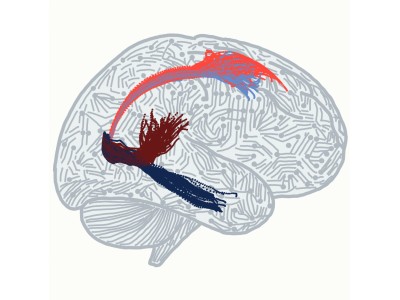
Neuroscientist challenges decades-old model of how vision and thinking work in the brain
Neuroscientist Nuttida Rungratsameetaweemana is challenging the long-held conventional view that vision is a passive, feed-forward process w
 engineering.columbia.edu·3d ago
Neuroscientist challenges decades-old model of how vision and thinking work in the brain
Neuroscientist Nuttida Rungratsameetaweemana is challenging the long-held conventional view that vision is a passive, feed-forward process w
engineering.columbia.edu·3d ago
Mayo Clinic neuroscientists use computational tools and neuromodulation to decode and repair brain function
Mayo Clinic neuroscientists, led by neurosurgeon-scientist Dr. Gelareh Zadeh, are using advanced computational tools and neuromodulation tec
 mayocl.in·15d ago
Why neuroscience is not ready to guide brain-based policymaking
This article critically examines the growing trend of policymakers turning to neuroscience to inform laws and policies, arguing that the sci
 newscientist.com·8d ago
Why neuroscience is not ready to guide brain-based policymaking
This article critically examines the growing trend of policymakers turning to neuroscience to inform laws and policies, arguing that the sci
newscientist.com·8d agoWhy neuroscience is not ready to guide brain-based policymaking
This article critically examines the growing trend of policymakers turning to neuroscience to inform laws and policies, arguing that the sci
newscientist.com·8d ago
Brain 'Flight Simulator' Model Reveals Learning Mechanisms and Mental Processing Errors
Researchers have developed a 'flight simulator' computer model for the brain that reveals how learning occurs and why mental processes somet
 now.tufts.edu·8mo ago
AI Hallucinations as Legal Defense: The Accountability Gap in Corporate AI Use
The article examines the emerging legal and accountability challenge of AI hallucinations being used as a defense in corporate settings. It
Comments
Sign in to join the conversation.
No comments yet. Be the first.