
























Stanford's STEHM model helps astronomers screen exoplanets for atmosphere retention and habitability
By
Samantha Mathewson
Summary
Stanford researchers have developed a new planetary habitability model called STEHM (Smaller Than Earth Habitability Model) that helps astronomers efficiently screen exoplanets for their ability to build and retain atmospheres over billions of years. The model allows scientists to quickly identify rocky worlds unlikely to sustain life-supporting atmospheres before committing valuable telescope time to detailed observations, potentially making the search for extraterrestrial life more targeted and efficient.
Source
 Twitter / XStanford's STEHM model helps astronomers screen exoplanets for atmosphere retention and habitabilityspace.com
Key quotes
· 2 pulledThe software, called the Smaller Than Earth Habitability Model (STEHM), allows astronomers to screen exoplanets before committing valuable telescope time to detailed observations.
Developed by researchers at Stanford University, the model assesses whether a rocky planet can build and retain an atmosphere over billions of years — a prerequisite for life as we know it.
You might also wanna read

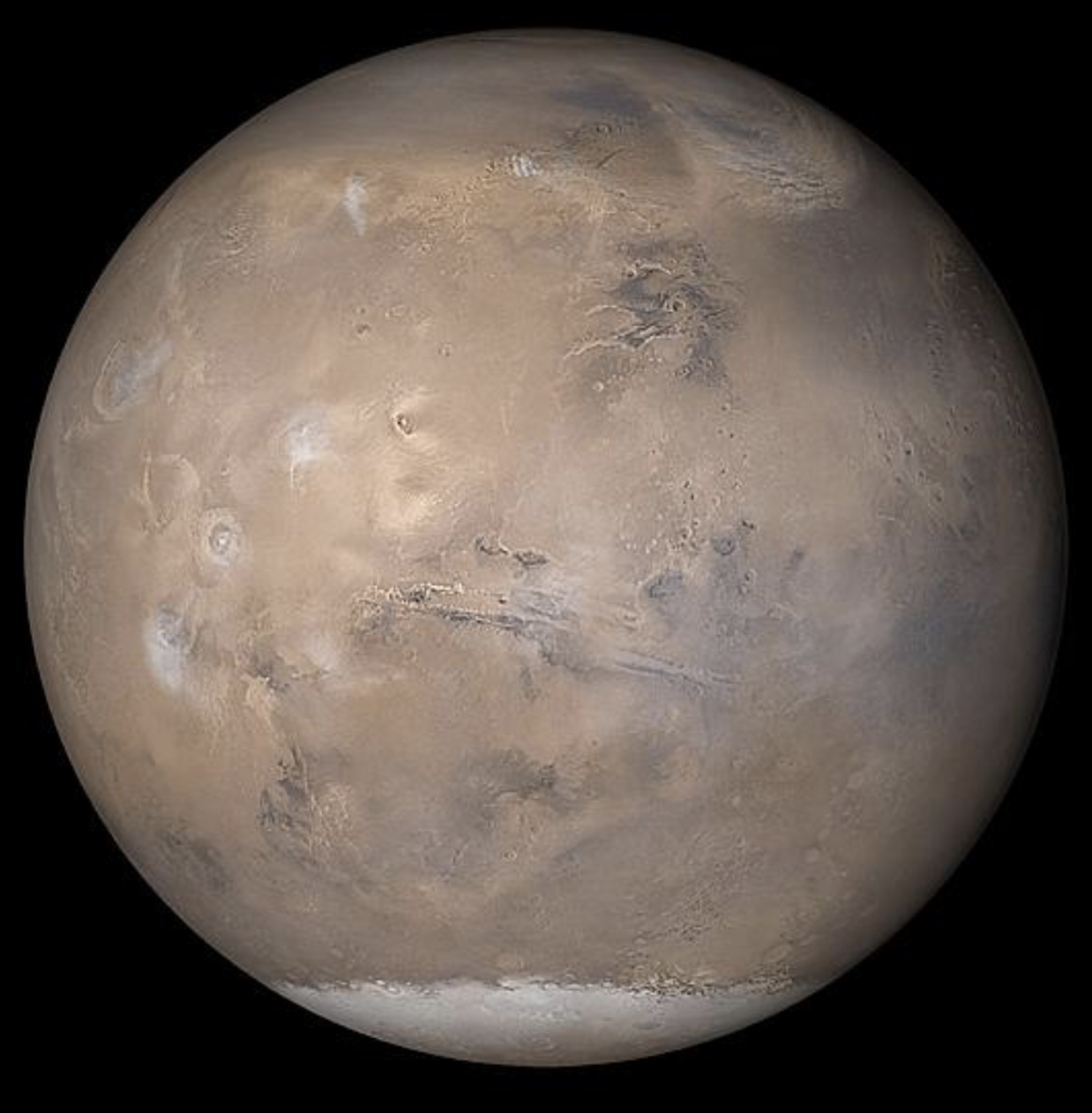
Viewing Mars as an Exoplanet: Lessons for Detecting Habitability from Afar
This scientific article explores what we could learn about Mars if we viewed it as an exoplanet—a distant world orbiting another star. The a
 astrobites.org·25d ago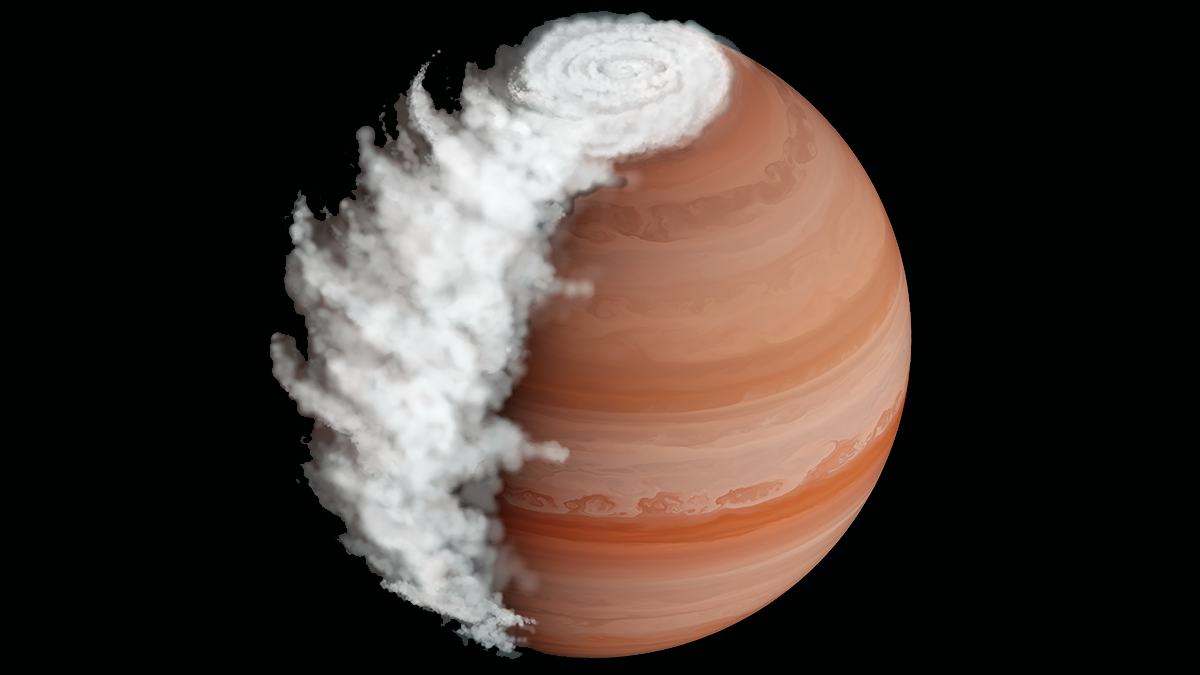
JWST Reveals WASP-39b Has Cloudy Mornings and Clear Evenings, Solving Longstanding Exoplanet Mystery
Astronomers using the James Webb Space Telescope (JWST) have developed a novel observation technique to study the exoplanet WASP-39b, a hot
 eos.org·9d ago
Researchers Confirm Fifth Habitable Planet in L 98-59 Planetary System
A team led by the Trottier Institute for Research on Exoplanets at the Université de Montréal has confirmed the existence of a fifth planet
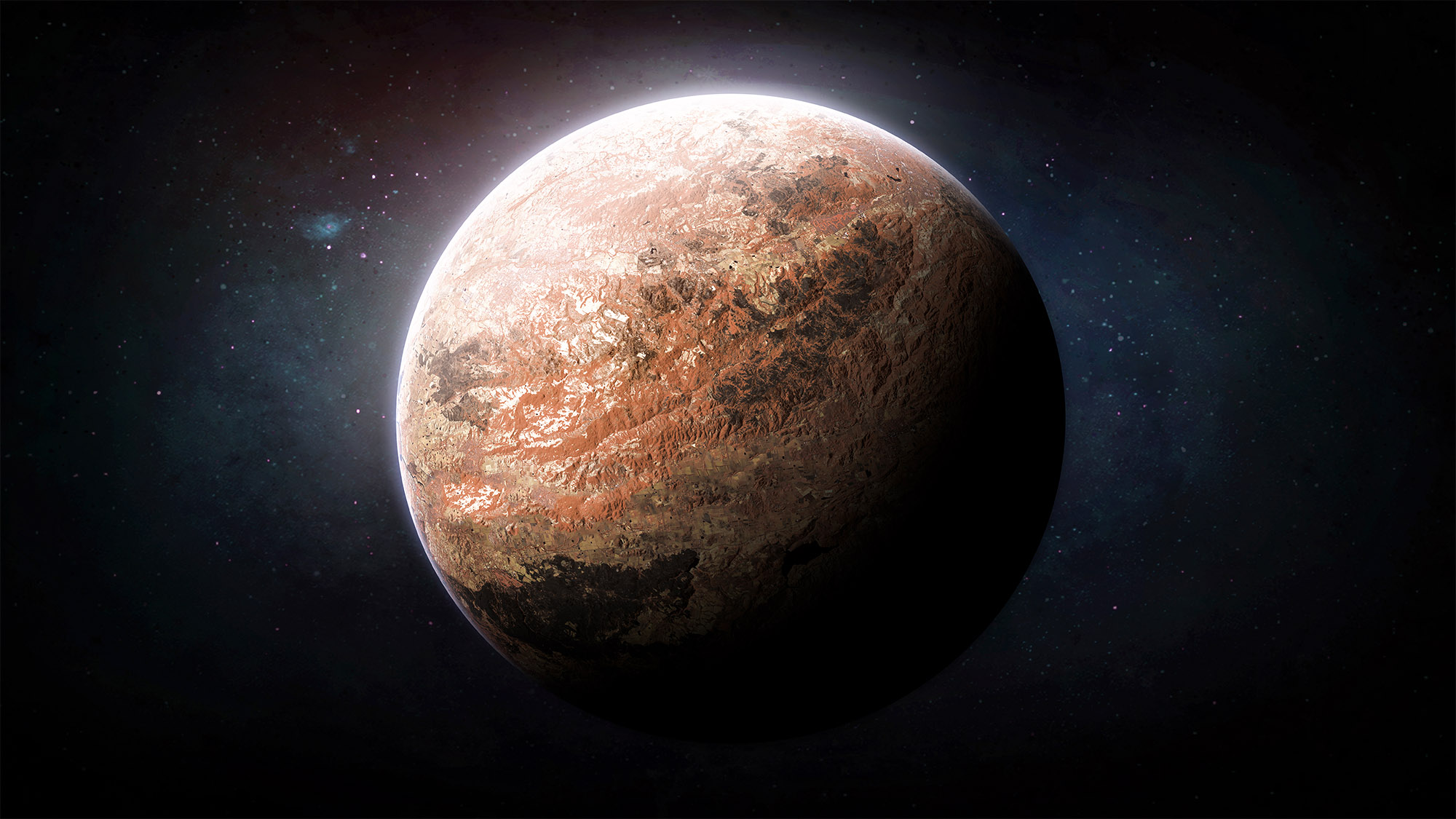
NASA Discovers Exoplanet HD 101581 b With Conditions That Could Support Rocks
NASA researchers announced the discovery of exoplanet HD 101581 b, which has conditions that could potentially support rocks. The planet's w
 The Onion·5mo ago
3D Climate Model Suggests Longer Lifespan for Earth's Biosphere Than Previously Estimated
This article presents new three-dimensional climate model calculations that predict a longer lifetime for Earth's vegetative biosphere than
 agupubs.onlinelibrary.wiley.com·14d ago
Quantum Limits of Exoplanet Detection: Current Telescopes Have Room to Improve
This article discusses a new scientific study published in Physical Review A that explores the fundamental quantum limits of detecting exopl
astrobites.org·17d ago
Comments
Sign in to join the conversation.
No comments yet. Be the first.