
























Microlensing Event in the Large Magellanic Cloud May Reveal Primordial Black Hole
Summary
A star in the Large Magellanic Cloud briefly brightened on December 18, 2019, in a smooth symmetrical event lasting about an hour, consistent with gravitational microlensing. The lensing object has been named Phoebe, and a new paper proposes it could be a primordial black hole, presenting one of the most intriguing puzzles in modern astronomy.
Source

 bskyMicrolensing Event in the Large Magellanic Cloud May Reveal Primordial Black Holetwelvemountains.com
Key quotes
· 4 pulledOn the night of 18 December 2019, a star in our satellite galaxy, the Large Magellanic Cloud, briefly got brighter.
Not dramatically nor explosively, just a smooth symmetrical rise and fall in brightness lasting about an hour, as though something had passed in front of it and bent its light toward us.
That something has been named Phoebe. And working out what it actually is turns out to be one of the most intriguing puzzles in modern astronomy.
The paper proposes that the lens could be a primordial black hole
You might also wanna read


Discovery of a 36 Billion Solar Mass Black Hole in the Cosmic Horseshoe Gravitational Lens
The article discusses the discovery of a supermassive black hole (SMBH) with a mass of 36 billion solar masses at the center of the Cosmic H
 academic.oup.com·10mo ago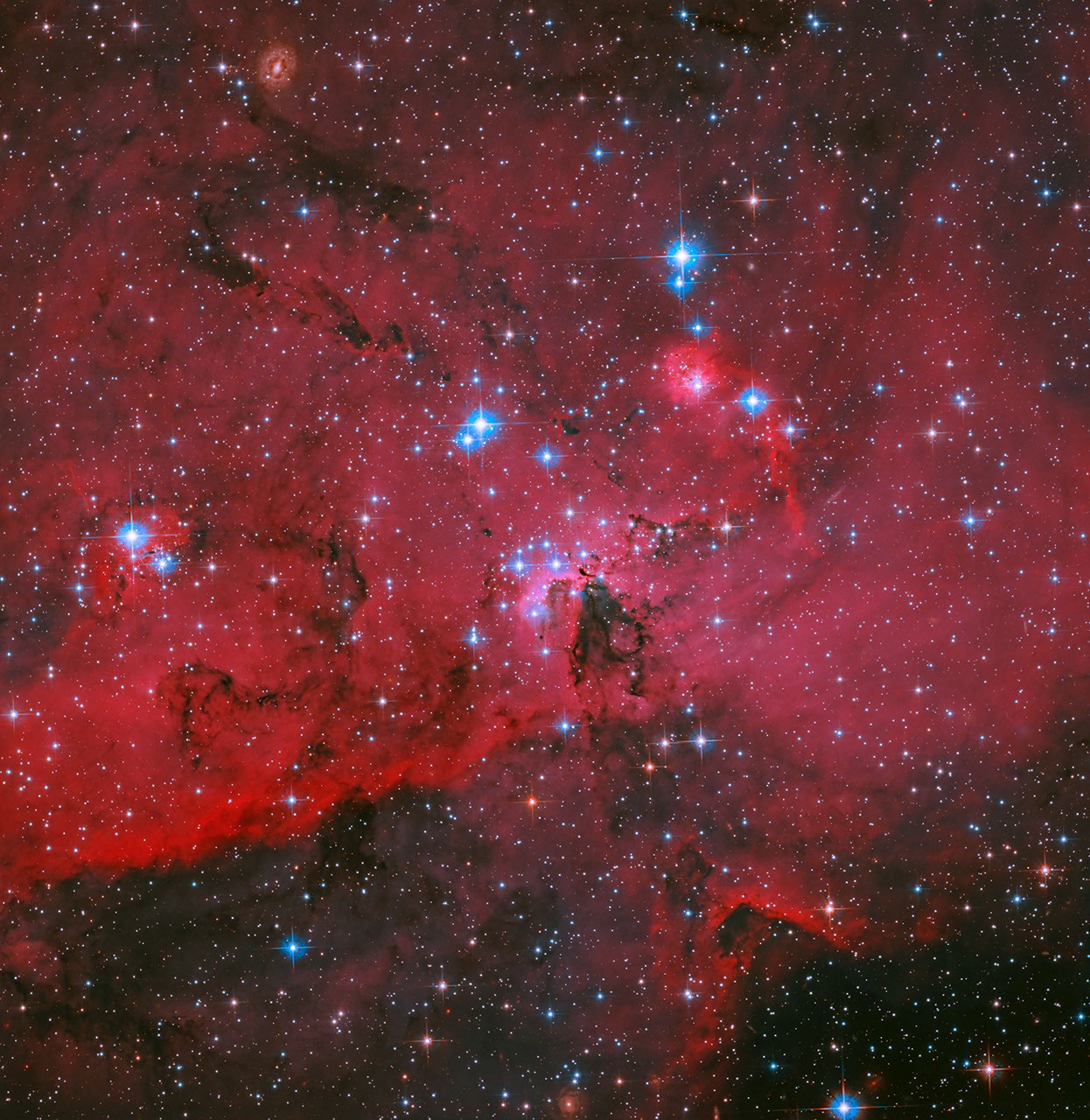
Hubble captures stellar nursery LH 95 in the Large Magellanic Cloud
NASA's Hubble Space Telescope has captured a stunning image of LH 95, a stellar nursery in the Large Magellanic Cloud (a dwarf galaxy orbiti
 go.nasa.gov·12h ago
Quasar at the Dawn of the Universe “Blinked” for Astronomers have observed the flickering quasar J0439+1634 as it appeared just 850 million years after the Big Bang — one of the earliest such objects
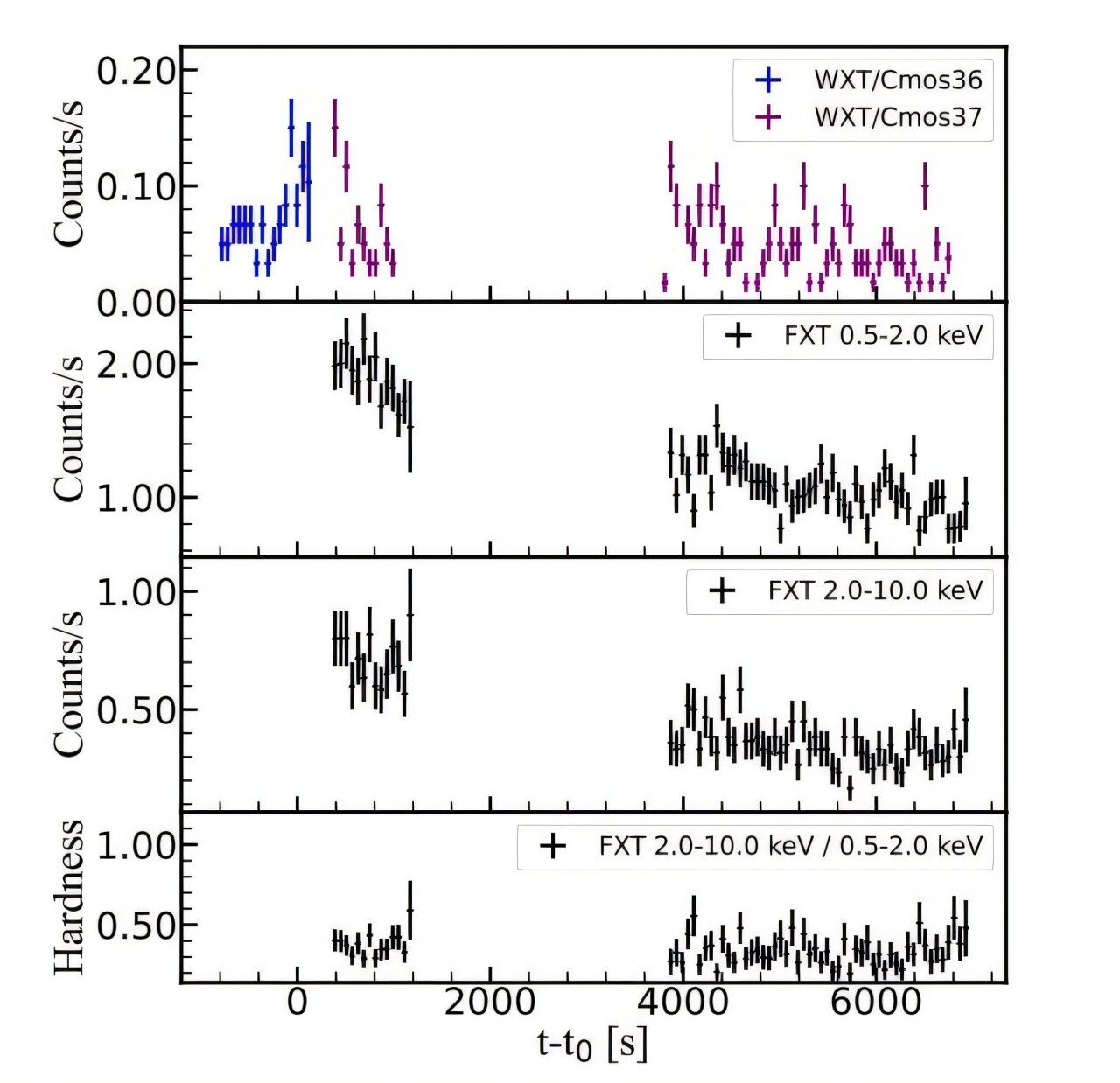
Einstein Probe Detects X-ray Flare from Nearby Star 150 Light Years Away
Astronomers using the Einstein Probe (EP) have detected a new X-ray transient event identified as an X-ray flare from the star PM J23221-030
 phys.org·6mo ago
Astronomers observe star in Andromeda vanish, likely forming a black hole without a supernova
Astronomers have observed the mysterious disappearance of a massive star called M31-2014-DS1 in the Andromeda Galaxy, 2.5 million light-year
 universal-sci.com·9d ago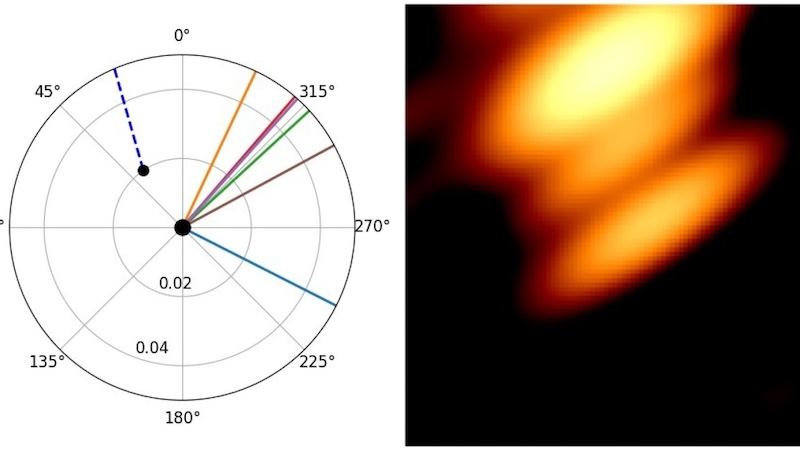
First Image Captured of Two Black Holes Orbiting Each Other in Distant Quasar
Scientists have captured the first confirmed image of two black holes orbiting each other in quasar OJ287, located five billion light-years
 helsinkitimes.fi·8mo ago
Comments
Sign in to join the conversation.
No comments yet. Be the first.