
























Appears on


Articles18
H


Freeing LLMs from the Chat Pane: A Vision for Better AI Harnesses
Opinion
0
 eardatasci.github.io2d ago
H
write for one person
News
0
 wizardzines.com1mo ago
Building a custom photo workflow: How I created "phloto" for my photography pipeline
0
cceckman.com1mo ago
Building Hengefinder: A Programmer's Guide to Calculating Urban Solar Alignments
0
 victoriaritvo.com1mo ago
A Practitioner's Perspective on Program Analysis and Software Correctness
About ten years ago, I started thinking in earnest about how we could make it easier to write correct programs. Researching this question led me to topics like formal methods and type systems, techniques to help establish that a given program adheres to s
Insight
0
sawyer.dev2mo ago
A Programmer's Retreat: Coding Without AI in Brooklyn
News
0
 miguelconner.substack.com3mo ago
An Interactive Introduction to Conflict-Free Replicated Data Types (CRDTs)
0
 jakelazaroff.com4mo ago
H

Exploring Houseplant Programming: Creating Personal Software Projects for Joy
Opinion
0
 hannahilea.com4mo ago
The Challenges of Building a Better Book Tracking Platform: Why There's No Letterboxd for Books
Insight
0
rygoldstein.com4mo ago
Understanding Semantle: A Wordle Variant That Uses Semantic Similarity Scoring
Insight
0
victoriaritvo.com4mo ago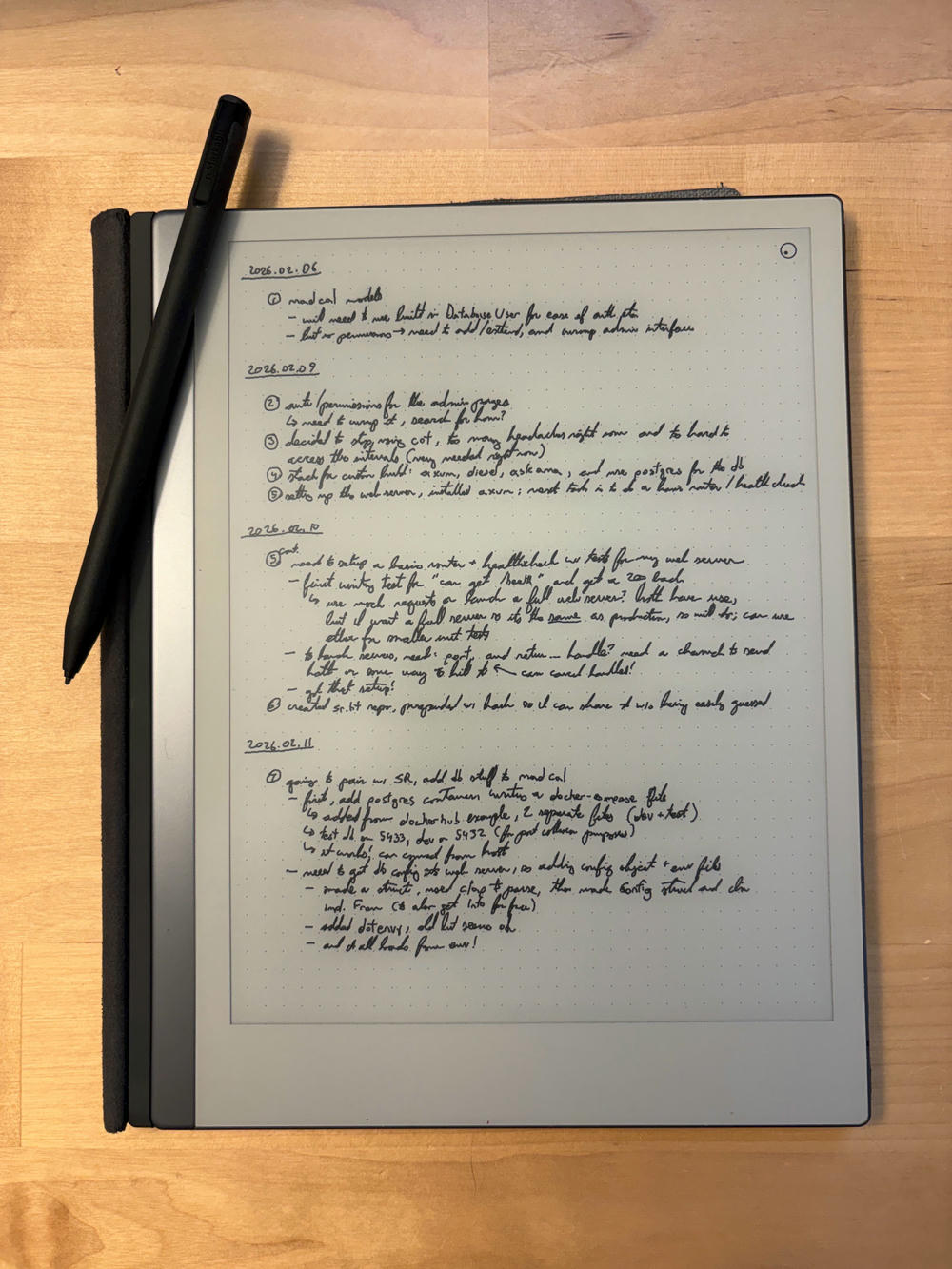
The Value of Handwritten Engineering Notebooks for Software Development Productivity
Opinion
0
 ntietz.com5mo ago
DIY Foamcore Drawer Organizers: A Custom Storage Solution
0
 capnfabs.net5mo ago
rs-sdk: Runescape Automation Library for Coding Agents and Research
Code
0
 github.com5mo ago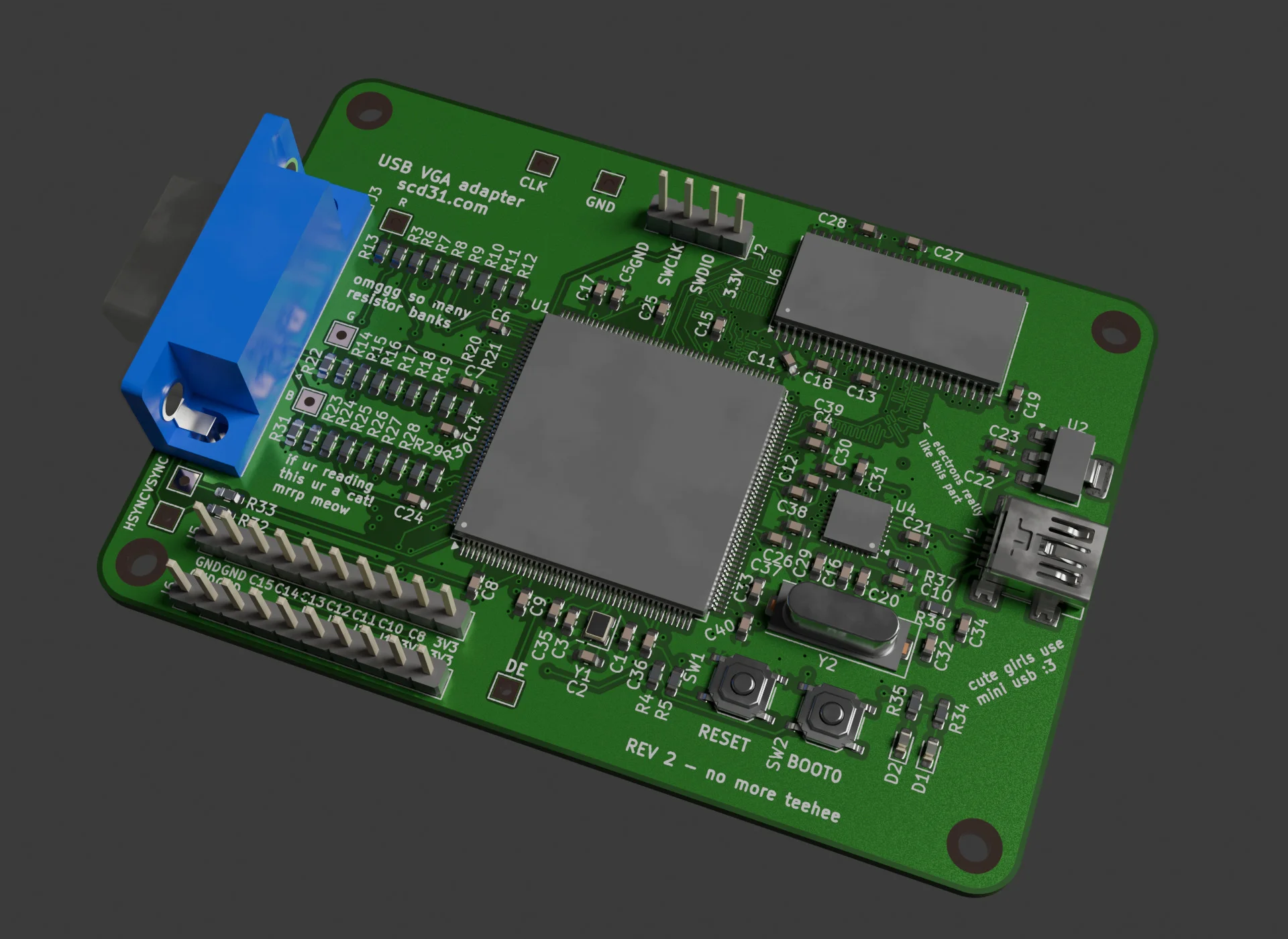
Building a Custom 24-bit USB-to-CRT Display Adapter for Arcade Machines
0
 scd31.com5mo ago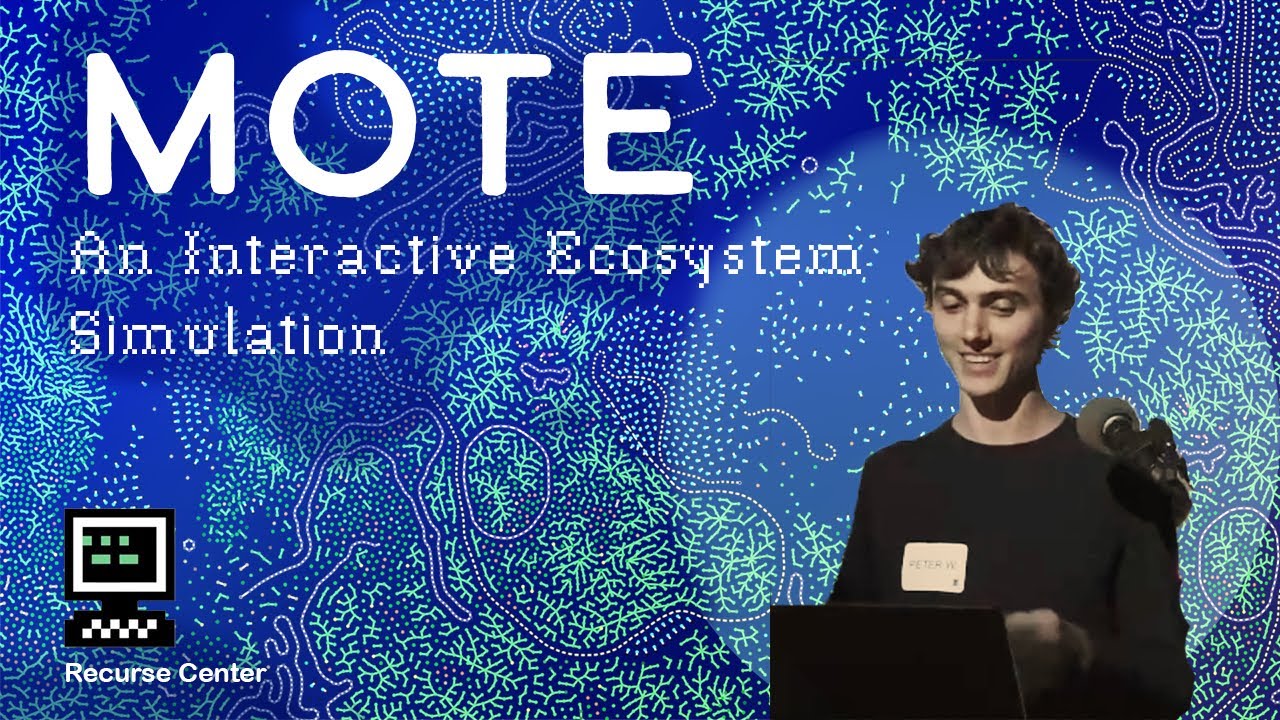
Mote: An Interactive Ecosystem Simulation - Technical Talk by Peter Whidden
News
0
 youtube.com5mo ago
Proposal for GitHub to charge users for open source dependencies to fund developers
Listen to me.
Opinion
0
blog.greg.technology6mo ago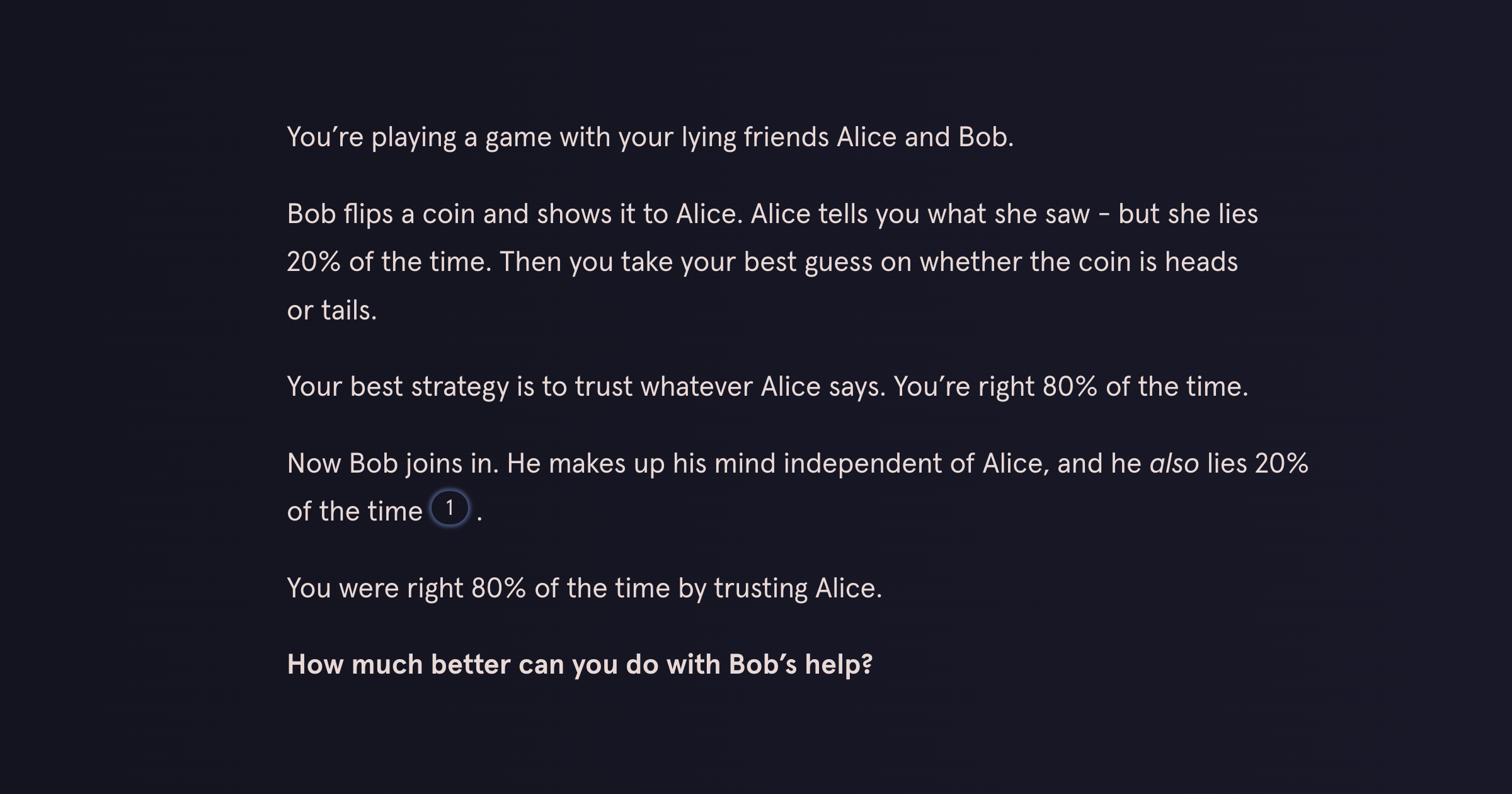
Probability Puzzle: Combining Information from Multiple Unreliable Sources in a Coin-Flipping Game
Insight
0
 eieio.games6mo ago
Balancing AI Coding Tools: Using Technology for Learning vs. Dependency
I use ai coding tools a lot. I love them. I’m all-in on ai tools. They unlock doors that let me do things that I cannot do with my human hands alone.
Opinion
0
anniecherkaev.com6mo ago