Shared by @shihcheng.bsky.social ↗
 Shared by @chicagotribune.com ↗
 chicagotribune.com7h ago
 Shared by @washingtonpost.com ↗
 washingtonpost.com7h ago
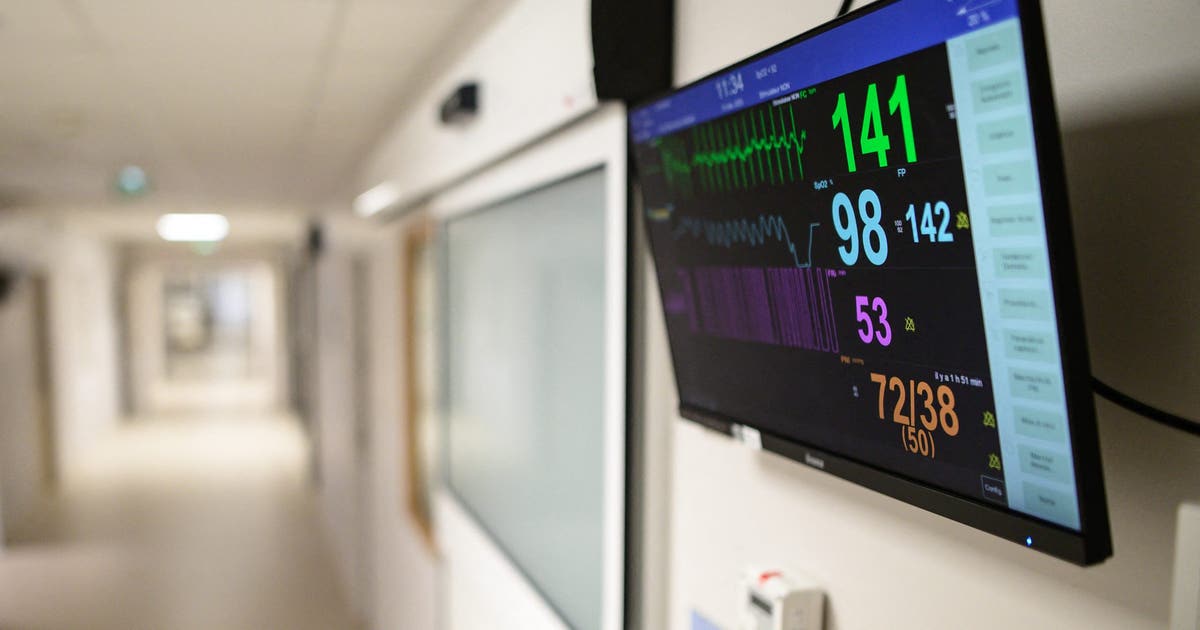
Researchers at the University of California, Berkeley have trained an artificial intelligence model on standard, 10-second electrocardiogram (ECG) readings to detect patterns linked to sudden cardiac death that doctors routinely miss, according to a study published in Nature. The work addresses what fox5dc.com described as a critical gap: hundreds of thousands of Americans die from cardiac arrest each year, and survival rates are extremely low when it occurs outside a hospital. "The model identifies warning signs that doctors have traditionally missed, potentially helping to identify at-risk individuals, including younger athletes and people without known heart problems, before a cardiac arrest occurs." Fox5dc.com and fox7austin.com both noted that the AI could flag people who appear healthy but carry hidden electrical signals in their heart, offering a chance to intervene before a catastrophic event. Sudden cardiac arrest kills more than 300,000 people annually in the U.S., and the study's authors believe this tool could help determine who would benefit from preventive measures such as implantable defibrillators. Scientificamerican.com reported that the research team, led by Ziad Obermeyer, employed a two-model strategy: one neural network predicts risk, and a second model then explains what the first one was detecting, revealing hidden signals in the heart's electrical activity that human clinicians typically cannot see. This dual approach helps address the longstanding challenge of deciding which patients actually need an implantable defibrillator, a question that has often confounded doctors. "The AI model identifies patients at high risk who might benefit from implantable defibrillators, addressing the key challenge of determining who needs these devices." The tool runs on the same routine ECG already collected in most doctor visits, meaning the screening could be deployed without additional tests or costs. Fox7austin.com emphasized that early detection is critical because most sudden cardiac deaths happen without any prior symptoms, and the AI's ability to parse standard data could make it a scalable, low-friction addition to preventive cardiology.

Rolling Stone's editors curated a list of the 8 best at-home saunas, reviewing products that bring the spa experience into your home. The article covers various types of saunas (traditional, infrared, portable) with recommendations for different budgets and spaces, highlighting b
 Rolling Stone·8h ago·13 min read
Dhruv Khullar reviews two new books—Saul Justin Newman's "Morbid" and Ezekiel J. Emanuel's "Eat Your Ice Cream"—that critically examine the modern longevity science movement. The article explores how the quest to slow aging and extend human lifespan is fraught with questionable d
 newyorker.com·Hacker News: Front Page·9h ago·16 min read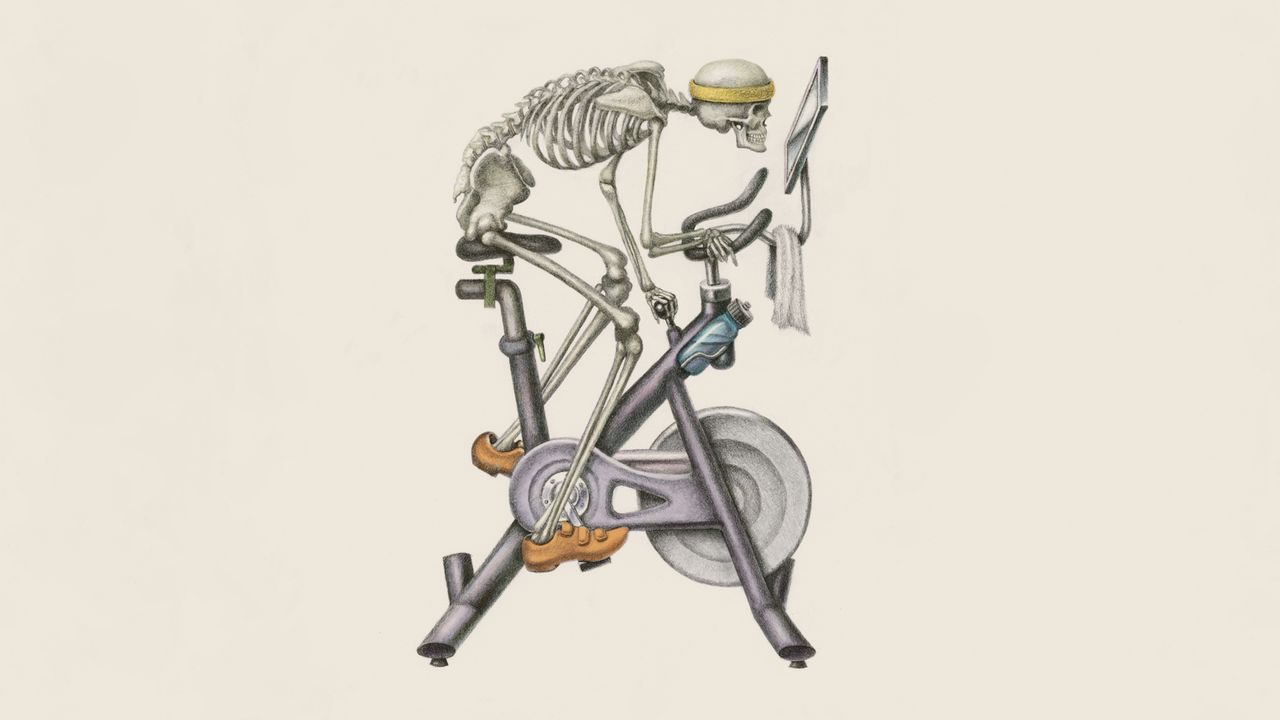
 Shared by @shihcheng.bsky.social ↗
 Shared by @jibarrondo.bsky.social ↗
 pnas.org12h ago
 Shared by @jibarrondo.bsky.social ↗pnas.org12h ago
 Shared by @cbrovld.bsky.social ↗
 cerebral-overload.com13h ago
 Shared by @raeng.org.uk ↗
 ingenia.org.uk13h ago
 Shared by @stcatstandard.bsky.social ↗
 stcatharinesstandard.ca13h ago
 Shared by @healthjournalism.org ↗
 healthjournalism.org13h ago
 Shared by @barabasi ↗
 news.northeastern.edu14h ago
 Shared by @adhdevidence.bsky.social ↗
 adhdevidence.org14h ago