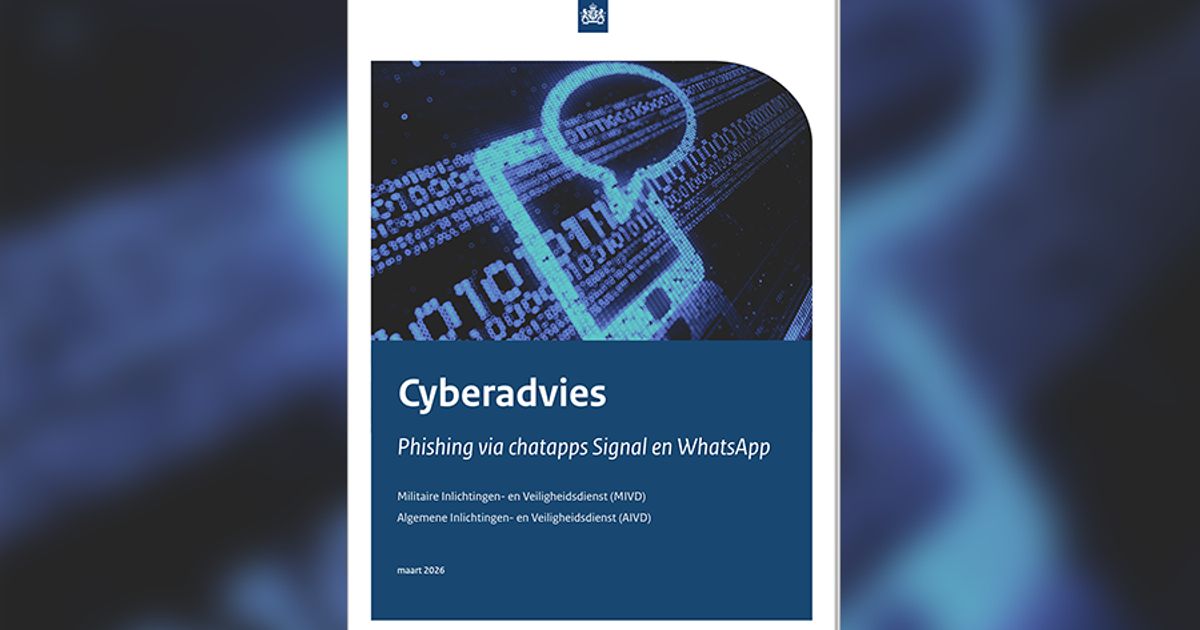
 Shared by @emryss.bsky.social ↗
 theregister.com18m ago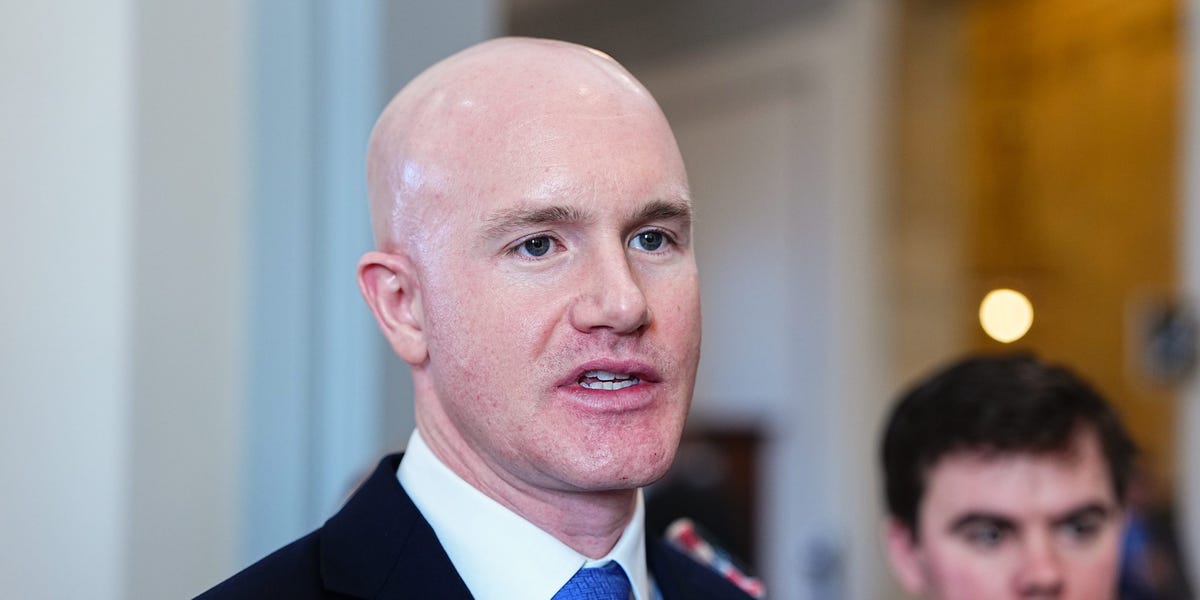
 Shared by @businessinsider.com ↗
 businessinsider.com19m ago
 Shared by @overnetcity.bsky.social ↗
 techcrunch.com19m ago
NASA is racing to save its 22-year-old Swift Observatory, paying startup Katalyst Space Technologies $30 million for a first-of-its-kind robotic rescue mission to lift the telescope into a higher orbit. The Neil Gehrels Swift Observatory, which detects gamma-ray bursts, X-rays, and ultraviolet light from cosmic explosions, risks falling back to Earth as its orbit decays faster than expected due to heightened solar activity. According to Space.com, the Swift Boost mission launches June 27 from the Marshall Islands aboard a Pegasus rocket. Swift launched in 2004 on a planned two-year mission but has remained vital for astronomers studying explosive cosmic events. The AP reported that the telescope has been sinking more rapidly because of recent intense solar storms, which increase atmospheric drag. CBS News noted that the rescue operation is critical to extending Swift's operational life for continued space observation. The rescue involves a three-armed robotic spacecraft that will chase down Swift and physically boost its orbit, a maneuver never before attempted for a NASA science satellite. HuffPost detailed that the mission launches this week from the Marshall Islands aboard a Pegasus rocket, with Katalyst Space Technologies leading the effort. "No one has ever attempted to robotically grab and boost the orbit of a scientific satellite before, aside from a few demonstration missions." The agency's willingness to fund such an unprecedented mission underscores Swift's enduring scientific value, as it remains one of the few platforms capable of rapidly detecting and observing transient cosmic phenomena. "The nearly 22-year-old space telescope, which hunts gamma-ray bursts and cosmic explosions, is being dragged out of orbit by higher-than-expected atmospheric drag caused by solar storms." By extending Swift's life, the mission ensures continued observations of gamma-ray bursts and other cosmic explosions, according to ABC News, while demonstrating a new capability for on-orbit servicing of aging scientific spacecraft.
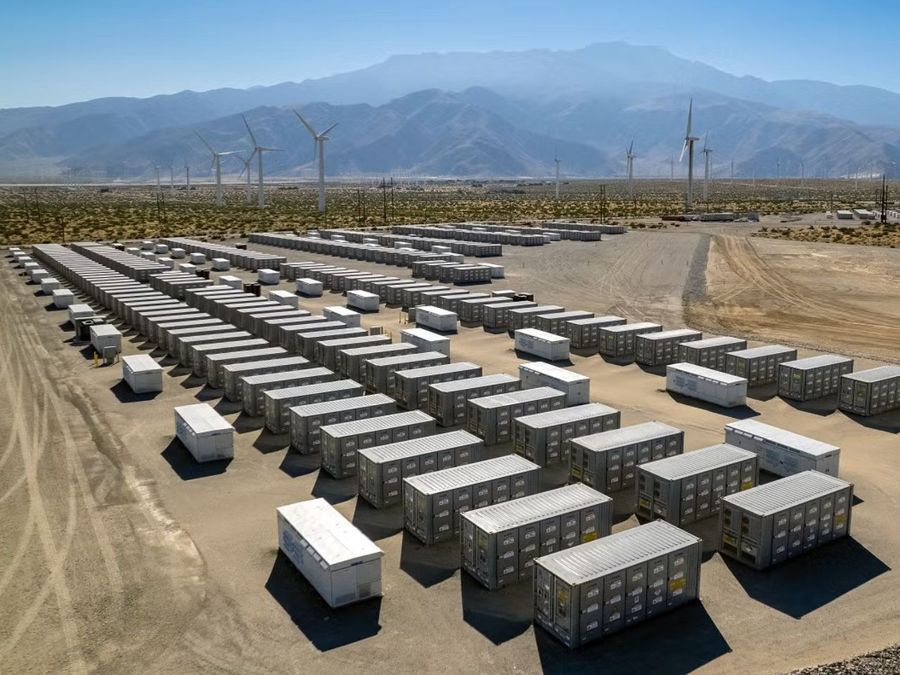
Envision Energy has signed a 660 MWh battery energy storage system (BESS) supply agreement with South Africa's SOLA Group and construction firm WBHO for the Naos-1 project. The project, located near Viljoenskroon in South Africa's Free State province, will integrate 300 MW of sol
/saur-energy/media/agency_attachments/2025/06/20/2025-06-20t080313673z-favicon-prasanna-singh-1-2025-06-20-13-33-13.png) saurenergy.com·Tech by Flipboard·21m ago·4 min read
saurenergy.com·Tech by Flipboard·21m ago·4 min readZeta Global and Palantir Technologies announced a strategic partnership to rebuild enterprise AI infrastructure by rearchitecting Zeta's Data Cloud on Palantir's Foundry platform, with Athena by Zeta at the center of the combined system. The integration connects operational intel
 ppc.land·Tech by Flipboard·21m ago·13 min read
 Shared by @informaq.bsky.social ↗
 arxiv.org24m ago
 Shared by @undercode.bsky.social ↗
 undercodetesting.com25m ago
 Shared by @shadowfetchnews.bsky.social ↗
 cnbc.com25m ago
 Shared by @grantforge.bsky.social ↗
 stellar.org26m ago
 Shared by @coralspringsnews.bsky.social ↗
 coralspringsflnews.com27m ago
 Shared by @bigearthdata.ai ↗
 startupfortune.com27m ago
 Shared by @warwickshireuk.bsky.social ↗
 bbc.co.uk27m ago
 Shared by @ploeh.dk ↗
 blog.ploeh.dk27m ago
 Shared by @marketwire.bsky.social ↗
 seekingalpha.com27m ago
 Shared by @circleboom.com ↗
 circleboom.com27m ago