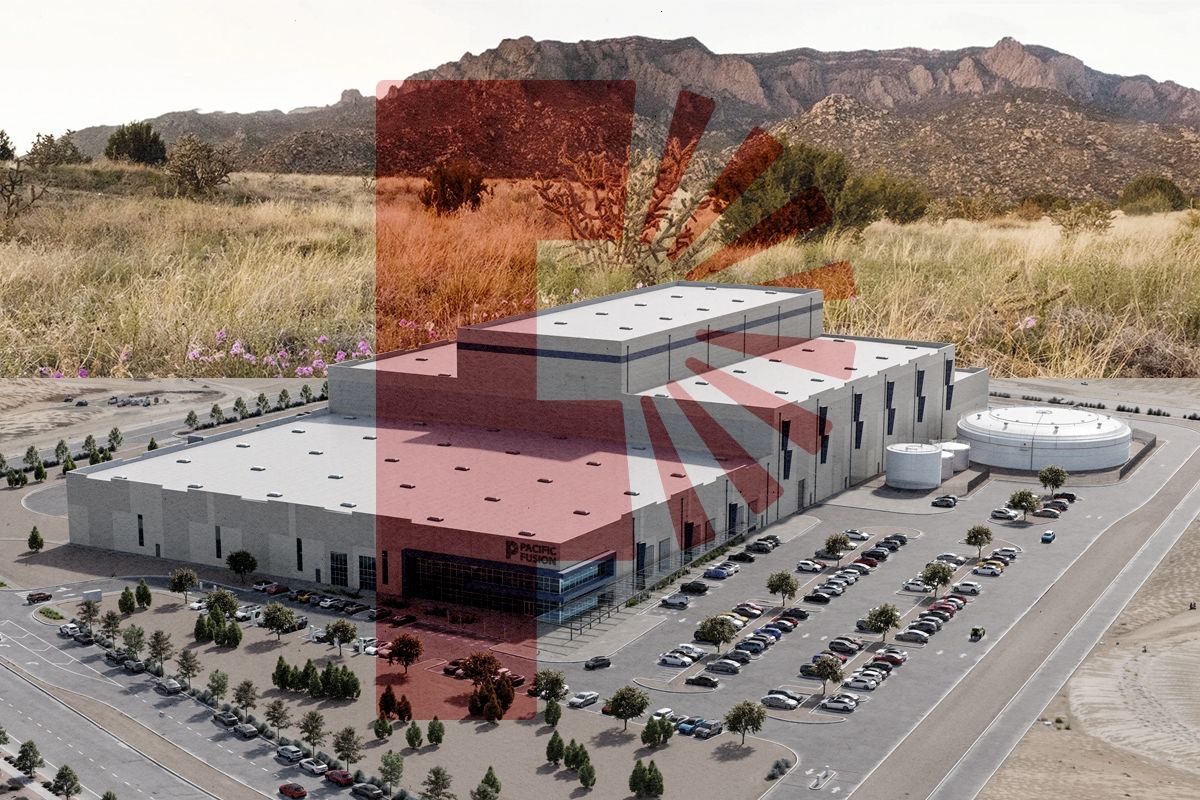
Pacific Fusion's groundbreaking marks a serious push toward commercial fusion, targeting net facility gain by 2030. If it works, it would be the first plant to produce more power than it consumes, a huge step beyond earlier lab experiments.
scienceSunday, October 4, 2026
Today's science news spans energy, space, and biology. A fusion startup breaks ground, a Cold War satellite explodes without warning, and AI shows promise in chest X-ray triage, though calibration issues remain.
Two stories push the boundaries of how we generate and manage energy, from fusion power to nanoscale heat transfer.

Pacific Fusion's groundbreaking marks a serious push toward commercial fusion, targeting net facility gain by 2030. If it works, it would be the first plant to produce more power than it consumes, a huge step beyond earlier lab experiments.
Engineered metamaterials that boost heat transfer across nanoscale gaps could lead to better cooling for electronics. The fourfold improvement over ordinary thermal radiation is a practical win for high-performance computing.
Space makes news with a satellite explosion and a new milestone in Starlink deployment.
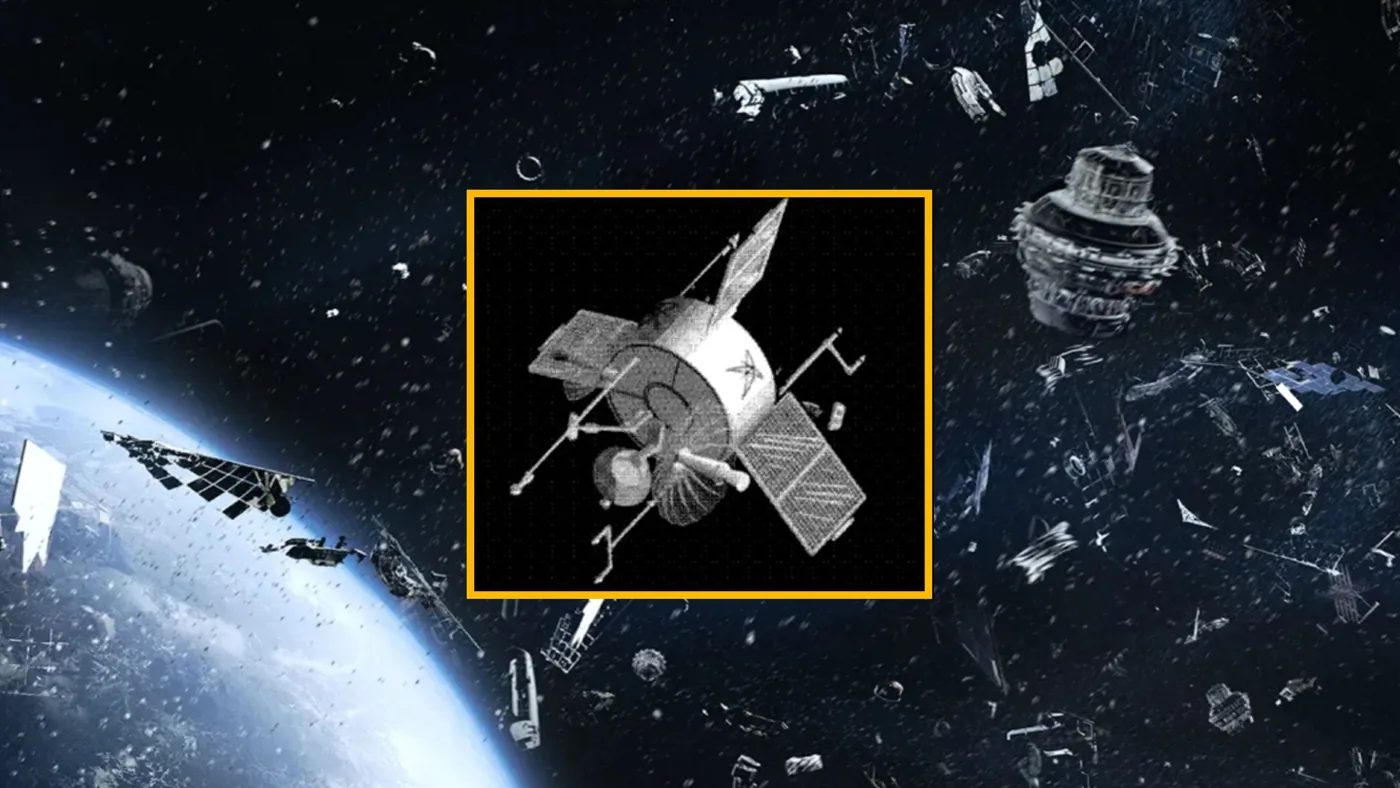
A 1988 spy satellite exploding in orbit without warning is a reminder of how much space debris is out there. The cause is unknown, which is unsettling for satellite operators and space agencies alike.

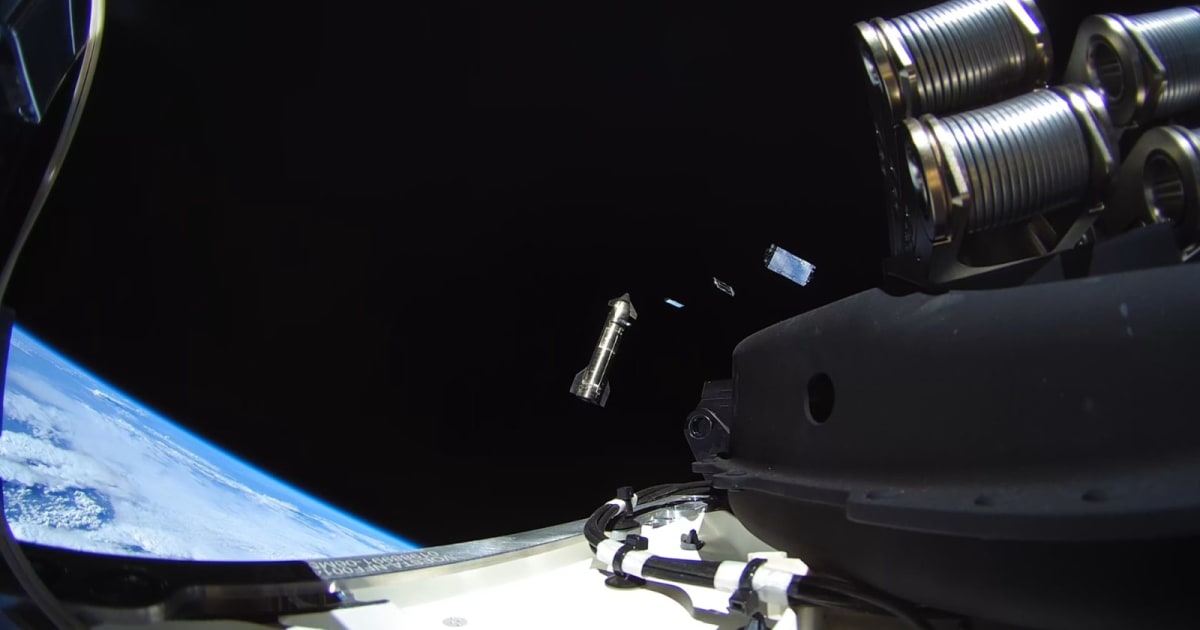
Starlink's first deployment from Starship's upper stage is a milestone for SpaceX's next-generation internet constellation. It shows the heavy-lift vehicle can now deliver satellites to orbit, not just test launches.
From AI diagnostics to bee behavior, biology offers both practical advances and deeper insights.
AI triaging chest X-rays in Nepal shows promise for easing radiologist workloads, but calibration issues could lead to unnecessary follow-ups. The study highlights the gap between safe rule-out and over-triggering.
Alien Technology Deserves an XPRIZEavi-loeb.medium.comThis annual event which runs till October 10 focuses on educating people on space via various programmes held across the world.
Task organization in the bee colonyscientificinquirer.com
HHU Düsseldorf researchers show they can control which tasks honeybees perform by selectively silencing specific neural circuits tied to a single gene.
Study reveals FET proteins and PARylation aid DNA repair. Upon PARG inhibition, replication fork reversal occurs. Key in cancer therapy. Insights into genome stability! PMID:42380136, Nat Commun 2026, @NatureComms #Medsky #Pharmsky #RNA #ASHG #ESHG 🧪
Island-structured perovskite solar cells keep light balanced for crops growing underneathwww.perovskite-info.com
Researchers at Italy's Institute for Microelectronics and Microsystems, part of the National Research Council (IMM-CNR), working with colleagues at the National Research Council's Institute of BioEconomy (IBE-CNR), have developed a semi-transparent perovskite solar cell architect
The Affordable Le Creuset Alternative At Costco That Could Save You Hundredswww.chowhound.com
If you're a fan of Le Creuset but can't afford to splurge on cookware right now, Costco's got you covered with an equally aesthetic alternative.
Make Mashed Potatoes Italian-Style With Just A Dash Of This Spicewww.chowhound.com
Mashed potatoes can be made any number of ways, including Italian style with the addition of this unexpected spice. Don't add too much, though.
Every Picture Tells a Story 1mineralmatters.substack.com
Mineral Matters #1200 - Every Picture Tells a Story 1 #minerals #mineralmatters #🧪 mineralmatters.substack.com/p/every-pict...
Studying neo-polyploid Arabidopsis kamchatica: detailed genomes of progenitors A. halleri & A. lyrata reveal immediate DNA methylation & gene expression shifts post-polyploidization. PMID:42380194, Nat Commun 2026, @NatureComms #Medsky #Pharmsky #RNA 🧪