The piece argues that carbon capture's failure to scale is a business problem, not an engineering one. If true, it shifts the debate from solvent chemistry to policy and pricing.
scienceTuesday, August 18, 2026
Carbon capture's real hurdle isn't technical
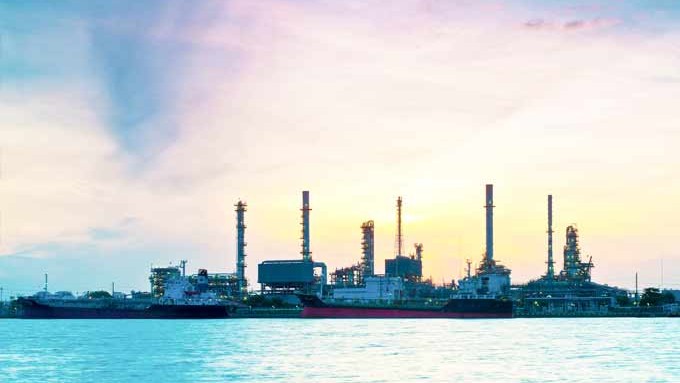
Today's science news is mostly about the economics and politics of big systems: carbon capture, climate policy, and the global scramble for critical minerals. The technical problems are solved or solvable; the question is who pays and who benefits.
The money problem
The day's biggest stories are about the gap between what's technically possible and what's economically viable.
Australian investors are pushing for tougher rules on fossil fuels under the Safeguard mechanism, saying current targets won't meet climate goals. It's a rare case of capital demanding stricter regulation.
Lithium mining in the Sahel is funding armed groups, a dark side of the clean energy transition. Weak governance turns a green mineral into a conflict resource.
Climate's uneven impacts
Two pieces today show how climate effects are distributed unevenly, both geographically and socially.
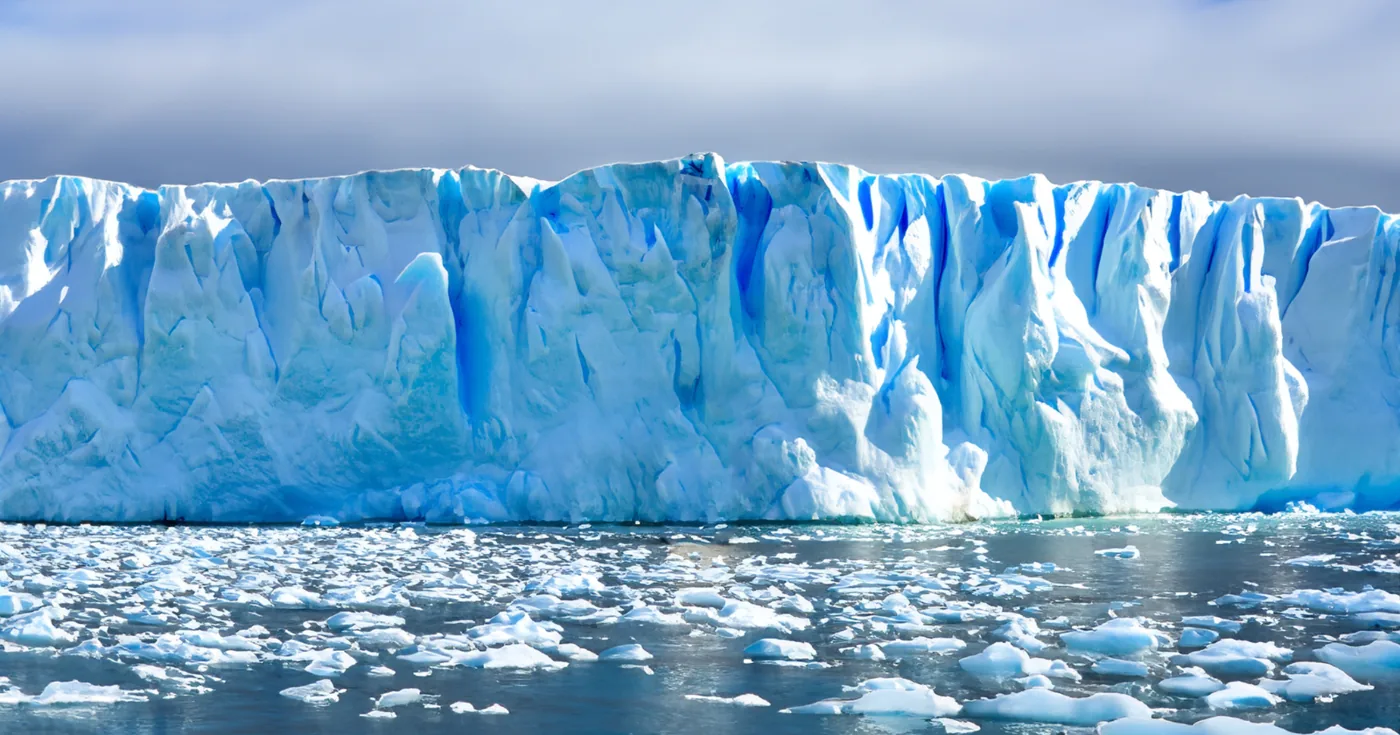
Sea-level rise isn't uniform: melting ice sheets shift gravity and rotation, so distant coasts can see more rise. It's a useful correction to the 'bathtub' mental model.

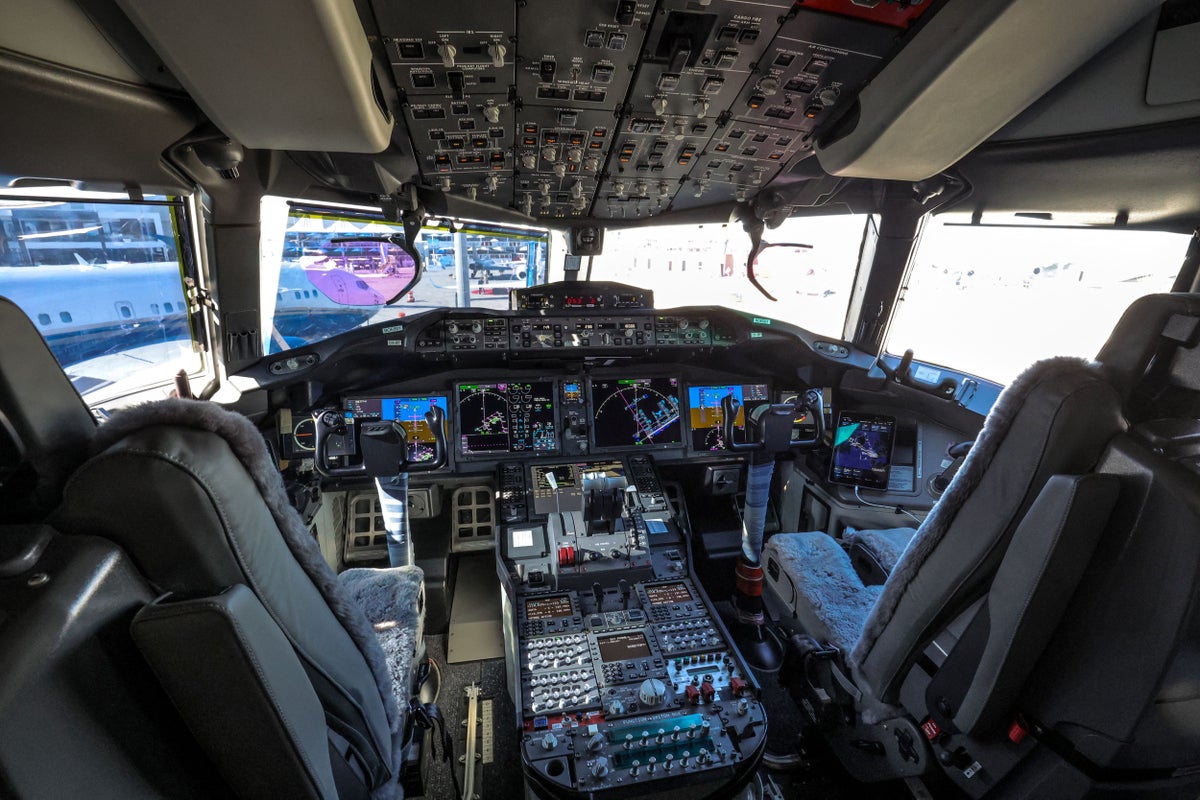
Flight crews face higher radiation cancer risk than nuclear workers, yet lack occupational protections. It's a regulatory gap that's easy to overlook.
Also today15
The Former Ninth Planet - Why Isn't Pluto Considered a Planet Anymore?www.amidthestarstours.com
New high-tech forum looks at photonics and quantum technologywww.rnz.co.nz
Nobel Prize Highlights Urgency of Post-Quantum Cryptographyiq.fp2.dev
Watch European astronaut make history during spacewalk todaywww.space.com
APOD: 2026 August 18 – Perseids from Perseusscience.nasa.gov
Lala Batters Hawaiiscience.nasa.gov
Bigger than Godzilla: Fortescue receives second shipment of turbine parts to top “self-lifting” towersreneweconomy.com.au
A second shipment of some of the biggest wind turbine parts yet seen in Australia, including the longest blades, is en route to Fortescue’s first wind farm in the Pilbara. The post Bigger than Godzilla: Fortescue receives second shipment of turbine parts to top “self-lifting” tow
Nepal’s newest national parks drive tiger recovery, but emerging concerns threaten progressnews.mongabay.com
In the last four years, Nepal’s wild tiger population has experienced a historic increase. In 2022, the tiger (Panthera tigris tigris) population was numbered at 355 individuals. Now, it has reached an estimated 429 individuals — nearly a four-fold jump from 16 years ago, reports
NMR reveals hidden electrolyte states for better batterieswww.chemeurope.com
Liquid electrolytes are often described like recipes: a salt, a solvent, an additive, and a concentration. Yet the chemistry that shapes battery lifetime, safety, and efficiency begins in a far more complex liquid environment. A new Perspective reframes battery electrolytes as ev
Xylem acquires two pump manufacturers for $1.46 billionwww.chemeurope.com
Xylem Inc. announced that it has entered into an agreement to acquire the Cornell Pump and Roper Pump businesses from Indicor for $1.46 billion. The acquisition expands Xylem's ability to serve a broader range of mission-critical industrial applications while advancing its strate
Solar panel complainer now 'supporter of plan'www.bbc.co.uk
A dispute over a solar panel plan is resolved, with the complainant now a proponent for the site.
Why a vote on taxing California’s billionaires is being watched around the worldwww.downtoearth.org.in
California’s November vote on a one-off 5% tax on billionaire wealth is a global test for democracies curbing extreme riches. Supporters say $100 billion would fund healthcare, food aid & schools, while opponents warn billionaires will flee, exposing tensions over inequality and
Global patterns and drivers of extinction risk in island endemic terrestrial vertebratesdoi.org
🌱 Island species are vanishing fastest Across 31,865 vertebrate species worldwide, island only ones are far more likely to disappear: 3.1% already extinct, 34% now threatened, since 1500. 🔗 doi.org/10.1126/sciadv.aef9781 #ecology #biodiversity 🧪
Theban tomb reveals how Egyptian burial trends evolved in timearstechnica.com
Practices shifted from individuals buried in coffins to reusing sites for later mummy interments.
The ultra rich are collecting fossils, and that’s bad for science – podcastwww.theguardian.com
One of the UK’s best fossil collections has been sold overseas in what experts have called a loss to the nation. The collection, which is now on display at the Natural History Museum in Abu Dhabi, was gathered on Dorset’s Jurassic Coast. As dinosaur fossils sell to private collec
More roundups that day
Kennedy Center, AI, and Art's New Battles
Disability justice meets fat liberation