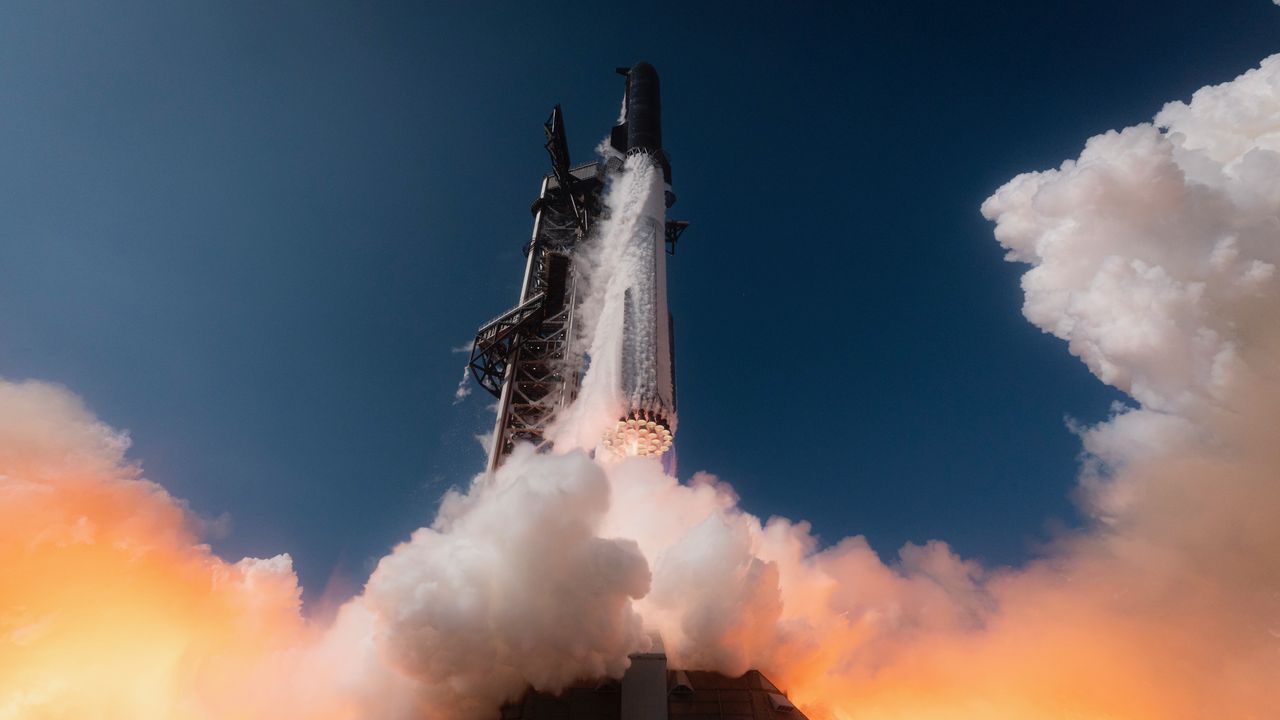
SpaceX is launching Starship on its 13th flight test today, with a 90-minute window opening at 6:45 p.m. EDT. Multiple outlets are covering it.

scienceThursday, July 16, 2026
Today's science news is a mix of big launches and deep physics. SpaceX is gearing up for Starship's 13th flight, potentially its last suborbital test, while physicists offer a simpler take on Hawking's black hole radiation. A new monkey species and a study on sedentary behavior round out the day.
Two major space stories dominate: Starship's next test and a fresh look at black holes.

SpaceX is launching Starship on its 13th flight test today, with a 90-minute window opening at 6:45 p.m. EDT. Multiple outlets are covering it.
This flight could be Starship's last suborbital test, pushing the program toward orbit. It's a repeat of Flight 12 with key differences.

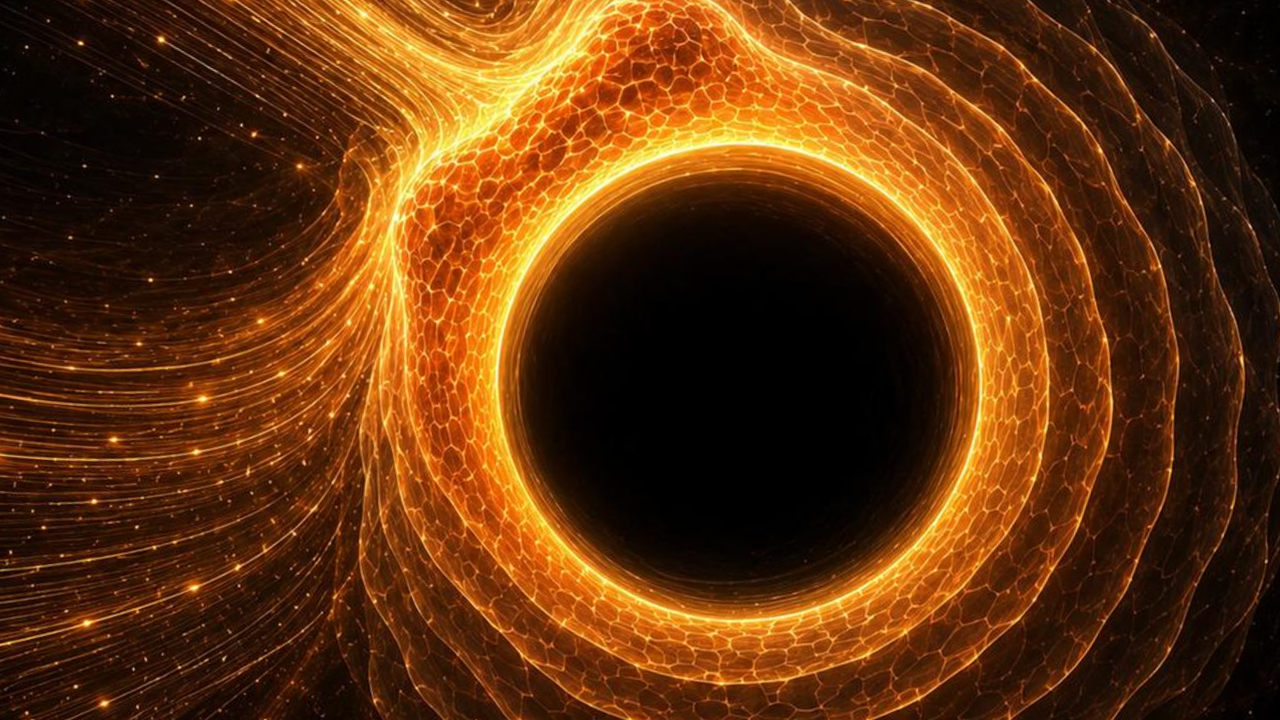
Physicists have proposed a simpler model for Hawking radiation, comparing black hole energy leakage to boiling water. Multiple outlets picked this up.
New species discoveries and health studies offer insights into biodiversity and human well-being.
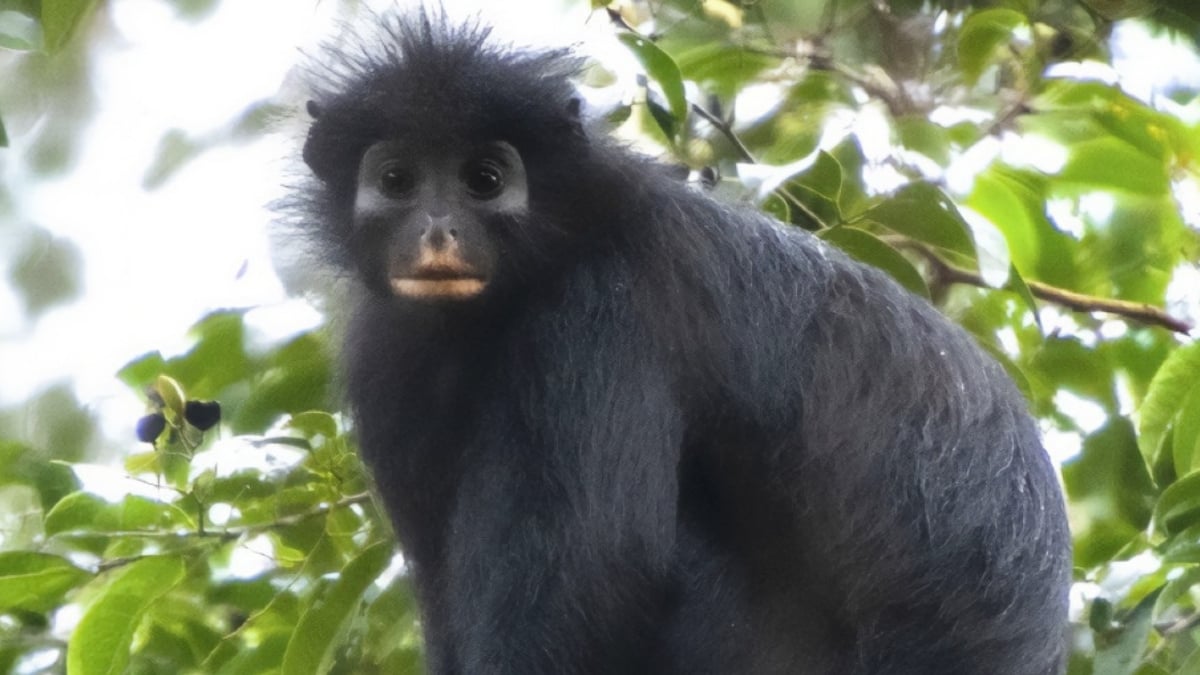
A new monkey species, Colobus congoensis, has been discovered in the Congo rainforest, showing that biodiversity surprises still await in accessible regions.

A personal story interwoven with science: new understanding of Huntington's disease suggests the mutant protein is present from birth but takes decades to cause symptoms.
‘Beasts of the East’ chronicles the unheralded restoration successes of America’s eastern wildlifenews.mongabay.comAccelerometry-measured prolonged and interrupted sedentary behavior and cancer incidence and mortality: A cohort study of 91,292 UK Biobank participantsjournals.plos.org
This prospective cohort study analyzed accelerometry data from 91,292 UK Biobank participants to examine how prolonged versus interrupted sedentary behavior affects cancer incidence and mortality. Using machine learning to classify sedentary patterns, the researchers found that p
Orphan risks at the frontier of artificial intelligencewww.futureofbeinghuman.com
This article explores the concept of "orphan risks" at the frontier of artificial intelligence — risks that fall between the cracks of existing safety and compliance frameworks. It examines how AI companies choose which risks to prioritize, revealing diverging approaches to safet
Frontier Models with Our Harness Achieve ~99% on ARC-AGI-3 Public — Schemaschema-harness.github.io
This article discusses the ARC-AGI-3 benchmark, which tests artificial general intelligence by placing agents in a game environment with no explicit instructions, rules, or goals — only raw pixel grids and legal actions. The agent must infer the game's mechanics, objectives, and
Mediterranean Diet Boosts Psychological Well-Being Over Age 50neurosciencenews.com
A longitudinal study of 3,296 adults aged 50-90 found that close adherence to a Mediterranean diet directly predicts higher long-term psychological well-being, including autonomy, self-realization, life satisfaction, and purpose. The diet also showed a protective effect during th
Scotland’s ancient human-made islands are dripping with secretswww.popsci.com
Archaeologists have discovered that Scotland's mysterious ancient human-made islands, known as crannogs, are far older than previously believed. Local diver Chris Murray found pottery fragments from a crannog in the Isle of Lewis that date back approximately 4,000 years, pushing
GOES-19 Safe Hold | NOAAwww.spaceweather.gov
NOAA's Space Weather Prediction Center (SWPC) announced that the GOES-19 satellite, which launched on June 25, 2024, has been placed into a "Safe Hold" configuration due to a magnetometer anomaly detected on July 6, 2026. The satellite's Magnetometer (MAG) instrument is experienc
Women in marine sciences in India: progress or disparity?www.frontiersin.org
This study critically examines gender equity in Indian marine sciences over a decade, analyzing national enrolment data, faculty composition across 20 academic institutions, and first-authorship records from 14 national research institutes. It interrogates whether the trajectory
What is pseudoscience?mssa.app
This article explains what pseudoscience is by first defining science as a self-questioning, transparent process using the scientific method. It contrasts pseudoscience, which mimics science's appearance but lacks its rigorous methodology, critical thinking, and self-correcting n
Super-loud gravitational waves offer a new way to study black hole event horizonsphysicsworld.com
An exceptionally loud gravitational wave signal (GW250114) from the merger of two black holes has provided unprecedented observational access to the region near a black hole's event horizon — the "surface of no return." Previously, this region could only be studied through theore

space exploration roundup
medical research roundup
geopolitics roundup
inspiration roundup
ethics roundup
economics roundup