NASA is attempting an unprecedented robotic rescue of the Swift Observatory, whose orbit is decaying; if it fails, the telescope could burn up by year's end.
scienceFriday, June 19, 2026
Today's science news is bookended by two NASA missions: one racing against orbital decay to rescue a 22-year-old telescope, another reclassifying a Milky Way relic. Meanwhile, the theoretical physics beat offers a meditation on black holes and time travel, and a new Alzheimer's screening method emerges from retinal imaging.
Two NASA stories dominate: a daring rescue mission and a surprising reclassification of a star cluster.

NASA is attempting an unprecedented robotic rescue of the Swift Observatory, whose orbit is decaying; if it fails, the telescope could burn up by year's end.
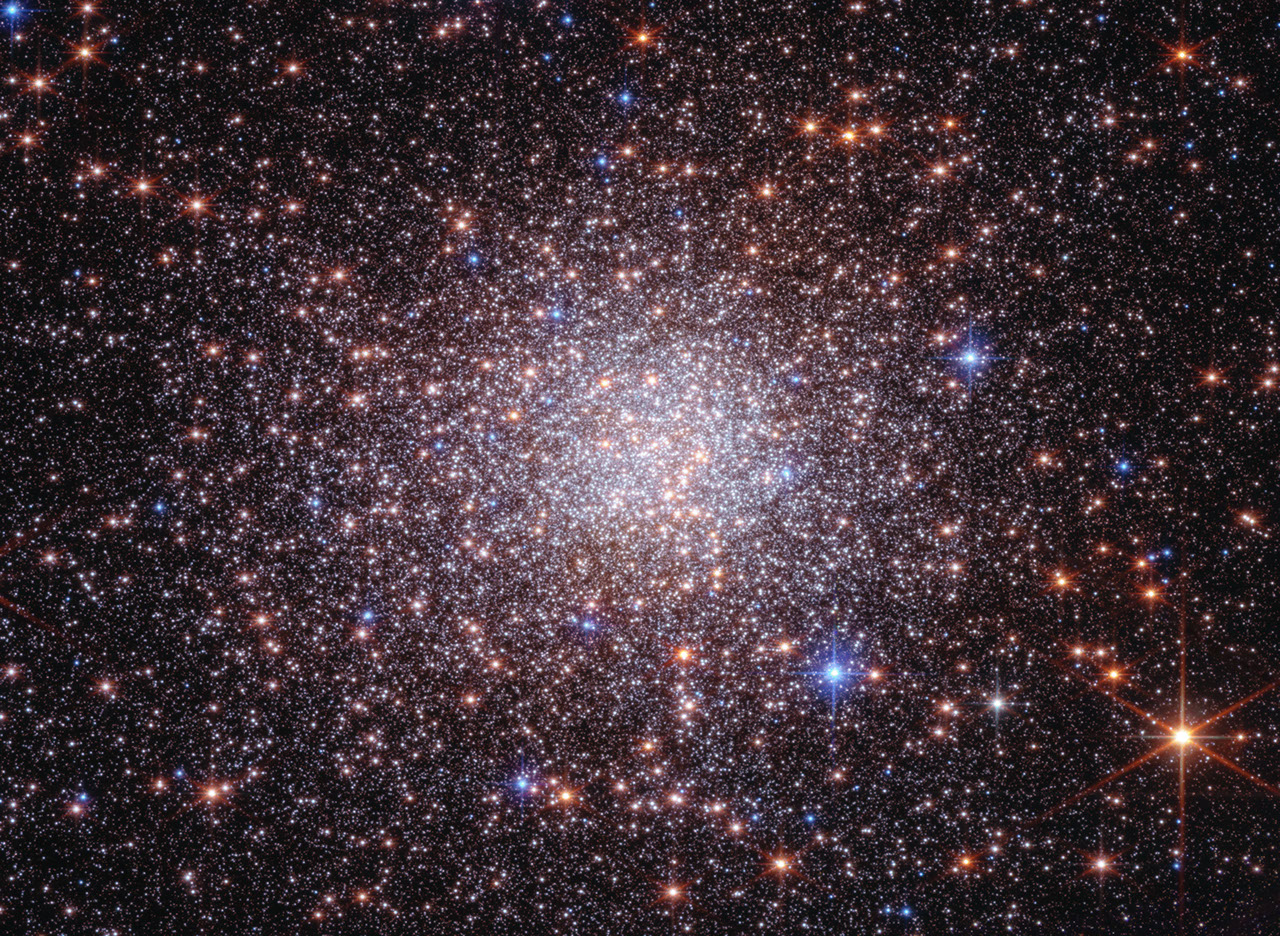
Webb and Hubble data reveal Terzan 5 is not a simple globular cluster but a complex system with multiple star populations, offering clues to galaxy formation.
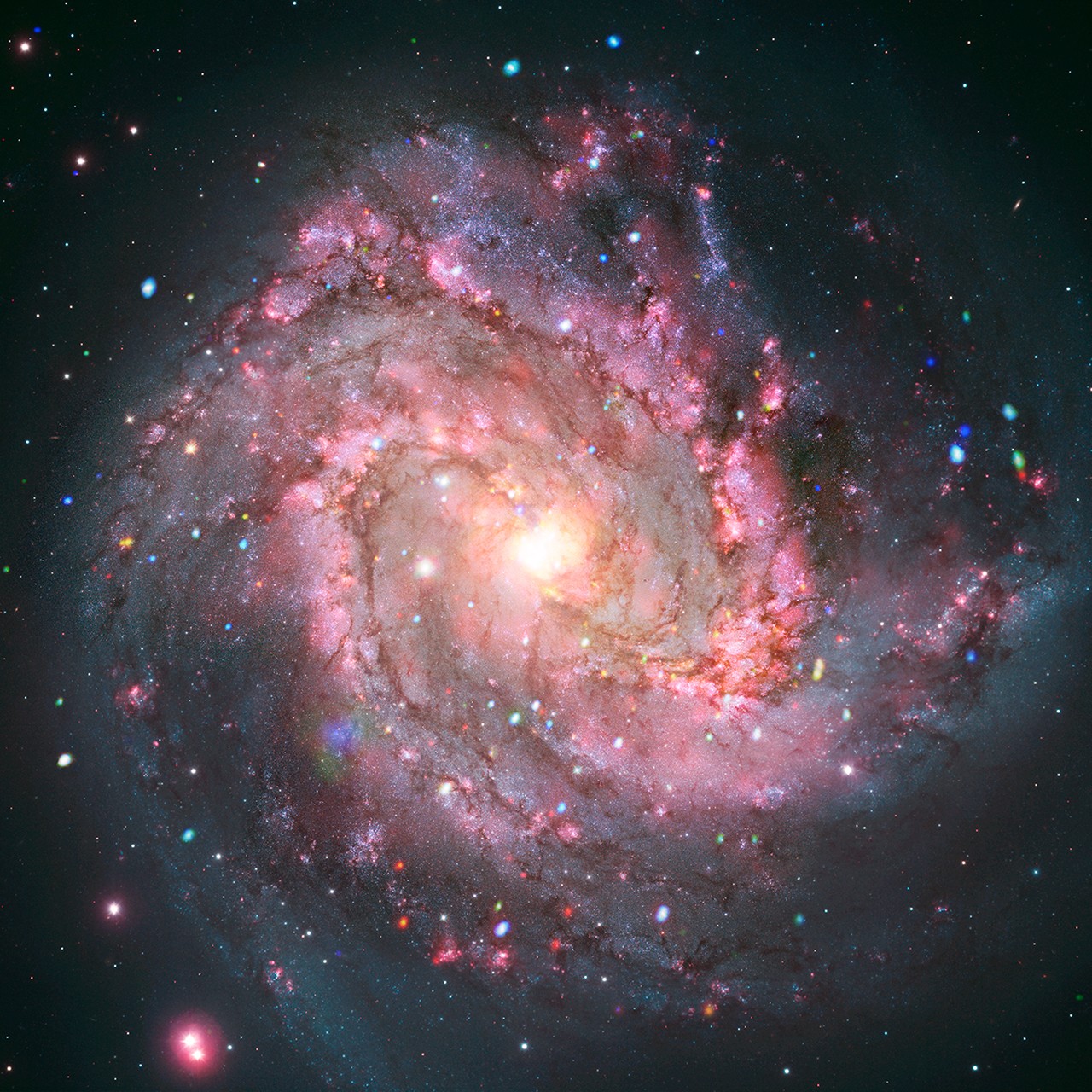
Chandra's 14-year study of M83 found supernova remnants behaving like fireworks, with half showing dramatic brightness changes, unexpected for slowly fading debris.
From black hole time travel to early Alzheimer's detection, today's pieces push boundaries.
A Scientific American piece explores whether black holes could enable backward time travel via closed timelike curves, mixing theory with a thought experiment.
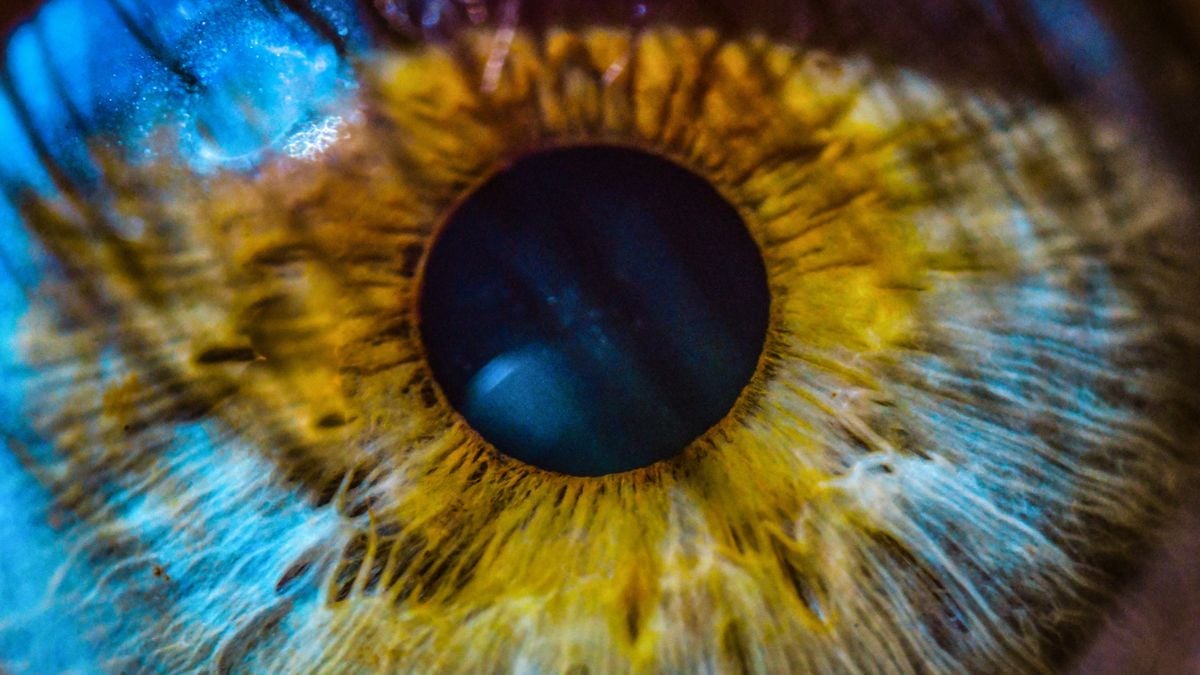
Retinal imaging may predict Alzheimer's risk years before symptoms, offering a non-invasive early detection tool based on the retina's connection to brain tissue.
Hallmarks of cancer—Then and now, and beyondwww.cell.com
This review by Douglas Hanahan revisits the "hallmarks of cancer" framework originally conceived with Bob Weinberg 25 years ago. It synthesizes decades of conceptual refinement into a multidimensional view of tumor biology, highlighting how aberrant capabilities, enabling traits,
Science without borders: the lasting legacy of Marie Skłodowska-Curielink.europa.eu
This article celebrates the enduring legacy of Marie Skłodowska-Curie, nearly a century after her death. It highlights her groundbreaking discoveries in radioactivity, which transformed both medicine and physics, and her remarkable achievements as the first woman to win a Nobel P
Why we should all take quantum physics extremely personallywww.newscientist.com
Karmela Padavic-Callaghan recounts a life-threatening health crisis from a tooth infection that landed her in the ICU, and how she turned to quantum physics to find meaning and answers about existence, chance, and personal responsibility. The article argues that physics, often se
Resources on the Proposed OMB Federal Grants Rulewww.aibs.org
The American Institute of Biological Sciences (AIBS) has partnered with the American Physical Society (APS) to launch a commenting campaign regarding a proposed OMB rule on federal financial assistance. The campaign aims to make it easy for the scientific community to engage with
MIT develops spatial long-term memory framework for AI robotswww.heise.de
MIT scientists have developed a spatial long-term memory framework for AI-powered robots that combines computer vision and robotic mapping techniques. This framework enables robots to remember objects and their locations within environments by linking multimodal computer vision m
Ghost of long-extinct ancestor lives on in people todaydoi.org
A new study published in Nature reveals that researchers have successfully extracted and analyzed proteins from the enamel of six Homo erectus teeth found in China, dating back at least 400,000 years. Using a minimally destructive method, the team identified protein variants that
Learning User Simulators with Turing Rewardsarxiv.org
This paper introduces Turing-RL, a novel reinforcement learning approach for training user simulator models that can mimic human users in interactive settings. Unlike existing methods that train LLMs to match a single ground truth response using log probability or similarity rewa
Agricultural and Environmental Modelling Welcomes Subject Editor Applicationsaem.pensoft.net
The open-access Agricultural and Environmental Modelling (AEM) journal, whose mission is to make modelling research objects citable, discoverable, and reusable, is seeking Subject Editors in fields including Agriculture, Food Systems, Ecological Systems, Bioeconomy, Social-Ecolog

trade roundup
immigration roundup
geopolitics roundup
film industry roundup