

























#01www.rollingstone.comJul 16
Hegseth Wants to Use Your Taxes to Screen for Low-T Troops0
Defense Secretary Hegseth's plan to screen troops over 30 for low testosterone is framed as a readiness issue, but critics question its necessity and cost.
healthThursday, July 16, 2026
Today's health coverage is a mix of policy-driven controversy and personal resilience. The Pentagon's low-testosterone screening initiative is drawing ideological fire, while new research offers hope for Huntington's disease and a clearer picture of how sedentary behavior and diet shape long-term health.
The Pentagon's plan to screen troops for low testosterone is being framed as a matter of military readiness, but critics see deeper cultural and political roots.
Defense Secretary Hegseth's plan to screen troops over 30 for low testosterone is framed as a readiness issue, but critics question its necessity and cost.

Mother Jones traces the ideological roots of Hegseth's fixation to the manosphere and Christian nationalism, arguing it's about masculinity as much as medicine.
Two studies offer contrasting angles on disease: one tracks the long, silent progression of Huntington's, while another shows how prolonged sitting raises cancer risk.

A new understanding of Huntington's disease, that the mutant protein is present from birth but takes decades to cause symptoms, opens a potential therapeutic window.
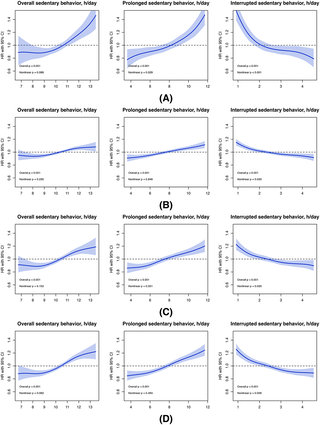
A large UK Biobank study using accelerometry finds that prolonged, uninterrupted sitting is linked to higher cancer incidence and mortality, even after adjusting for total sedentary time.
From cortisol routines to the Mediterranean diet, today's wellness coverage focuses on daily habits with measurable long-term effects.

Vogue covers the morning cortisol craze with practical tips, reflecting a broader cultural obsession with managing stress through routine and supplements.

A longitudinal study of adults over 50 shows that sticking to a Mediterranean diet directly predicts higher psychological well-being, including purpose and life satisfaction.
 “The Most Surprising Twist of My Life”: Savannah Miller on Pregnancy at 47www.vogue.com
 Sleep doctor reveals the brutal health downside of daylight saving timewww.foxnews.com
 Seductions of the Transparent Body: X-Rays, A.I. Body Scans, and Cancernursingclio.org
 The Nordstrom Anniversary Sale Is the Best Time to Buy a Designer Bagwww.elle.com
 How Do Air Purifiers Work? (And Do You Really Need One?)www.popularmechanics.com
All About Julia Garner’s Estranged Husband, Mark Fosterwww.elle.com
"Ozark" actress Julia Garner and musician Mark Foster, who leads the Grammy-nominated band Foster the People, were married for over six years before separating. Get to know him and their history.
Cardiologists Reveal 5 Things They Do Every Day To Protect Their Heartswww.newsweek.com
Cardiologists share five daily habits they personally follow to protect their heart health, including staying hydrated, owning a dog, eating dark chocolate, taking the stairs, and practicing stress management. The article emphasizes that while genetics and age are uncontrollable
New PROMISE Data Spark Conversation Over QPA’s Added Value to CACwww.tctmd.com
New data presented at the 2026 Society of Cardiovascular Computed Tomography meeting shows that more than one in 10 patients with zero coronary artery calcium (CAC) score still have noncalcified plaque detected by coronary CT angiography (CCTA) with quantitative plaque assessment
This national population-based cohort study examined whether epidural analgesia during labour is associated with neonatal neurological morbidity, other neonatal morbidity, neonatal sepsis, low Apgar score, neonatal mortality, and childhood cerebral palsy. Analyzing data from 495,
Are GLP-1 Receptor Agonists Safe for the Eyes?mdsc.pe
This article reports on a symposium at the American Diabetes Association 86th Scientific Sessions examining the ocular safety of GLP-1 receptor agonists, particularly semaglutide. It discusses the UK Medicines and Healthcare products Regulatory Agency's February 2026 drug safety
AI Saved Me — Learn what people have figured out using AIwww.aisavedme.org
A collection of real-life stories showing how everyday people (not companies) have used AI to make profound, life-changing differences — from designing a personalized mRNA cancer vaccine for a dog, to catching a serious health condition early through AI-prompted screenings. The a
Scientists Have Identified a Key Driver of Age-Related Cognitive Declinescitechdaily.com
Researchers have identified a molecular change in the cells lining the blood-brain barrier that may explain why cognitive function declines with age. A newly identified protein pathway links blood-brain barrier deterioration to age-related cognitive decline. In preclinical models


 space exploration roundup
 medical research roundup
 geopolitics roundup
 inspiration roundup
 ethics roundup
 economics roundup