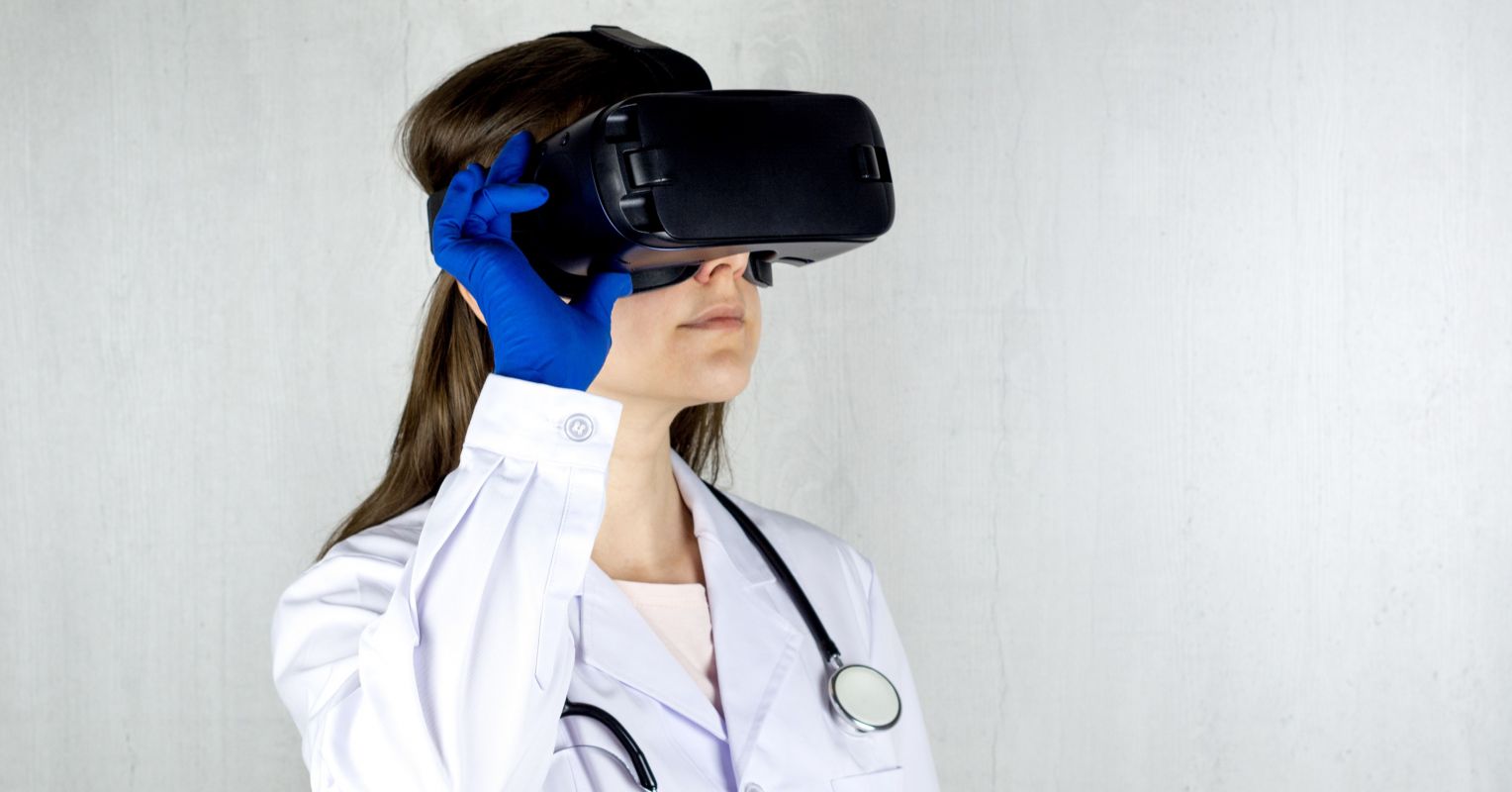
Psychology Today argues that AI in healthcare doesn't just inherit human bias, it amplifies it at scale, threatening to worsen outcomes for women and other minoritized groups.
healthTuesday, July 7, 2026
hype, harm, and hope
Today's coverage is a tug-of-war between AI's promise and its peril. One piece warns that AI tools could entrench healthcare inequality for minoritized groups. Another asks if AI is ready to handle prescription refills. But there's also a real win: a Stanford retinal implant helping blind people read again.
AI's double edge
Two articles this morning capture the tension between AI's potential and its pitfalls in healthcare.
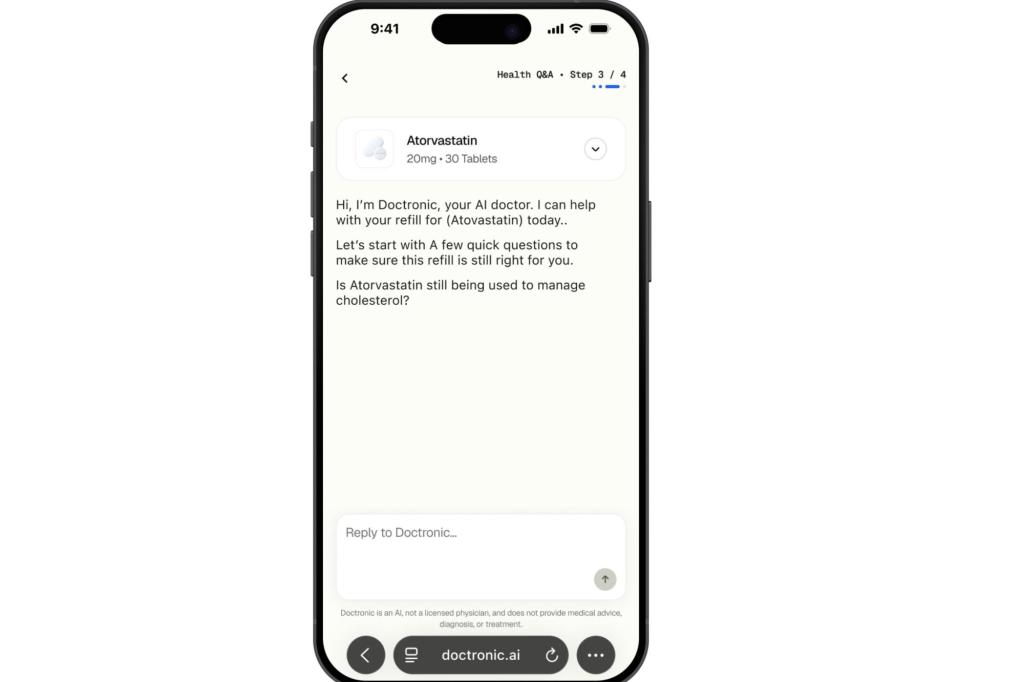
Utah's Doctronic program lets an AI chatbot refill prescriptions without a doctor. Doctors and regulators are pushing back, questioning whether the tech is ready for that responsibility.
Breakthroughs and costs
Meanwhile, real progress in vision restoration and a hard look at drug pricing show the spectrum of innovation.
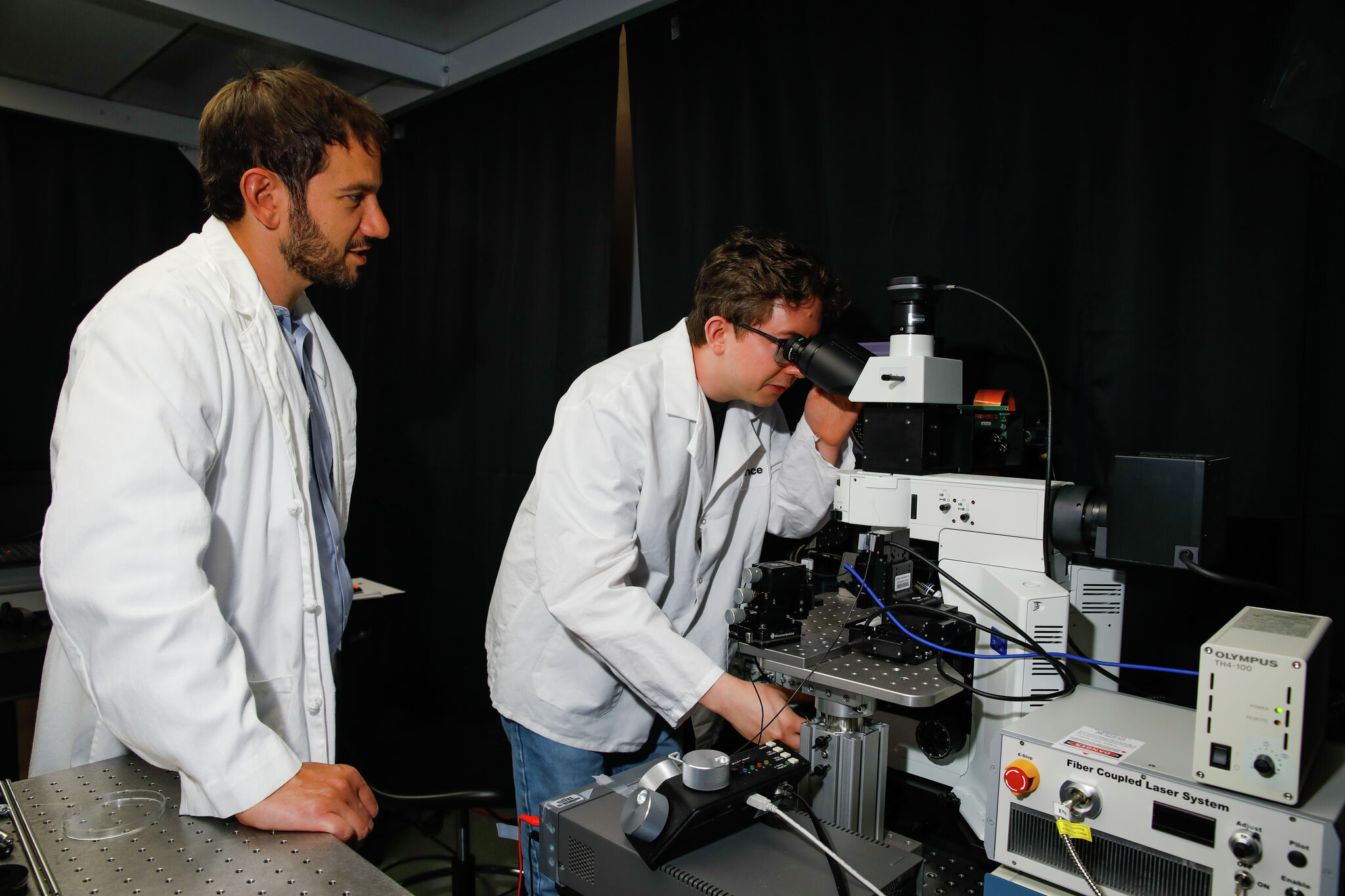
The PRIMA retinal implant, developed at Stanford, is restoring functional vision in blind patients with macular degeneration, enough to read, recognize faces, and paint.
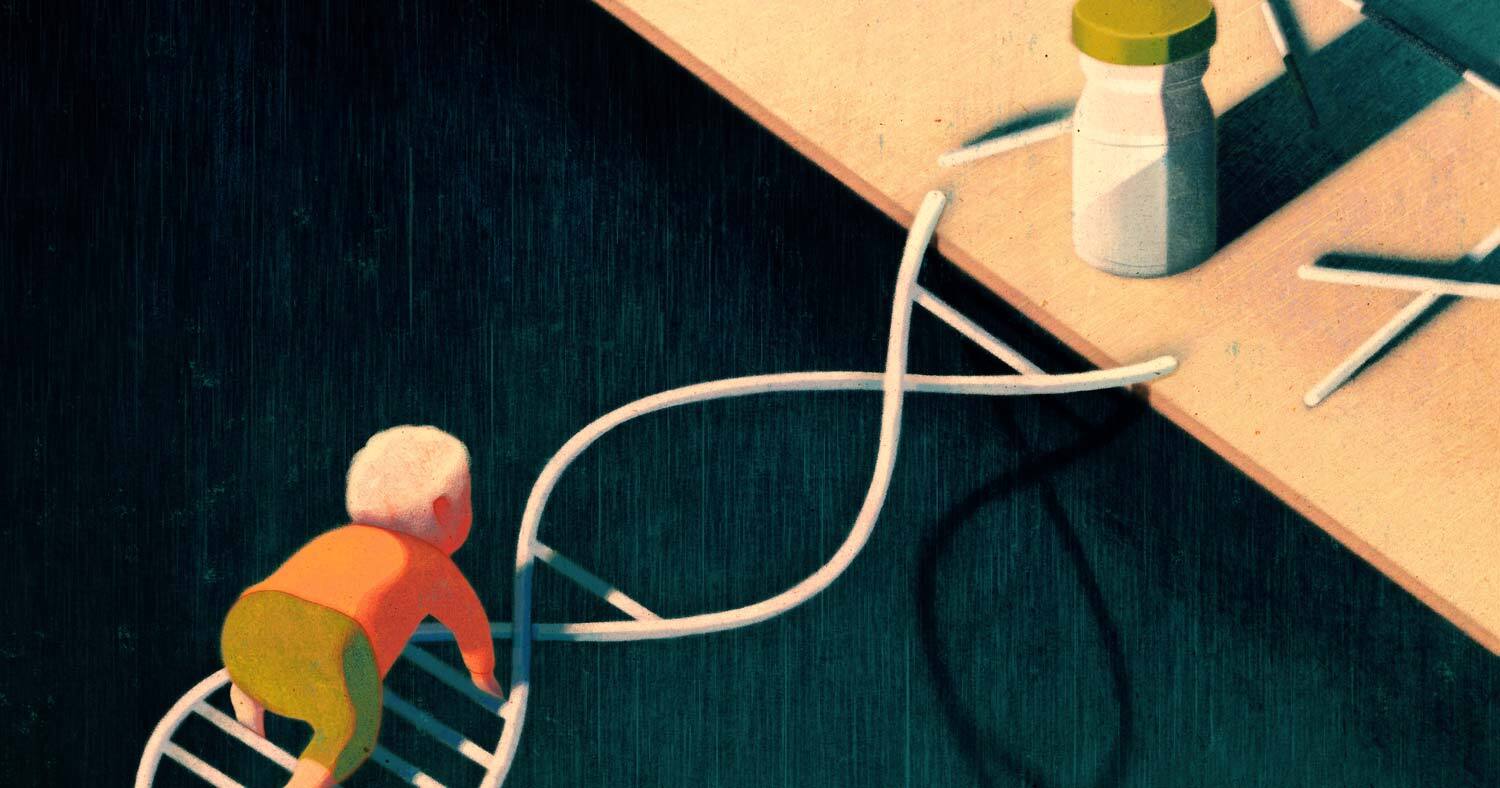
ProPublica traces Zolgensma's $2 million price tag back to taxpayer-funded research and charitable donations, challenging pharma's justification for high drug costs.
Also today6
Immigration policy changes could worsen the care worker shortage and raise costs for families, experts saywww.cnbc.com
The Elders: Why Your Thoughts Are Not Youwww.crystalwind.ca
Sephora Introduces ‘Quiet Hours’ At Stores Worldwidewww.disabilityscoop.com
Brain-computer interface trials are taking offwww.technologyreview.com
Venezuela earthquakes death toll jumps to more than 3,500www.aljazeera.com
Potential measles exposure at 3 healthcare centres at the end of June: Toronto Public Healthwww.cbc.ca
More roundups that day
GitHub's secret scanning hits inbox zero
Galaxy Watch problems and creative reflections