Hilary Stephenson makes the case that accessibility isn't a nice-to-have but a legal obligation, especially for public sector digital products. The 20% exclusion stat is a stark reminder of what's at stake.
designWednesday, June 17, 2026
Human-centred design takes center stage
Today's design coverage leans into the human side of things: accessibility as a legal necessity, homes adapting to modern pressures, and a phone designed to break addiction. The thread is less about aesthetics and more about how design shapes behavior and access.
The Commodore Callback flip phone is a deliberate design choice for digital minimalism, a speed bump for the mind, as the piece puts it. It's less about nostalgia and more about intentional constraint.
A collaborative series from Architectural Digest and WIRED asks what homes need to be in an era of climate change and tech saturation. It's a broad look at how external forces reshape interior design priorities.
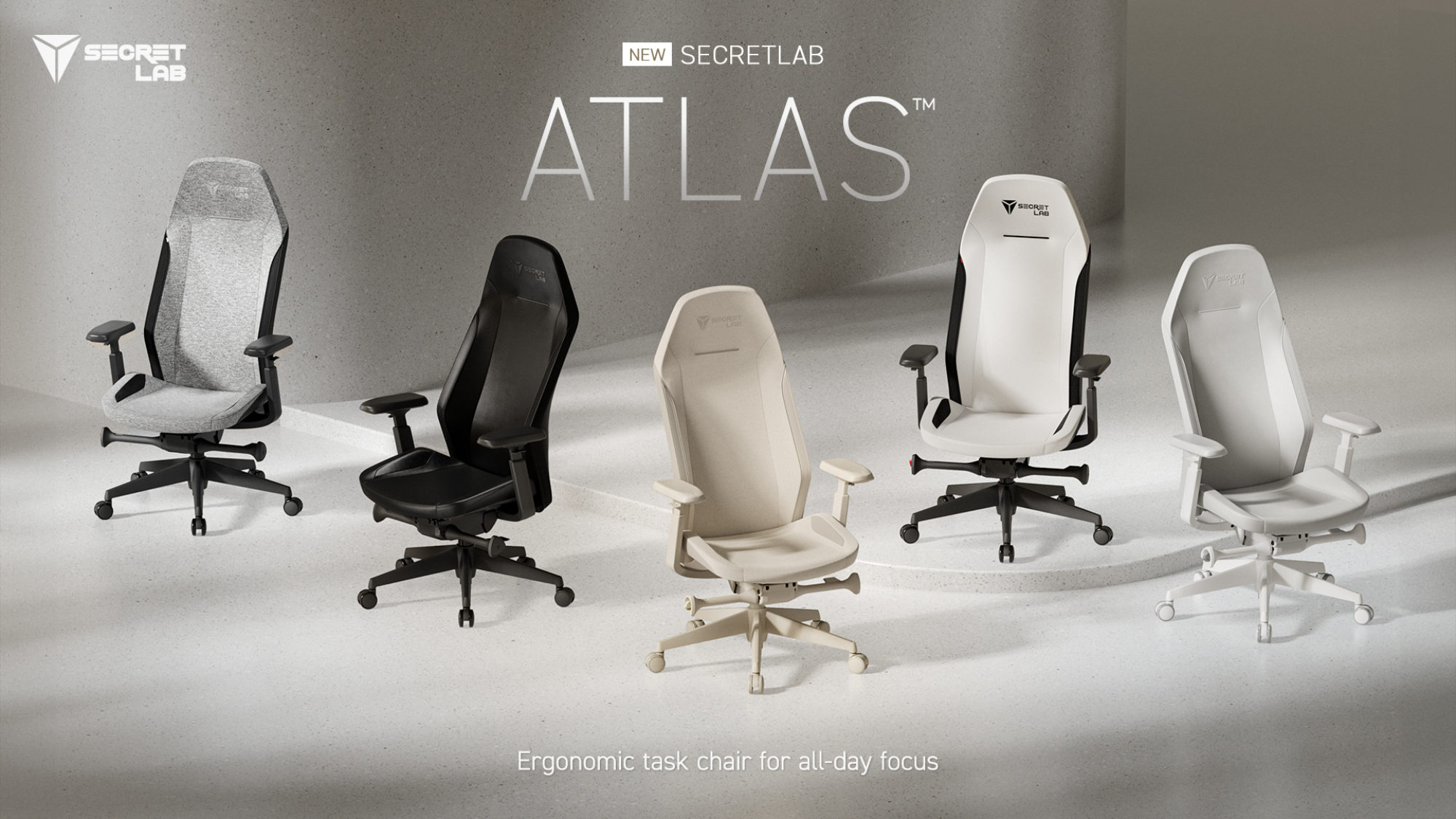
Secretlab's Atlas marks a pivot from gaming chairs to productivity-focused ergonomics. The design cues come from productivity techniques, not just lumbar support specs.

Genesis AI's Eno robot rejects the humanoid form in favor of function, no head, no legs, just a wheeled base that folds like a deck chair. It's a design philosophy that prioritizes capability over mimicry.
Also today1
More roundups that day
ai regulation roundupAnthropic export ban reshapes AI regulation
security roundupFIFA World Cup stream keys exposed in critical bug
open source roundupAndroid verification rule alarms open source community

environment roundupxAI's illegal power plant dominates environment news
legal roundupMusk-OpenAI trial wraps, xAI faces pollution suits

geopolitics roundup