
























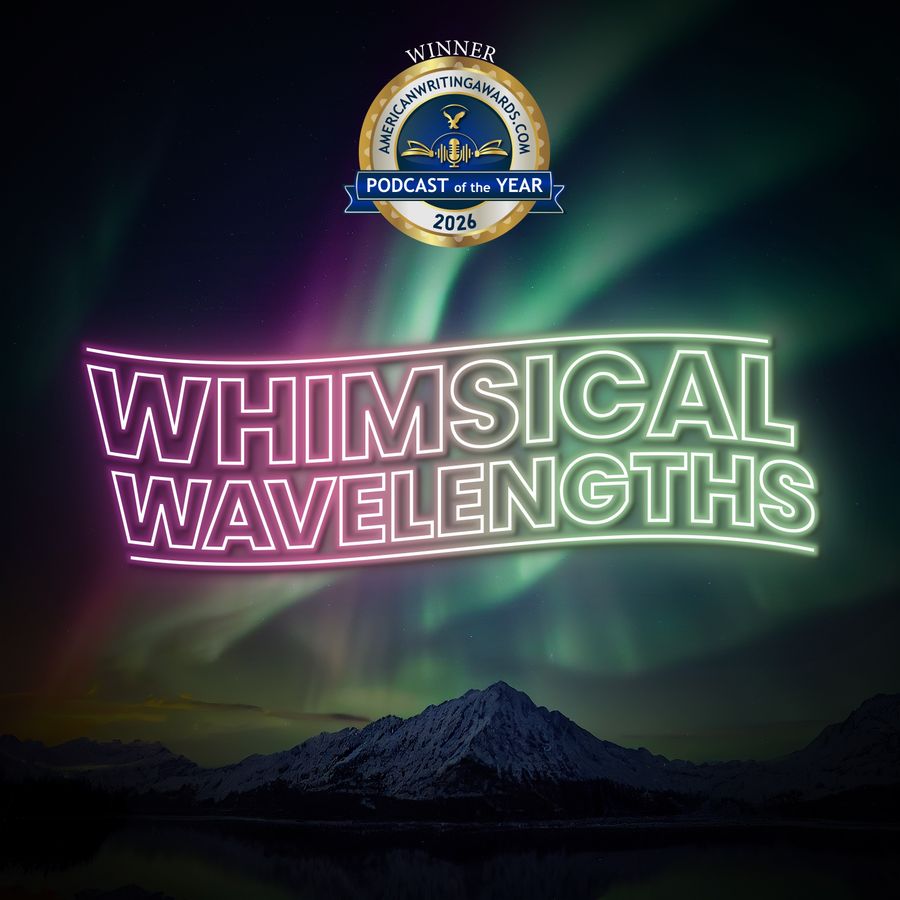
Whimsical Wavelengths: How War, Policy, and Funding Shape Modern Science — A Podcast Discussion
Summary
This podcast episode (Whimsical Wavelengths, Season 2) examines the modern scientific apparatus — its institutions, funding models, and historical policy shifts. Host Dr. Jeffrey Zurek is joined by Dr. Ina Ganguli (economics professor) and Dr. Chris Fisher (chemical biologist) to discuss how WWII mobilization created a golden age of foundational research, the social contract between researchers and the state, the Bush-Kilgore debate on scientific autonomy vs. geographic equity, the 1980 Bayh-Dole Act's commercialization of public research, and the fragility of scientific talent pipelines dependent on immigration and state funding. The episode also covers how geopolitical shocks can rapidly dismantle scientific communities, drawing on evidence from former Soviet republics.
Source
 bskyWhimsical Wavelengths: How War, Policy, and Funding Shape Modern Science — A Podcast Discussionrss.com
Key quotes
· 4 pulledThe countdown to the end of season 2 continues. With only two new episodes left before our summer encore presentations, we are turning the lens back on ourselves to examine the modern scientific apparatus itself.
Together, we map out how wartime mobilization birthed a golden age of foundational research, explore the delicate social contract between researchers and the state.
Dr. Ganguly shares field evidence from former Soviet republics, illustrating how quickly world-class scientific communities can be demolished by sudden geopolitical shocks.
This episode serves as an evaluation of the systemic hazards facing institutional autonomy, historical talent immigration pipelines, and the socio-economic determinants that dictate who gets to participate in science.
You might also wanna read


Science Podcast Preview: Trump-era policy changes, color vision protein structure, and Georgina Ferry interview
This is a podcast episode preview from Science magazine. The show covers three main topics: (1) changes to U.S. science policy under the Tru
 scim.ag·6d ago
The Faint Glow of Life: How Biophotonics Could Transform Our Understanding of Health and Disease
A biophysicist recounts their journey into the emerging field of biophotonics — the study of ultra-weak photon emissions from living cells.
 popularmechanics.com·3d ago
Exposing Credibility Issues Among Popular Science Communicators: Eric Weinstein, Sabine Hossenfelder, and Suppression of Scientific Critique
This article exposes a credibility crisis among popular science communicators, detailing how Eric Weinstein allegedly attempted to suppress
 timothynguyen.org·10mo ago
American Science Faces Brain Drain as Funding Cuts Drive Researchers Abroad
The article examines the brain drain in American science following Donald Trump's return to the presidency in 2025, focusing on how slashed
 theguardian.com·4mo ago
Proposed US funding rules would let political appointees override peer review and cancel grants at will
The article discusses proposed changes to US government grant funding rules under the Trump administration, which would shift decision-makin
 arstechnica.com·1mo ago
Proposed US funding rules would let political appointees override peer review and cancel grants at will
The article discusses proposed changes to US government grant funding rules under the Trump administration, which would shift decision-makin
arstechnica.com·1mo ago
Welcome! You are invited to join a webinar: Science Votes the Future: Science in Democracy: How to Engage Candidates with Science and Evidence. After registering, you will receive a confirmation email about joining the webinar.
 agu.zoom.us·3d ago
Comments
Sign in to join the conversation.
No comments yet. Be the first.